

From Humors to MRIs: A Look at the Evolution of Understanding Memory Problems
Ah, the good old days when diagnosing memory issues was as straightforward as blaming the stars, your moral fiber, or the imbalance of your bodily humors! Let’s take a whimsical look back at how our ancestors tackled the mysterious realm of memory complaints before modern science took the wheel:
- Focus on Symptoms, Not Root Causes
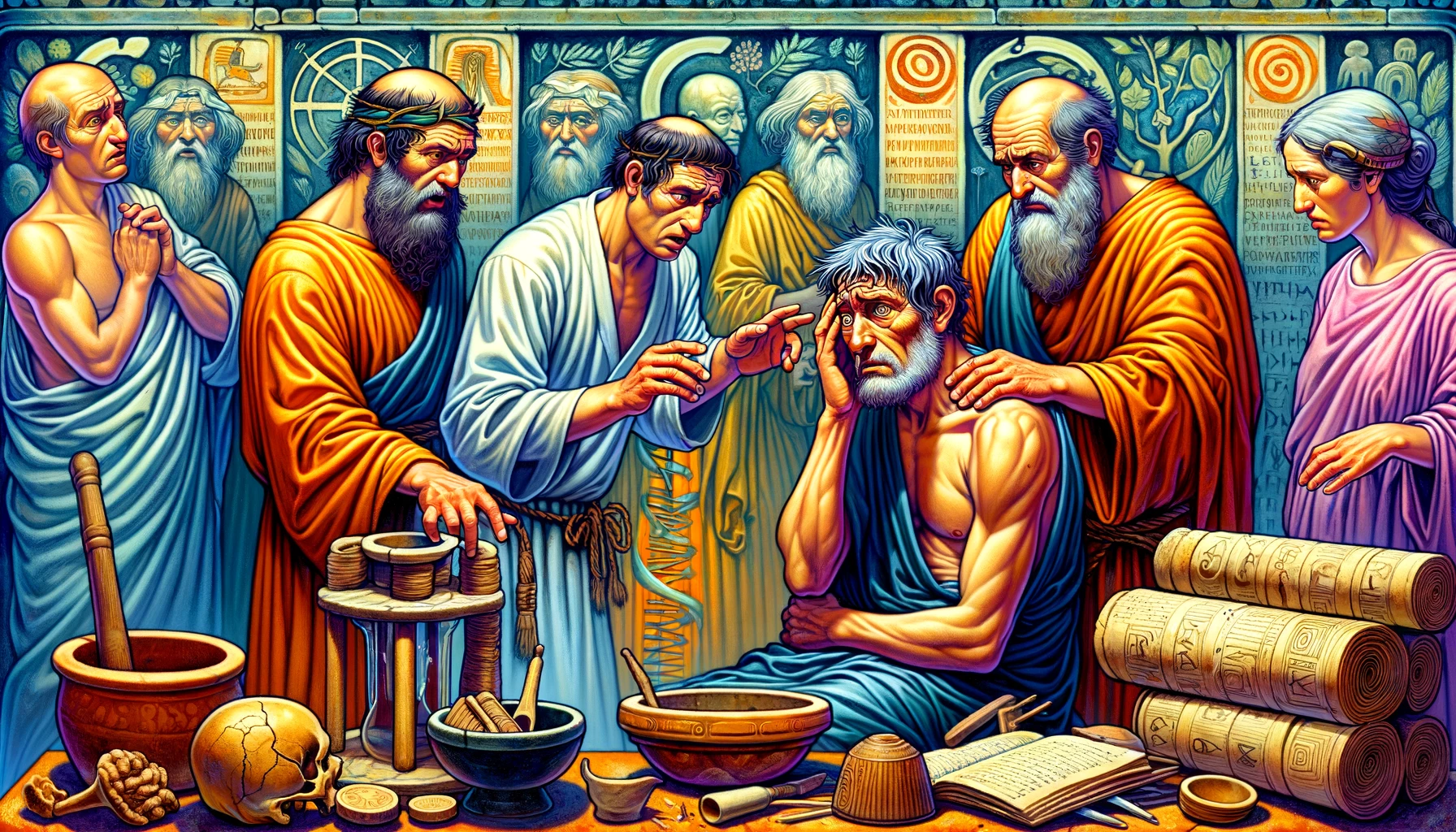
Back in the day, if you forgot where you left your sandals or why you walked into a room, the local healer might just whip up a concoction of herbs that tasted suspiciously like your front lawn. Treatments were less “let’s do a brain scan” and more “have you tried not thinking about it?” From bloodletting to dancing under a full moon, the remedies were creative, if not entirely effective, in pinpointing the noggin’s nitty-gritty issues.
- Linking Memory Issues to Normal Aging
“Oh, Grandpa’s just getting old” was a common explanation for why he kept calling the cat by your uncle’s name. Memory decline was as expected with aging as graying hair or the mysterious disappearance of one’s waistline. The term “senility” was thrown around like confetti, covering everything from misplacing keys to forgetting decades.
- Emphasis on Morality & Character
Forget where you put your quill or spell someone’s name wrong? Clearly, it was due to your lackadaisical morals or that time you didn’t share your bread with the birds. In ye olden days, a lapse in memory might earn you a reputation for being a scoundrel or, at the very least, someone who didn’t pay enough attention during Sunday sermons.
- Limited Diagnostic Tools
Before the era of brain imaging, diagnosing memory issues was a mix of guesswork, family gossip, and how convincingly you could recount your last meal. Doctors had to rely on tales and observations, often leading to diagnoses that ranged from “just a tad forgetful” to “might be a witch.”
How Has the Approach to Memory Problems Changed?
Today, we understand that Alzheimer’s and other dementias aren’t due to a lack of moral fiber or too many birthday candles. We focus on early signs, advocating for brain health before you start using your oven to store books. Modern medicine looks at the whole picture—genes, lifestyle, and whether you really need that extra serving of pudding.
Important Notes:
While it’s easy to chuckle at the past’s peculiar practices, it’s important to remember they were doing the best with what they had, much like we’re trying to do now, albeit with fewer leeches and more MRIs. The journey of understanding memory and cognitive health continues, as we learn more each day, hopefully leading to a future where memory care involves less guesswork and more precise, compassionate approaches.
In conclusion, while we’ve come a long way from attributing memory loss to character flaws or an imbalance of humors, the journey toward fully understanding the brain’s mysteries continues. So, next time you forget why you walked into a room, take solace in knowing that at least you won’t be prescribed a week of leech therapy!