
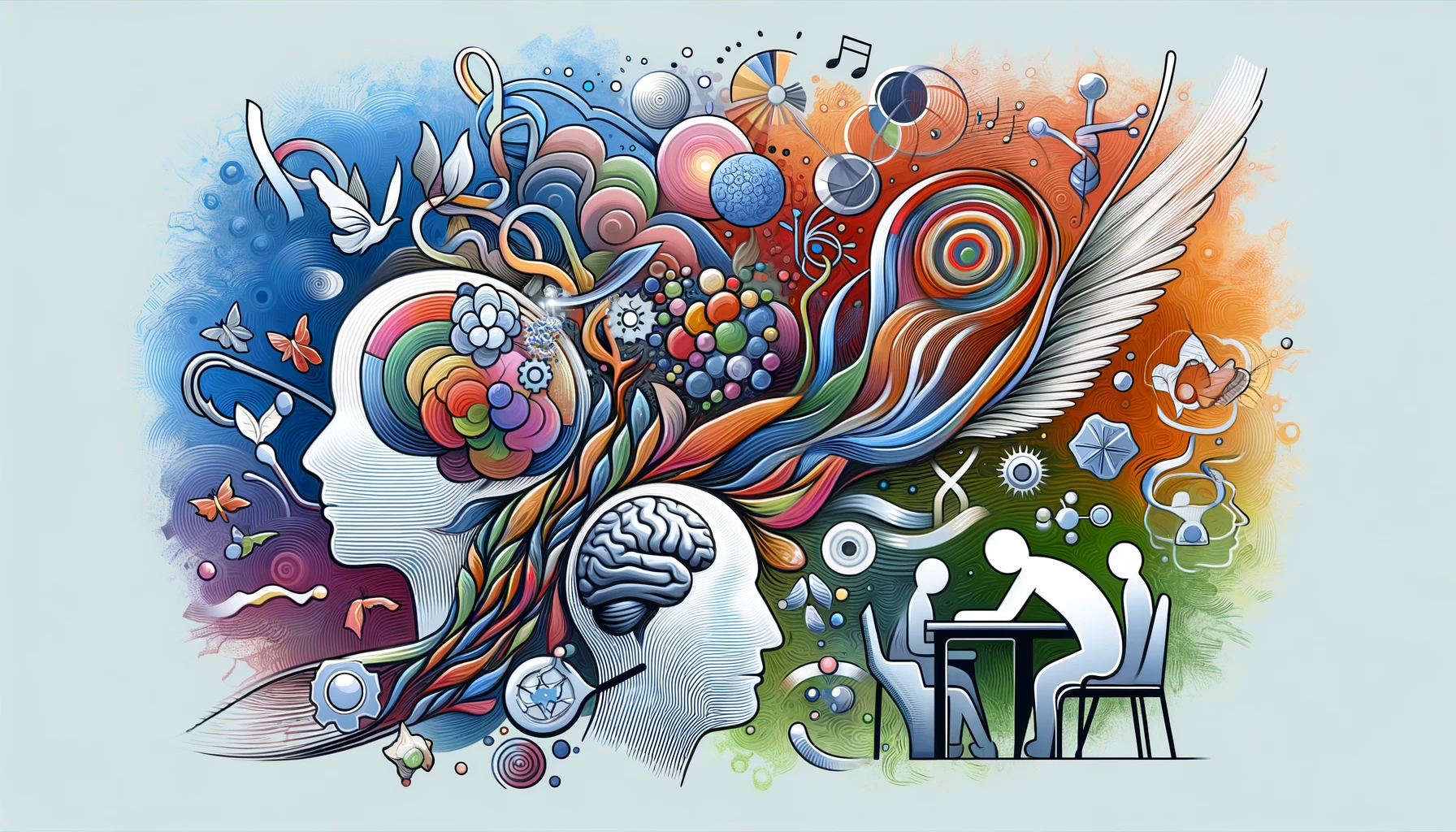
Dementia: Not Just Alzheimer’s
While Alzheimer’s disease is the most recognized form of dementia, it’s crucial to understand that dementia is an umbrella term encompassing a range of neurological conditions affecting memory, thinking, and social abilities severely enough to interfere with daily functioning. Besides Alzheimer’s, several other forms of dementia also pose significant challenges and impact the lives of millions globally.
Vascular Dementia: The Stroke Connection
Vascular dementia, ranking as the second most prevalent form of dementia, arises from brain damage due to impaired blood flow, often resulting from strokes. These cerebrovascular events lead to blockages in the brain’s blood vessels, hindering the vital flow of oxygen and nutrients. The ensuing damage manifests as memory loss, confusion, and difficulties with reasoning and judgment, mirroring symptoms seen in Alzheimer’s but with distinct underlying causes. Recognizing and managing risk factors for stroke, such as hypertension and heart disease, is pivotal in preventing or slowing the progression of vascular dementia.
Lewy Body Dementia: The Intruder of Protein Deposits
Lewy body dementia encapsulates two related conditions: Parkinson’s disease dementia and dementia with Lewy bodies. Characterized by abnormal protein deposits known as Lewy bodies within brain cells, this form of dementia disrupts normal brain function, leading to a decline in thinking, reasoning, and independent function. Symptoms often encompass visual hallucinations, movement disorders, and cognitive fluctuations, presenting a complex challenge for patients and caregivers alike.
Frontotemporal Dementia: The Erosion of Personality and Language
Frontotemporal dementia, stemming from degeneration in the brain’s frontal and/or temporal lobes, is notable for its impact on personality, behavior, and language. Unlike Alzheimer’s, which typically begins with memory loss, frontotemporal dementia often manifests as changes in behavior, personality, and language skills. This form of dementia arises from various disorders causing progressive nerve cell loss, leading to the lobes’ atrophy. As the disease progresses, it can profoundly affect an individual’s ability to communicate and maintain social relationships, challenging those affected and their loved ones to adapt to new ways of connecting and understanding.
Recognizing the Spectrum
Understanding the diverse landscape of dementia is crucial for diagnosis, treatment, and support. While Alzheimer’s may be the most recognized face of dementia, acknowledging the spectrum of conditions under the dementia umbrella enables better care, targeted interventions, and more personalized support for those affected. By recognizing the unique aspects of each type of dementia, caregivers, families, and healthcare providers can offer more nuanced and effective care, improving the quality of life for those navigating these challenging conditions.