Cannabis and the Brain: What We Know

Cannabis is the most widely used illicit drug in the world, and it is legal for adult or medical use in many places. Its active compounds, especially delta-9-tetrahydrocannabinol and cannabidiol, interact with the brain's own cannabinoid system.
How it works
The brain produces endocannabinoids such as anandamide that act on CB1 receptors, which are abundant in the hippocampus, cerebellum, basal ganglia and prefrontal cortex. Delta-9-tetrahydrocannabinol is the main psychoactive compound, and activates CB1 receptors, causing euphoria, altered perception, increased appetite and impaired memory and coordination. Cannabidiol does not produce a high, and has different actions. Modern cannabis products are much more potent than those of past decades, and concentrates can contain very high levels.
Short-term effects
- Impaired short-term memory, attention and reaction time
- Distorted time and perception
- Anxiety or paranoia in some users, especially at high doses
- Increased heart rate
- Impaired driving, which raises crash risk
- Cannabis hyperemesis syndrome, which involves cyclic vomiting in heavy users
Long-term and developmental effects
- Cannabis use disorder: about 1 in 10 users overall, and about 1 in 6 among those who start in adolescence, develop dependence, based on estimates from the National Institute on Drug Abuse. Withdrawal includes irritability, sleep problems and cravings.
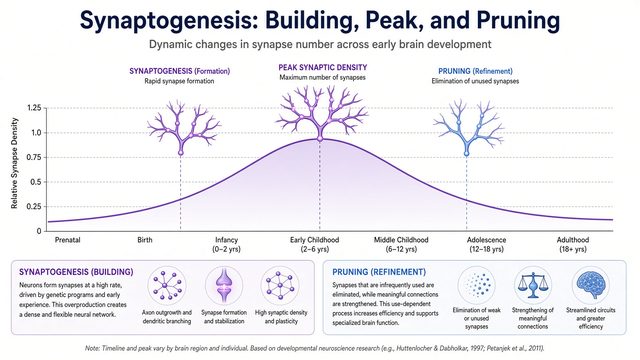
- Adolescent brain: early, heavy use is associated with poorer memory, lower educational attainment and possible changes in brain structure, although the role of cause versus shared risk factors is still debated. A long-term study in New Zealand by Madeline Meier and colleagues reported IQ decline in persistent adolescent-onset users, though subsequent analyses have challenged the interpretation.
- Mental health: heavy use, particularly of high-potency cannabis and in adolescence, is associated with higher risk of psychosis and schizophrenia in vulnerable individuals, as shown in work by Marta Di Forti and colleagues. Associations with depression and anxiety exist, though causality is uncertain.
- Pregnancy: exposure may affect fetal development, and use during pregnancy is not recommended.
- Lung effects with smoking
Medical uses
Evidence supports cannabidiol for certain severe epilepsies, such as Dravet and Lennox-Gastaut syndromes, with the medication Epidiolex approved by regulators. Cannabinoid medicines can help with chemotherapy-induced nausea and some forms of spasticity in multiple sclerosis. Evidence for chronic pain is modest, and for other conditions limited or mixed. Medical cannabis should be discussed with a clinician.
Reducing risk
- Avoid use in adolescence and pregnancy
- Do not drive under the influence
- Choose lower potency and lower doses, and avoid frequent use
- Avoid synthetic cannabinoids, which can be dangerous
- Be cautious with edibles, which act slowly and can lead to overdosing
- Avoid if you have a personal or family history of psychosis
- Seek help if you cannot cut down; treatments such as cognitive behavioral therapy and motivational enhancement work
Older adults and cannabis
Use among older adults is rising, and risks include falls, drug interactions, confusion and impaired driving. Anyone taking medications should speak with a clinician before using cannabis products, including those labeled as wellness items.
Legal status and labeling
Laws vary by place and are changing quickly. Product potency and purity are not always accurately labeled, and the quality of unregulated products is uncertain, which makes the dose hard to predict.
Takeaway
Cannabis is not harmless, and risks rise with early, frequent and high-potency use. Know the facts and make informed choices.
Further reading from authoritative sources
This article is educational and does not replace advice from a licensed clinician. See the medical disclaimer. Looking for specialist care? Browse the neurology clinic directory.