
Frontier Research
The Future of Neuroscience: Trends to Watch
From brain atlases and AI to gene therapy and neurotechnology, here are the major trends shaping neuroscience, with realistic expectations about what they may deliver.
Consciousness, creativity, decision-making, morality and the ethics of neurotechnology sit at the edge of what science can currently explain. These articles tour the big questions and the practical dilemmas that come with them.
From brain atlases and AI to gene therapy and neurotechnology, here are the major trends shaping neuroscience, with realistic expectations about what they may deliver.

Brain organoids are tiny 3D tissues grown from stem cells that mimic early brain development. Learn how they are made, what they have taught scientists and the ethical questions.

Brain organoids model human neural development but differ from real brains in important ways. Learn what conclusions they support, where they mislead, and how scientists validate them.
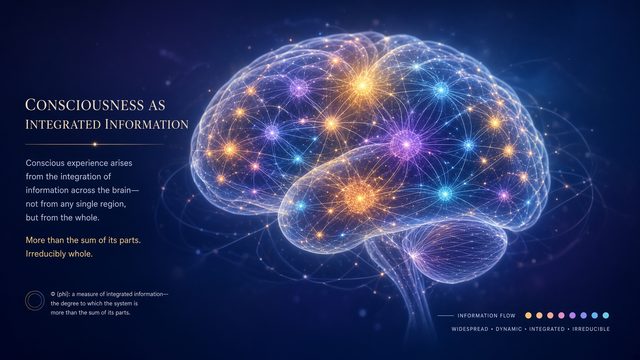
What is consciousness and how does the brain produce it? A clear tour of global workspace, integrated information, higher-order and predictive theories, and what experiments show.
The hard problem asks why physical brain processes feel like anything. Learn what David Chalmers meant, the main philosophical positions, and how scientists approach it.
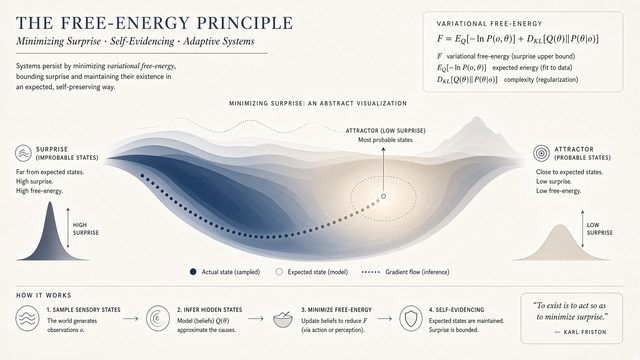
Does neuroscience disprove free will? Explore the Libet experiments, what readiness potentials actually show, and why scientists and philosophers still disagree.
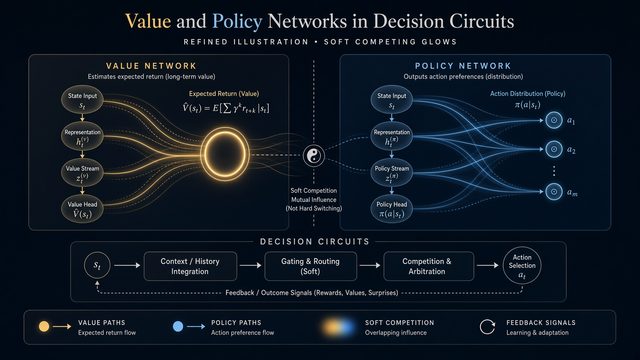
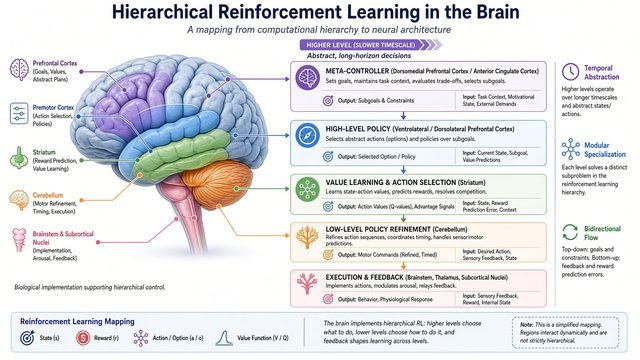
How does the brain weigh options and choose? Learn how the prefrontal cortex, striatum, dopamine and emotion interact, and why we make predictable errors.
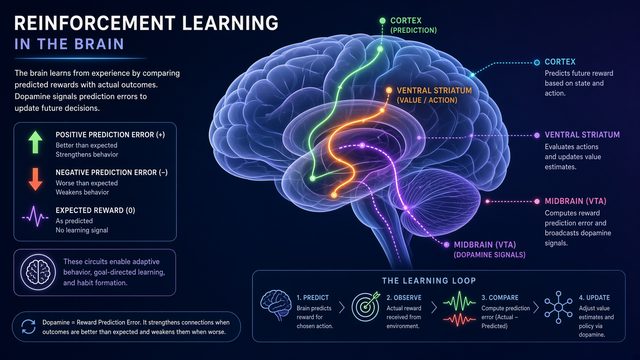
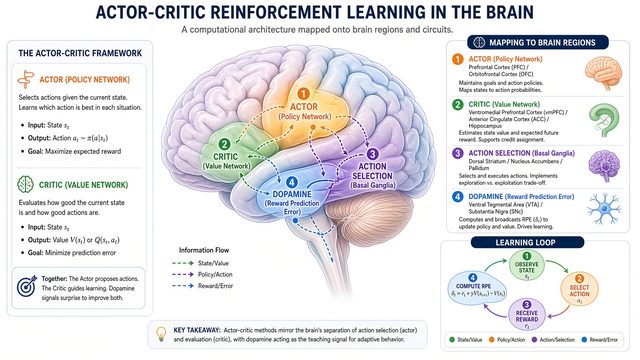
The brain computes value with dopamine, striatum and prefrontal circuits, learning from both rewards and punishments. Learn how this system shapes choices, motivation and addiction.
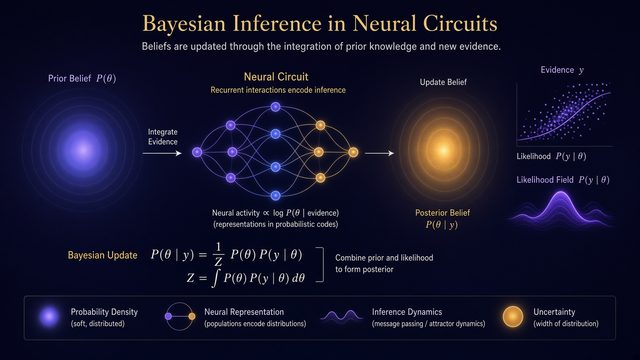
What is intuition? Learn how the brain uses pattern recognition, emotion and prior experience to make fast judgments, when gut feelings are reliable, and when they mislead.
Neuroeconomics studies the brain basis of decisions about money, risk and reward. Learn how value, loss aversion, impulsivity and emotion shape financial behavior, and what it means for everyday choices.
What happens in the brain when we create? Explore the default mode and executive networks, the role of dopamine, myths about right-brain thinking, and ways to nurture creativity.
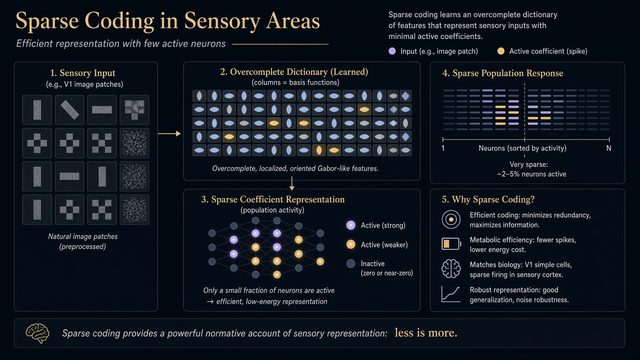
Where do new ideas come from? Learn how default mode, executive and salience networks cooperate in creative thinking, how sleep, mind wandering and environment help, and practical ways to have more ideas.
The sudden flash of insight has a distinct brain signature. Learn how insight differs from analytic problem solving, what happens before and during aha moments, and how to invite them.
Imagination lets us picture past, future and impossible worlds. Learn how the brain simulates scenes, the role of memory, the visual system, individual differences like aphantasia, and ways to build imagination.
How do we sense time passing? Learn about the brain's clocks, time perception, why time seems to speed up with age or drag when bored, and what disorders and drugs reveal.
Humans can relive the past and imagine the future. Learn about episodic memory, future thinking, the brain systems involved, benefits for planning, and how mental time travel can go wrong.
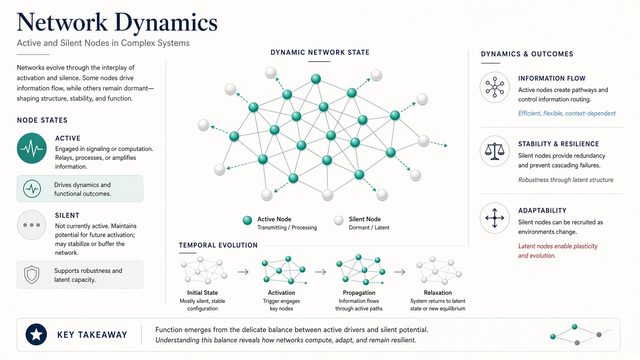
What is the self? Learn how the brain constructs a sense of body ownership, autobiographical identity and narrative, what disorders and illusions reveal, and how identity changes over time.
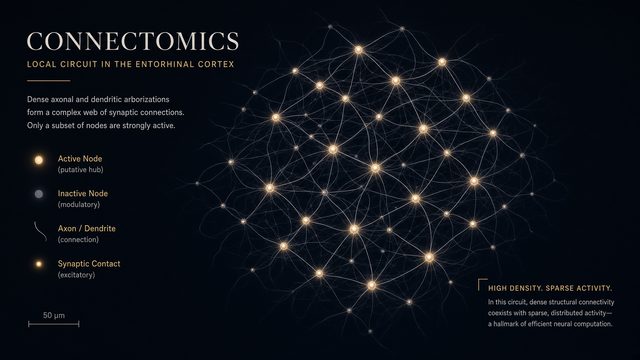
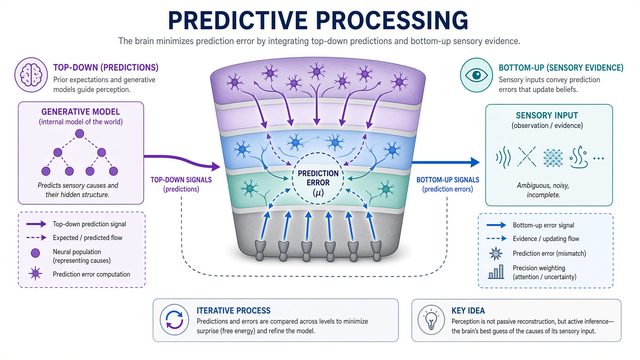
The brain does not passively record the world; it predicts and builds perception. Learn about predictive processing, illusions, filling in, and what this means for how we experience reality.
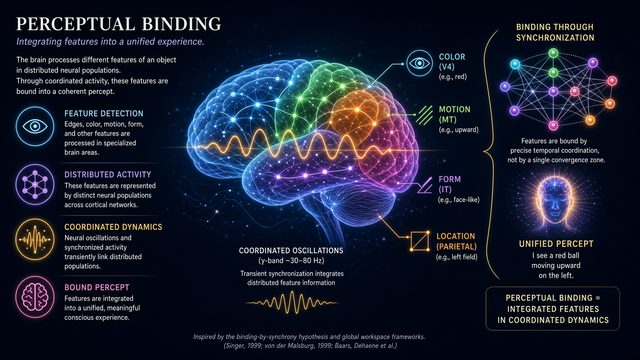
Perception combines the senses with attention, memory and body signals. Learn about multisensory integration, interoception, extra senses like magnetoreception, individual differences and how perception can be trained.
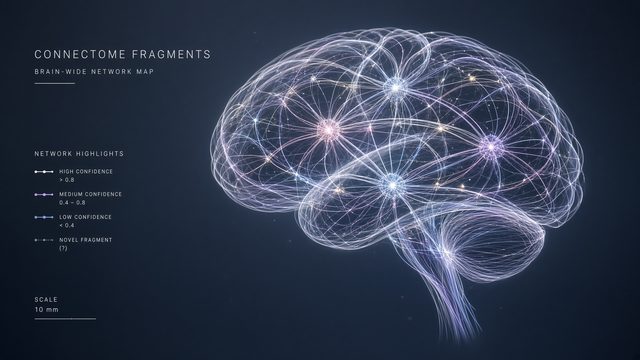
Hallucinations are perceptions without external stimuli. Learn how the brain generates them in psychosis, sensory loss, migraine, Parkinson's, dementia, sleep transitions and healthy people, and when to seek help.
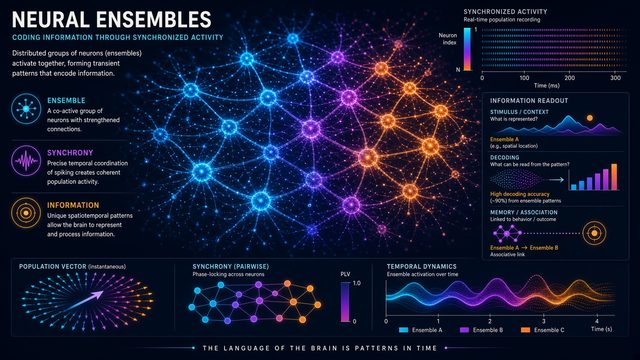
Our brains dislike uncertainty, but must act despite it. Learn how the brain resolves ambiguous information, how tolerance of ambiguity varies, and how to cope with uncertain situations.
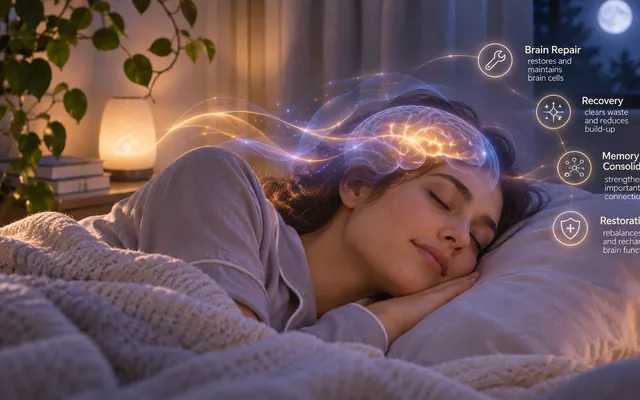
Does language shape thought? Learn what research shows about linguistic relativity, color, space and time concepts across languages, bilingual minds and the limits of language effects.
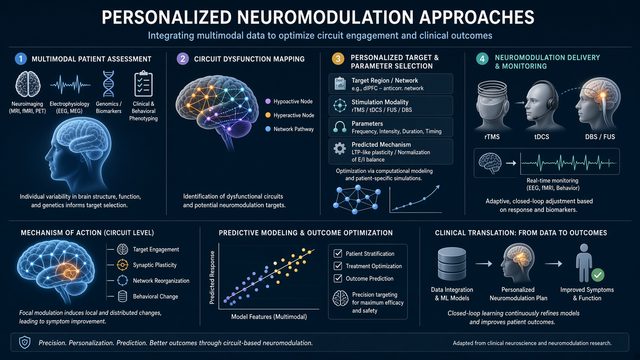
Why do we laugh? Learn how the brain detects incongruity, rewards humor, the social role of laughter, benefits for health and coping, and what happens when humor processing is disrupted.
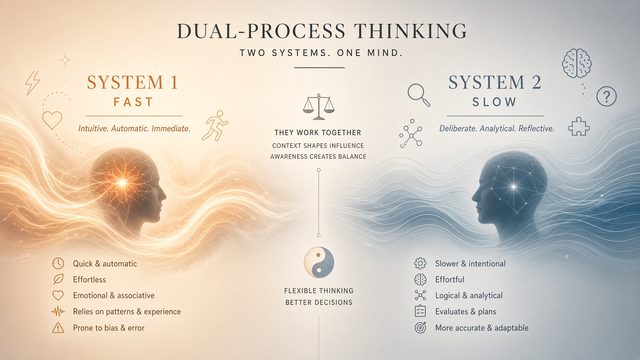
What happens in the brain when we find something beautiful? Learn about the neuroscience of aesthetics, reward, symmetry, individual and cultural differences, and how art, nature and music affect wellbeing.
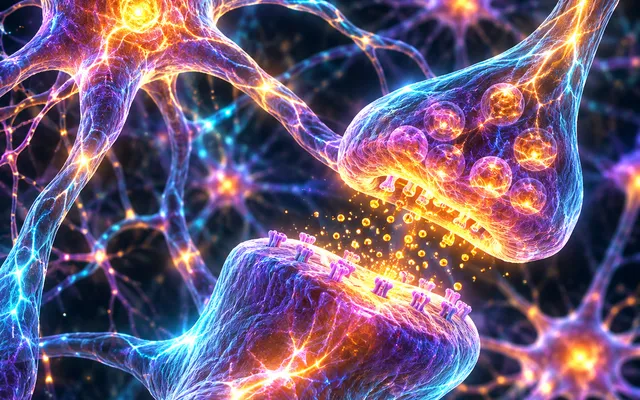
Awe, the feeling of encountering something vast, changes how we think and feel. Learn what research shows about awe, brain activity, health benefits, humility, and how to cultivate it.
How does the brain make moral judgments? Learn about emotion and reason in moral decisions, the trolley problem, brain regions involved, development of morality and the limits of neuroscience for ethics.
How do we weigh right and wrong in real choices? Learn about intuition, reasoning, empathy, self-interest, stress and context in ethical decision-making, and tools for deciding well.
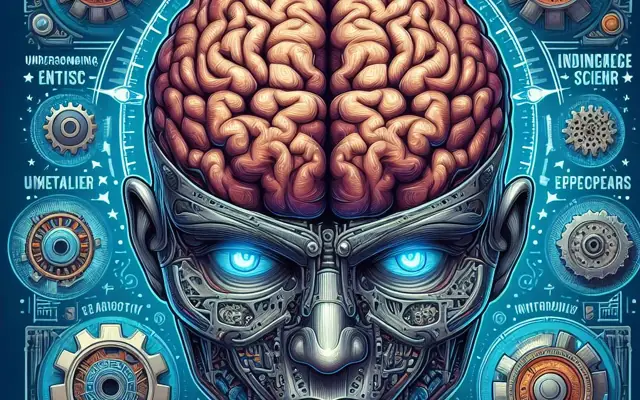
Why do people help others at a cost to themselves? Learn about empathy, reward and compassion circuits, extraordinary altruists, benefits of giving, and factors that encourage kindness.
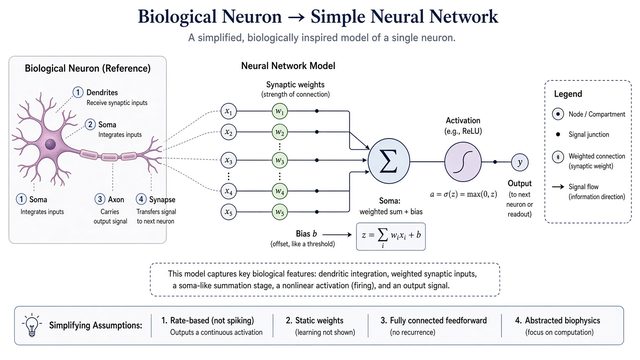
Why do we want to punish wrongdoers and seek fairness? Learn how the brain processes fairness, retribution and forgiveness, and what neuroscience raises for legal systems.
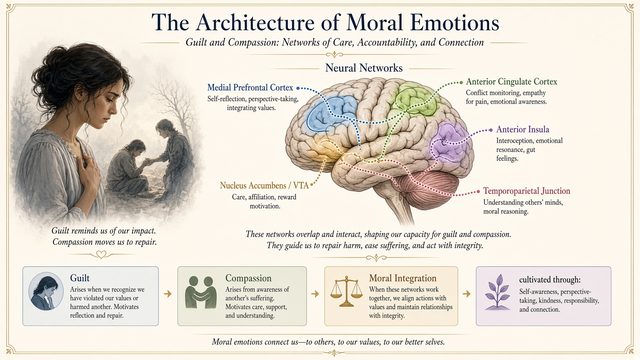
Brain science raises hard ethical questions about privacy, enhancement, consent and responsibility. Explore the key issues in neuroethics and how they are being addressed.
Should healthy people use drugs, stimulation or devices to improve thinking? Explore the ethical arguments about safety, fairness, coercion, authenticity and regulation in cognitive enhancement.
Smart drugs, nootropics and prescription stimulants promise sharper minds. See what research shows about effectiveness, risks, legal issues and safer alternatives before using them.
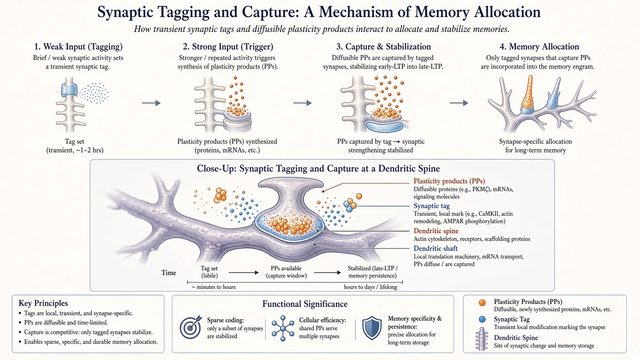
Drugs and techniques may soon weaken painful memories or strengthen fading ones. Explore the science of reconsolidation and propranolol, and the ethical questions about identity, authenticity, responsibility and trauma.
Can technology read minds? Learn what brain decoding can do, from detecting images to translating attempted speech, its limits, privacy risks and ethical safeguards for mental privacy.
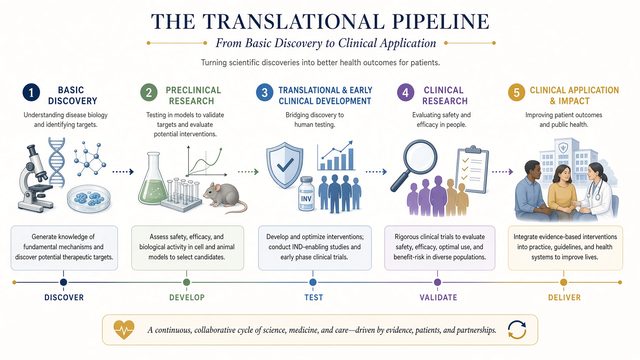
Animal studies have driven many advances in understanding the brain, and they raise serious ethical questions. Explore the benefits, welfare principles, the 3Rs, alternatives, primate research and the debate.
Research on human brains has transformed medicine and raises ethical questions on risk, consent, privacy, vulnerable participants and brain stimulation or implants. Learn the principles and safeguards.
Informed consent is more than signing a form. Learn the elements, challenges with cognitive impairment, children, genetic and imaging research, and how participants can make good decisions about joining studies.
Neurodiversity treats conditions such as autism, ADHD and dyslexia as natural variation. Learn the concept, evidence, benefits and criticisms, and how schools, workplaces and communities can include neurodivergent people.
How should brain research inform schools? Learn about neuromyths, early childhood, sleep and school start times, reading instruction, and how to use neuroscience responsibly in education policy.
From adolescent brain science to brain injury and addiction, neuroscience increasingly appears in law. Learn how it is used in sentencing, competence, juvenile law and treatment, and its proper limits.
Brain scans, neuropsychological testing and expert testimony are increasingly offered in court. Learn what they can and cannot show, standards for admitting evidence, and common misuses.
Marketers use psychology and neuroscience to shape attention, emotion and choices. Learn how persuasion, reward, scarcity, social proof and design affect your brain, and how to shop mindfully.
Neuromarketing uses brain imaging and biometrics to study consumers. Explore what it can and cannot do, concerns about manipulation, privacy and vulnerable groups, and principles for ethical practice.
Brain health outcomes differ by income, race, geography and access to care. Learn what drives disparities in stroke, dementia and neurological care, and what communities and health systems can do about them.
Culture shapes how people understand, describe and treat brain conditions, from dementia to depression. Learn how beliefs, language and community affect symptoms, diagnosis and care, and how clinicians can respond respectfully.
Laws and public programs shape brain health through clean air, safe roads, nutrition, healthcare coverage, education and workplaces. Learn which policies protect the brain and how evidence guides them.
Brain disorders cost societies trillions in care and lost productivity. Learn about the costs of dementia, stroke, mental illness and injury, the value of prevention, and how to think about funding research and care.
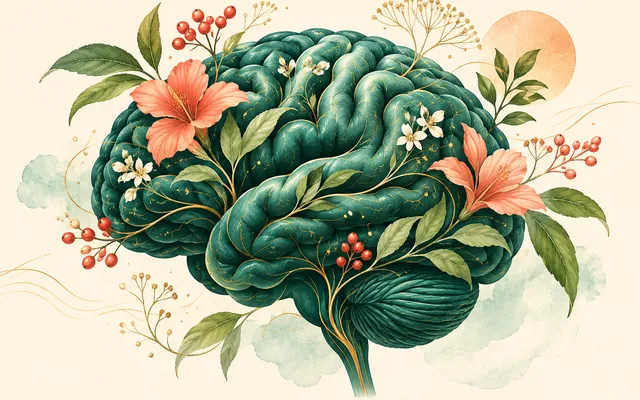
How will brain care be delivered in coming years? Explore telehealth, digital biomarkers, blood tests, AI support, home-based care, integrated models and remaining barriers to access.

Brain disorders are a major global health challenge, from malnutrition and infection to stroke, epilepsy and mental illness. Learn the global burden, low-resource solutions and how world health efforts address the brain.
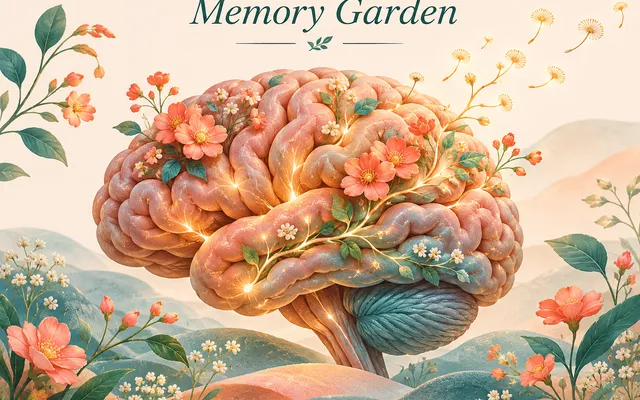
Brain science is easy to hype and easy to misread. Learn principles for clear, honest communication of neuroscience, with advice on metaphors, uncertainty, visuals, stories and avoiding neurobabble.
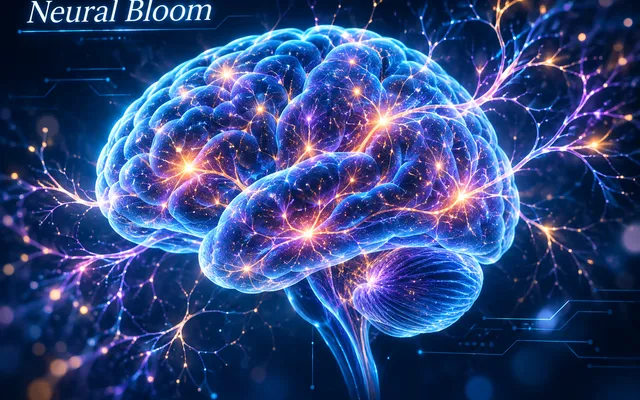
Why do false brain health claims spread, from miracle supplements to brain training hype? Learn the psychology of misinformation, common myths, harms, and practical ways to spot and counter false claims.

Trust between the public and brain researchers affects who joins studies and who benefits. Learn what builds trust, including transparency, replication, community partnership, data stewardship and fair sharing of results.
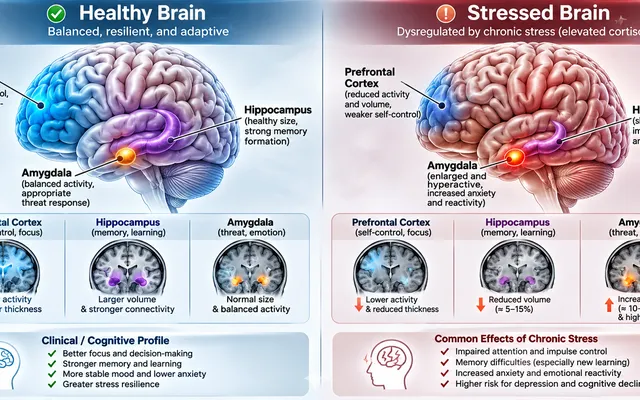
Hope is more than a feeling: it shapes motivation, resilience and recovery. Learn what neuroscience and psychology show about hope, optimism and expectation, and how to nurture realistic hope in difficult times.

From blood tests and new Alzheimer's treatments to brain-computer interfaces and AI-guided discovery, here is a grounded look at what neuroscience may deliver in the next ten years, and what remains uncertain.
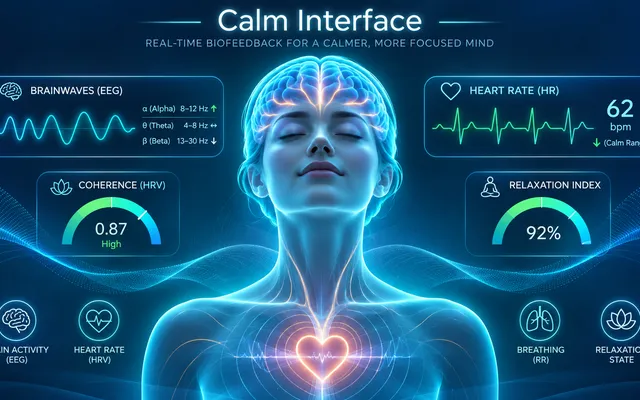
Wearables, AI, virtual reality and closed-loop neurotechnology are shaping the next generation of biofeedback. Learn what's emerging and what still needs proof.
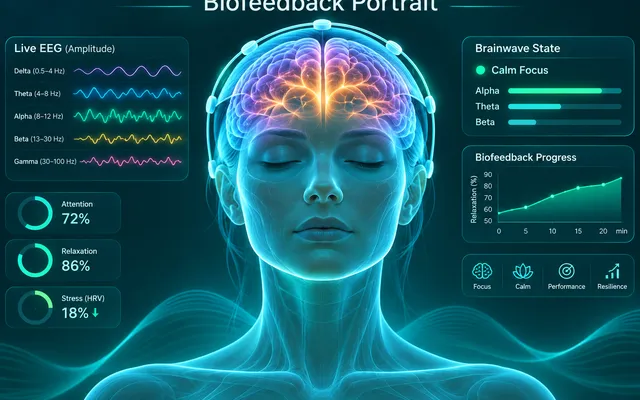
Biofeedback shows promise for many conditions, but research gaps remain. Explore limits in trial quality, sham controls, standardization, long-term outcomes and mechanisms, and where the field is heading.
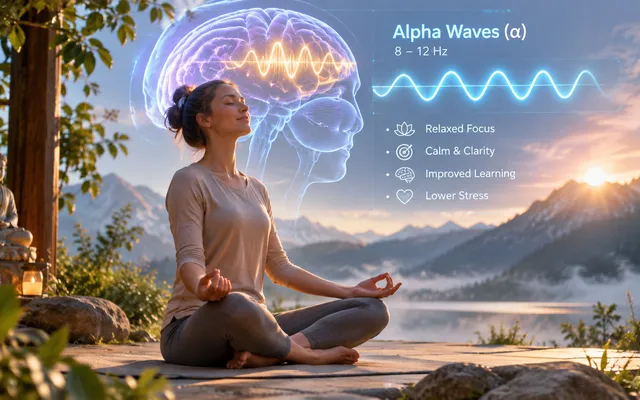
Neurofeedback raises ethical questions about evidence, marketing claims, consent, cost and data privacy. Learn what to ask a provider and how to protect yourself.
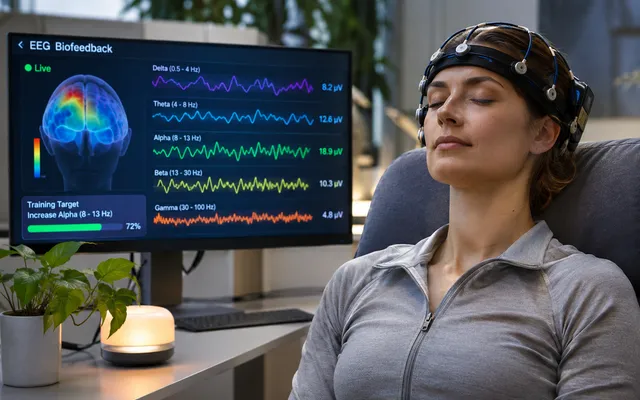
Who can get biofeedback? Cost, insurance, geography and cultural fit limit access. Learn about barriers and solutions, including telehealth, home devices, community programs and inclusive research.
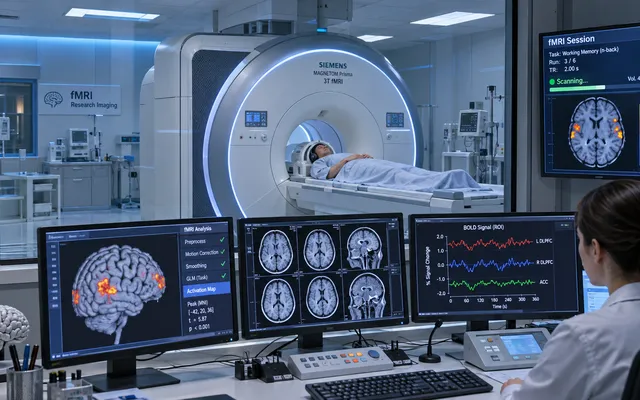
Self-regulation links emotions, attention, behavior and the body. Learn how the brain manages stress and impulses, why biofeedback helps, and how breathing, sleep, exercise and mindfulness build regulation skills.
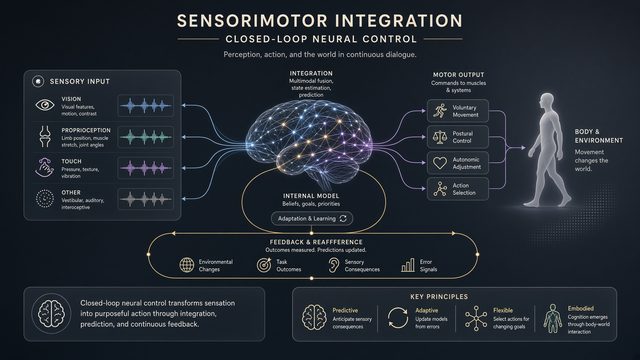
Biofeedback sits between conventional and complementary care. Learn how it fits into integrative medicine, its evidence for common conditions, how it combines with other therapies, and how to choose safely.
More articles in this topic are being added. Meanwhile, see the neurology clinic directory.