
Technology
How fMRI Works: Watching the Brain in Action
Functional MRI maps brain activity by tracking blood oxygen changes. Learn how the BOLD signal works, what fMRI is used for, and why colorful brain images need careful interpretation.
From fMRI and EEG to brain stimulation, wearables and brain-computer interfaces, technology is changing how we see and treat the brain. These articles explain how the tools work, what they can honestly do and where the hype runs ahead of the data.
Functional MRI maps brain activity by tracking blood oxygen changes. Learn how the BOLD signal works, what fMRI is used for, and why colorful brain images need careful interpretation.

EEG records the brain's electrical signals through electrodes on the scalp. Learn how the test works, what it is used for, and what it cannot show.

PET imaging uses radioactive tracers to show brain metabolism, amyloid, tau and dopamine. Learn how the scan works, what it is used for, and its risks and limits.
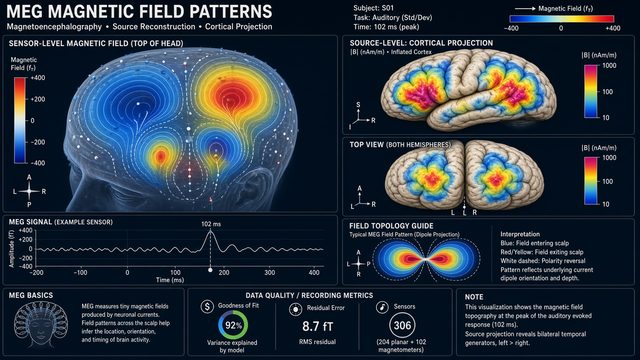
MEG records the tiny magnetic fields produced by brain activity with millisecond timing. Learn how it works, how it helps epilepsy surgery and research, and how it compares with EEG.
CT, MRI, fMRI, PET and EEG each reveal different things about the brain. Learn which test is used for stroke, tumors, dementia and epilepsy, and what the images can and cannot show.
Ultra-high-field MRI, wearable MEG, AI analysis and portable scanners are changing brain imaging. Learn what's coming and the promises and cautions.
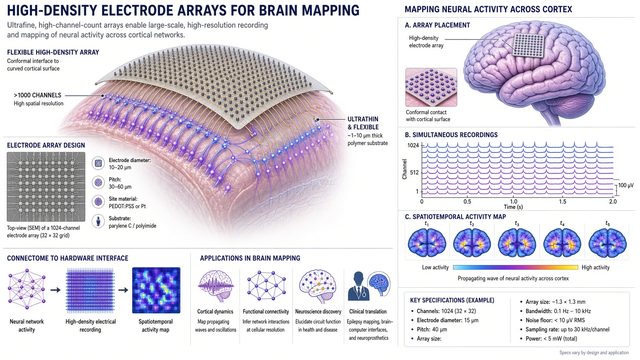
Brain-computer interfaces translate brain signals into commands for computers or devices. Learn how implanted and noninvasive systems work, who they help and what challenges remain.
Neuroprosthetics connect devices to the nervous system to restore hearing, vision, movement and communication. Learn how cochlear implants, spinal stimulators and brain implants work and what they can and cannot do.
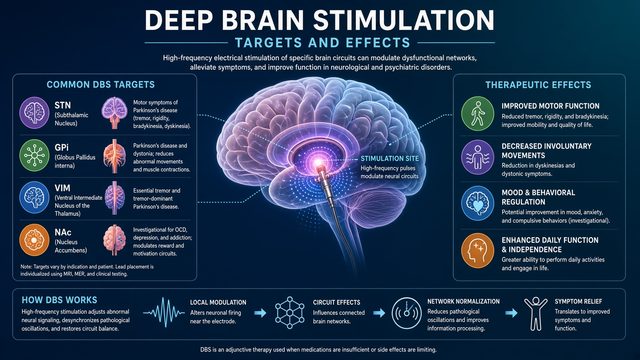
Deep brain stimulation uses implanted electrodes to modulate circuits in Parkinson's, tremor, dystonia and other conditions. Learn how it works, who qualifies, risks, results and the future of adaptive DBS.
TMS uses magnetic pulses to stimulate mood-related brain regions and is approved for treatment-resistant depression. Learn how it works, what to expect and who may benefit.
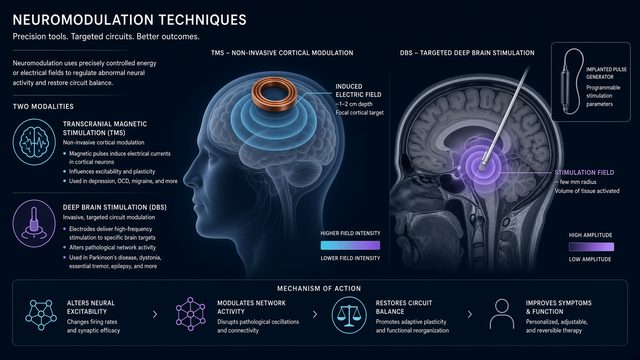
tDCS passes a weak current through the scalp to alter brain excitability. Learn how it works, what trials show for depression, stroke and cognition, safety, and why results are inconsistent.
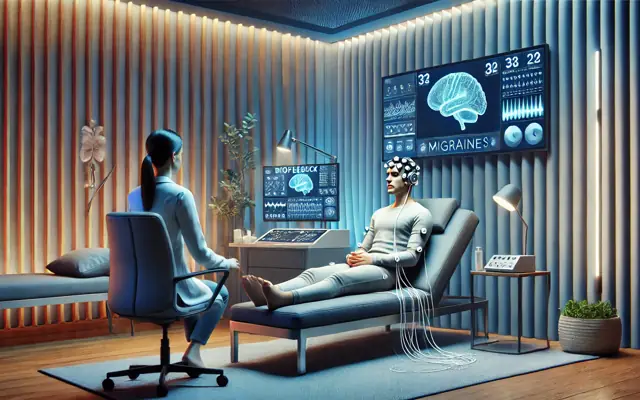
Neurofeedback uses EEG or fMRI to display brain activity so people can learn to change it. Learn how the technology works, what the main protocols are, and what research says about effectiveness.
Consumer headbands and earbuds promise to track brain activity, focus or sleep. See how they work, what they measure reliably, and where claims go too far.

Thousands of apps promise better memory, focus, sleep and mood. Learn what evidence supports brain training, meditation, sleep and CBT apps, privacy risks and how to choose wisely.
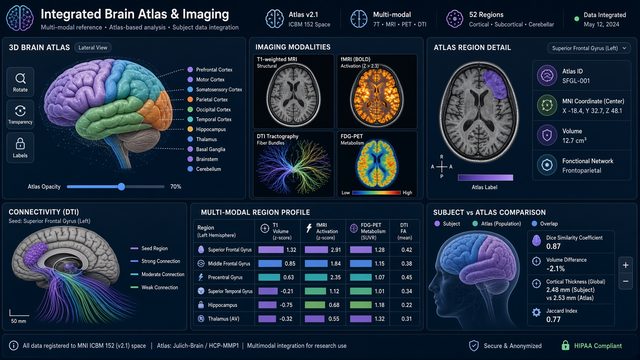
Artificial intelligence is helping read MRI and CT scans, detect strokes, segment tumors and predict disease. Learn what AI can do now, the limits, bias risks and what the future may bring.
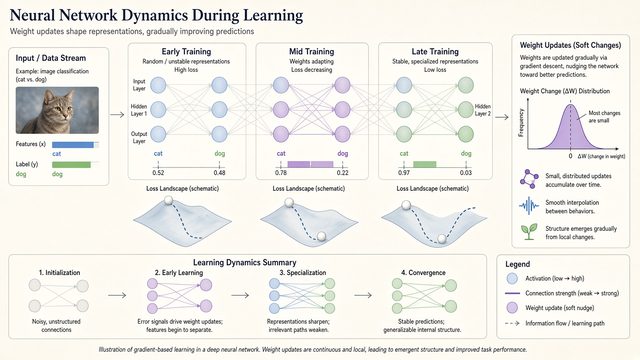
Machine learning analyzes speech, handwriting, imaging and records to flag early dementia. Learn what models can do, how accurate they are, the limits and the ethics of predicting dementia.
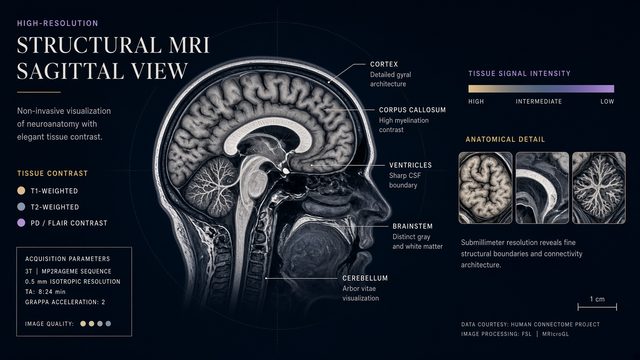
Virtual reality offers immersive, repeatable practice for stroke, brain injury and Parkinson's rehabilitation. Learn how it works, what trials show, safety considerations and how to access it.
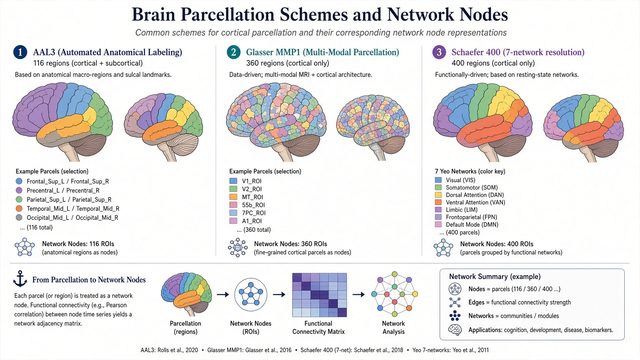
Virtual reality supports exposure therapy for phobias and PTSD, attention and memory training, and social skills practice. Learn how clinicians use VR, what evidence shows and where it falls short.
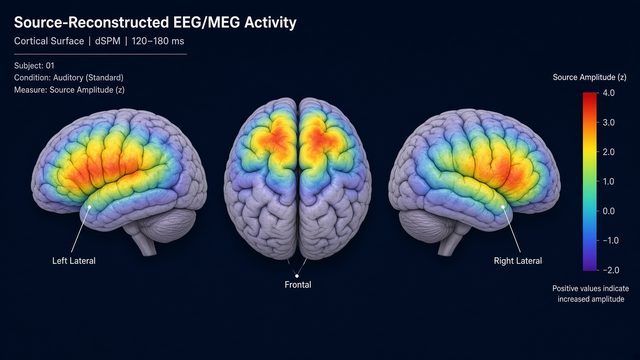
Augmented reality overlays digital cues on the real world to support memory, navigation and rehabilitation. Learn how AR differs from VR, what studies show for dementia and stroke, and the limits.
Video games engage attention, reward and motor systems and can change brain activity and structure. Learn what research shows about dopamine, learning, action games, risks and healthy play.
Do video games sharpen attention, memory or intelligence? Learn what trials show about action games, brain-training games and older adults, and why transfer to real life is hard to prove.
Neurogaming uses brain signals and physiological sensors to control games or deliver therapy. Learn how EEG headsets, biofeedback games and closed-loop designs work, and what is real versus marketing.
A digital twin is a personalized computer model of a brain that can simulate disease and test treatments. Learn how brain digital twins are built, what The Virtual Brain project does and current limits.
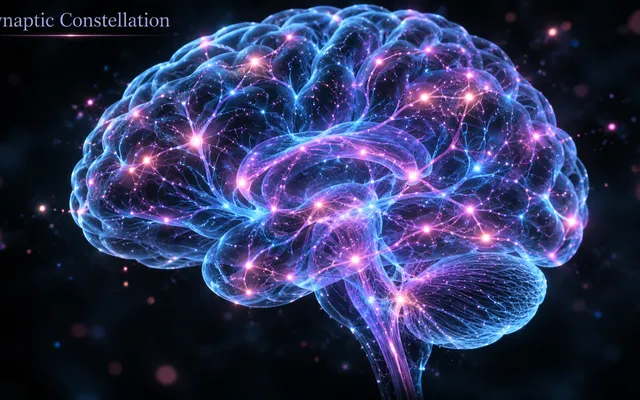
Whole-brain emulation would simulate every neuron and synapse. Learn what has been done in worms and flies, the huge technical gaps for the human brain, and the scientific and philosophical debates.
Brain-computer interfaces raise questions about autonomy, identity, privacy, safety, equity and consent. Learn the main ethical issues and the frameworks being proposed to guide responsible development.
Brain data from EEG headsets, wearables and implants can reveal sensitive information. Learn what neural data can and cannot show, the legal landscape and practical steps to protect it.
Home brain stimulation devices include tDCS headsets, TMS-like systems, tACS, CES and vagus nerve stimulators. Learn what is approved, what evidence exists, and the safety questions to ask.
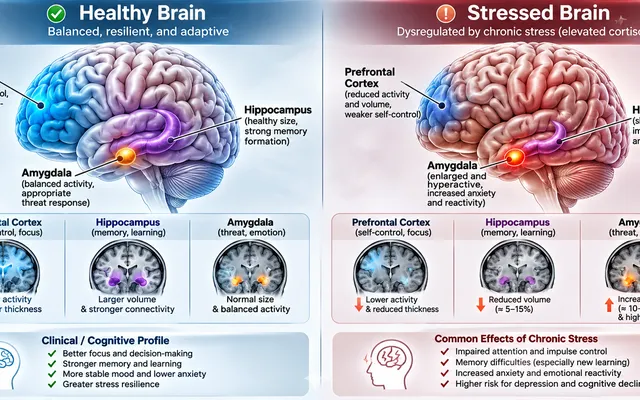
Consumer EEG headbands and earbuds promise focus and sleep tracking. Learn how they work, what they can reliably measure, accuracy limits, privacy, and how to decide whether to buy one.
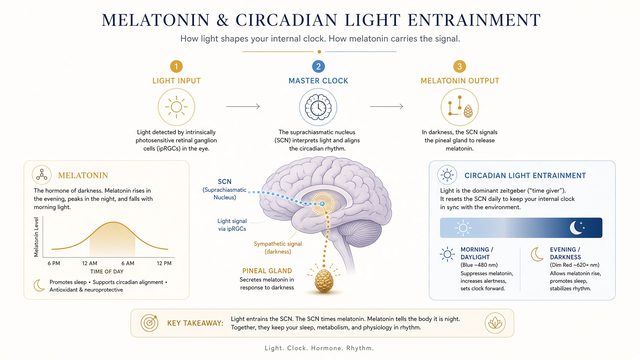
Bright light, red light and flickering light therapies are used for depression, sleep, concussion and research in Alzheimer's. Learn which have evidence, how to use them safely and what is still unproven.
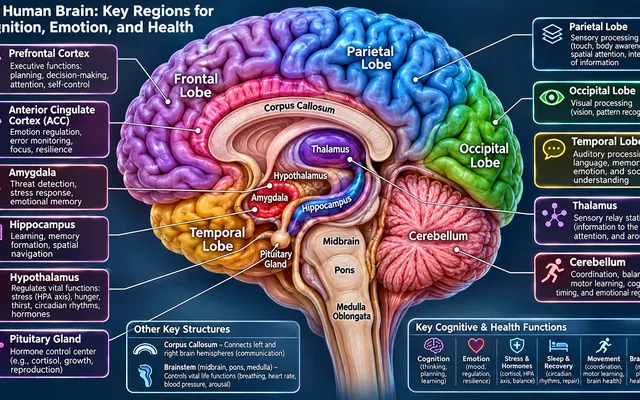
Focused ultrasound uses sound waves to treat tremor, open the blood-brain barrier and modulate neurons without surgery. Learn how it works, approved uses, risks and research in Alzheimer's and depression.
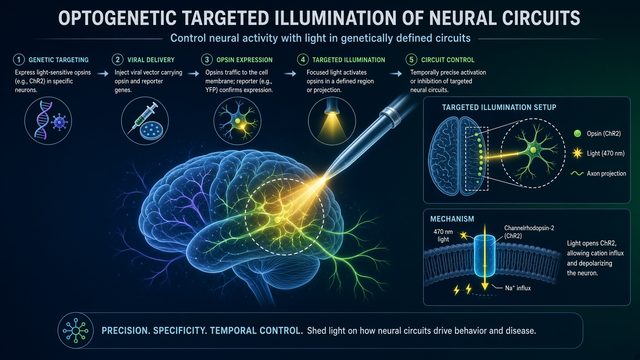
Optogenetics inserts light-sensitive proteins into neurons so scientists can switch them on or off with light. Learn how it works, what it has revealed and its early steps toward treating blindness.
Chemogenetics uses engineered receptors activated by designer drugs to control neurons. Learn how DREADDs work, how they differ from optogenetics, and what they reveal and may treat.
Digital therapeutics are software programs with clinical evidence that treat conditions such as insomnia, ADHD and depression. Learn what is approved, how they work and how they differ from wellness apps.
Telehealth lets people see neurologists, therapists and rehabilitation teams remotely. Learn what works well by video, what requires in-person care, how to prepare, and its benefits and limits.
AI tools are being used for triage, therapy support, risk prediction and documentation in mental health. Learn the benefits, evidence, risks including safety and bias, and how to use them wisely.
Chatbots deliver CBT-style exercises through conversation. Learn what trials of Woebot, Wysa and newer AI models found, how effective they are, who may benefit and the safety limits.
Social media engages reward, social comparison and attention circuits. Learn what neuroscience research shows about likes, scrolling, adolescent brains and mental health, and what remains uncertain.
Screen time affects sleep, attention and development differently depending on content and context. Learn what studies show for children, teens and adults, and how to set healthy limits.
Does taking a break from phones and social media improve focus, mood or sleep? Learn what studies show about digital detox, how long breaks last and how to try a sustainable approach.
Blue light influences melatonin and alertness, but screens are a small part of the story. Learn what research shows about blue light, sleep, eye health, blue-blocking glasses and sensible habits.
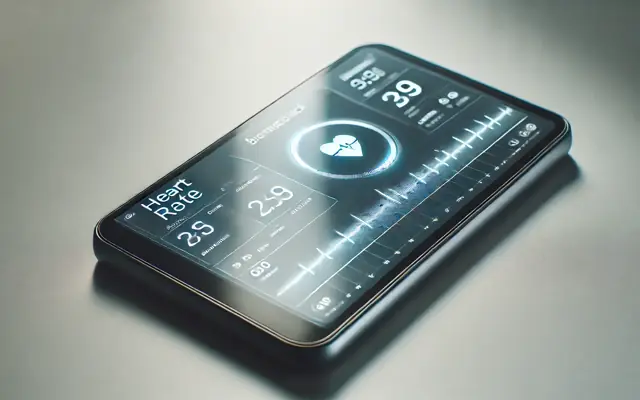
Noise can drain attention and raise stress, and noise-canceling headphones may help focus for some tasks. Learn what research shows about noise, concentration, hearing and safety.
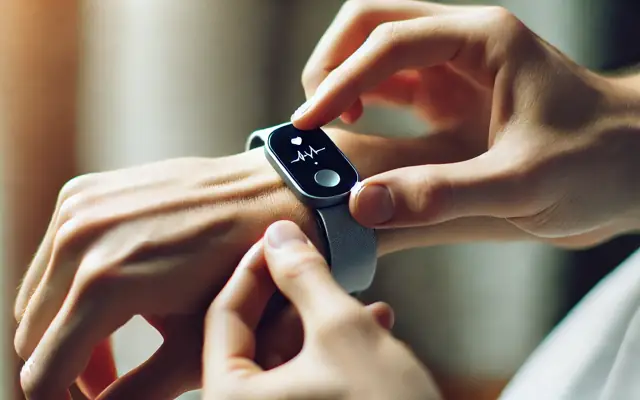
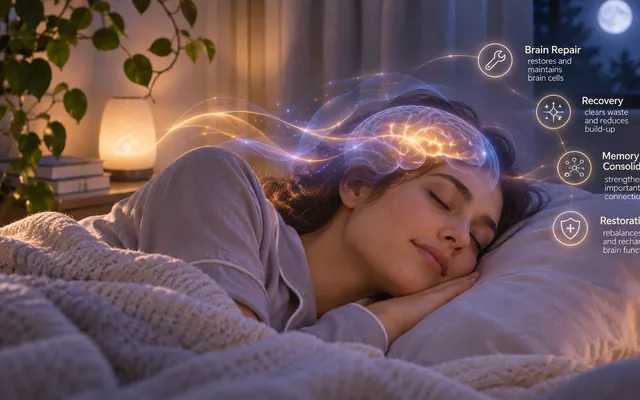
Phones, laptops and late-night media affect sleep through light, arousal and habits. Learn what research shows and how to design a tech routine that supports deep sleep and brain recovery.
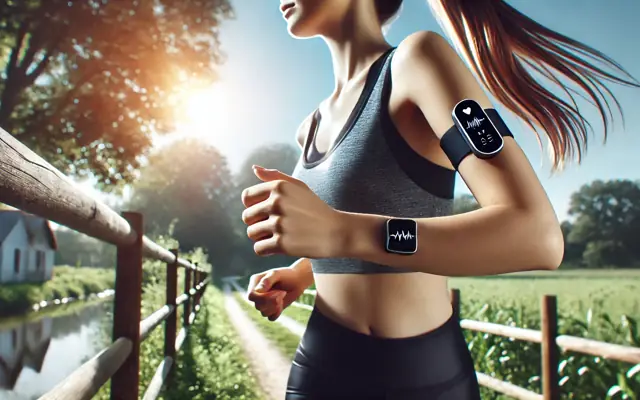
How is constant connectivity changing attention, memory and habits? Learn what neuroscience says about the digital brain, what is hype, and practical ways to adapt healthily.
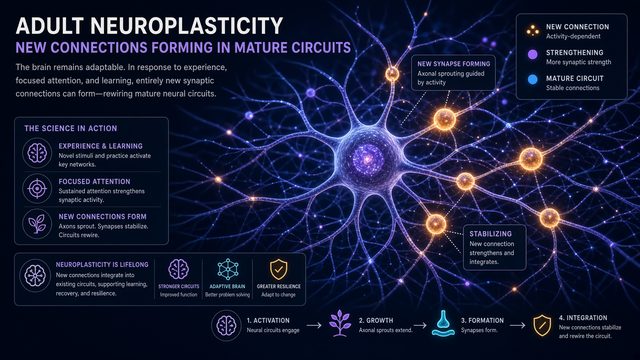
Startups are building brain implants, wearables and AI diagnostics. Learn what the main companies are attempting, how to evaluate their claims, and the risks of hype, regulation and data.
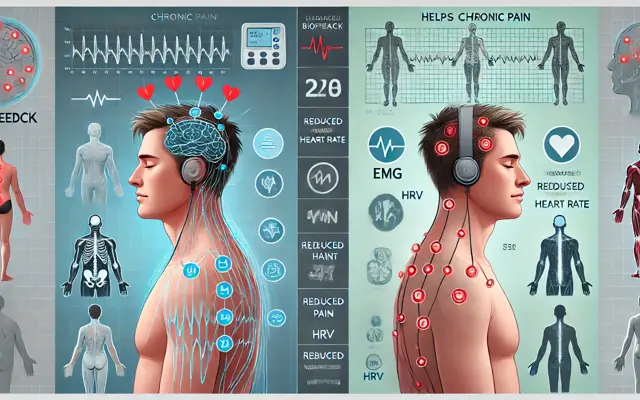
Brain hacking covers everything from supplements and stimulation to nootropics and neurofeedback. Learn what is plausible, what has evidence, the risks and how to experiment more safely.
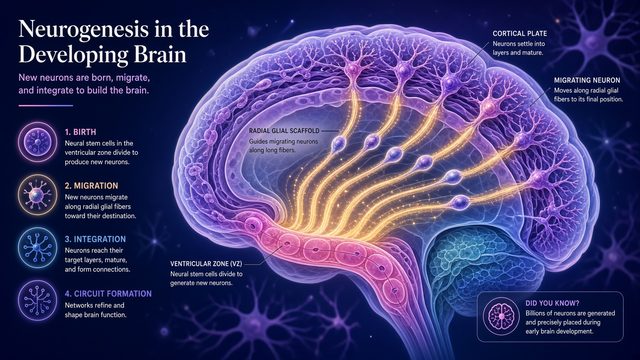
Do-it-yourself brain stimulation has grown online, but home-built devices can burn skin and cause unpredictable effects. Learn the risks, what experts warn and safer alternatives.
Binaural beats are an auditory illusion said to promote relaxation, focus or sleep. Learn how they work, what studies show for anxiety, attention and memory, and how to try them.

Binaural beats and flickering lights claim to sync your brain to a desired state. Learn what entrainment is, what studies show, and which claims are overblown.
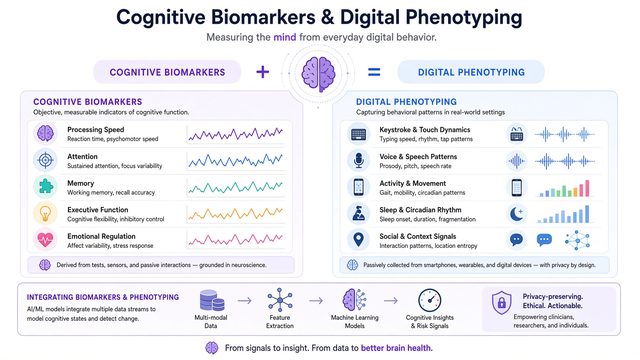
Smartphones and wearables can capture gait, speech, typing, sleep and activity as digital biomarkers of brain health. Learn what they can detect, accuracy, privacy and clinical uses.
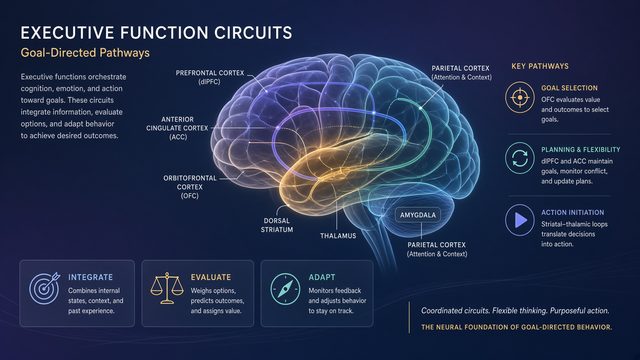
Remote cognitive testing and monitoring let clinicians track memory and thinking from home. Learn the tools used, benefits, limits, accuracy and how to use them in care and trials.
Blood tests, advanced imaging, digital biomarkers and AI are reshaping how brain diseases are detected. Learn what is available now, what is coming and ethical issues around early diagnosis.
Big datasets, machine learning and shared repositories are transforming neuroscience. Learn how data science is used in brain research, what it has revealed, and its limits and pitfalls.

Open science, shared data and large consortia are speeding neuroscience discovery. Learn how data sharing, preregistration and open access work, and what challenges remain.
Many neuroscience findings fail to replicate. Learn why small samples, flexible analysis and publication bias undermine results, what has been found, and how the field is improving.
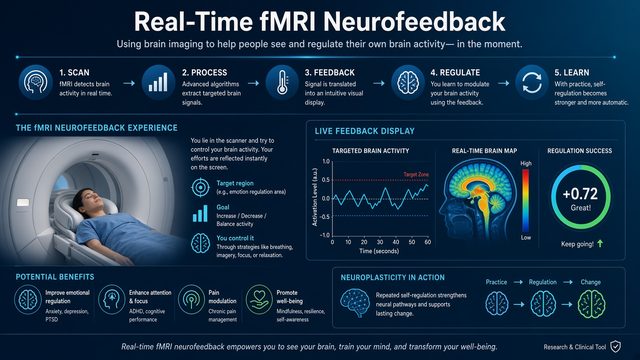
Biofeedback devices turn body signals into live feedback using sensors for heart rhythm, muscle, breathing, skin and brain activity. See what each sensor measures and how to choose one.
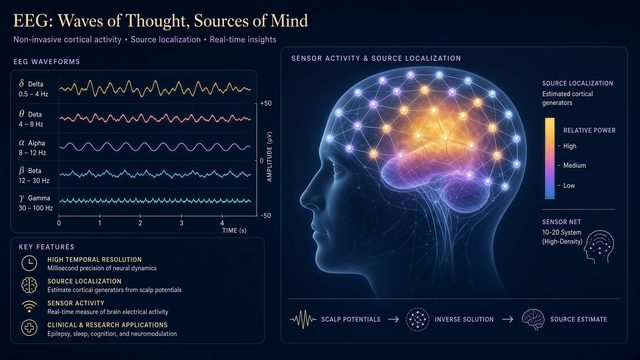
Home biofeedback devices measure heart rate, breathing, skin response and brain waves. Learn how the sensors work, which are reliable, and how to choose and use them wisely.
Neurofeedback uses EEG hardware and software to show brain activity in real time. Learn the components, differences between clinical and consumer systems, and what to ask before buying or using one.
Apps and wearables promise stress, sleep and focus training through biofeedback. Learn what they measure, what evidence exists, accuracy limits and how to use them wisely.
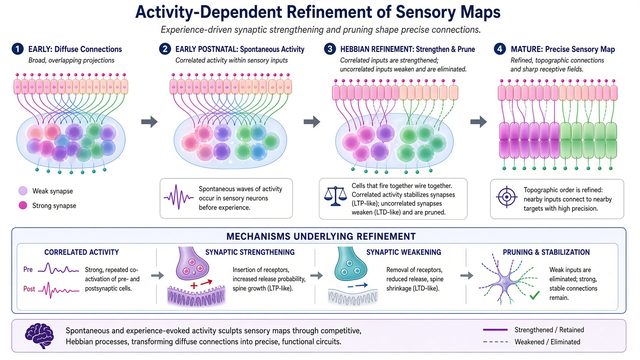
Biofeedback relies on sensors that measure muscle, heart, skin, breathing, temperature and brain signals. Learn how each sensor works, what it shows, and why accurate placement matters.
Biofeedback and brain-computer interfaces both read signals and respond in real time. Learn how they differ, where they overlap, and how BCIs are used for rehabilitation, communication and control.
More articles in this topic are being added. Meanwhile, see the neurology clinic directory.