
Mental Health
The Neurobiology of Anxiety: What Happens in the Anxious Brain
Anxiety involves threat circuits in the amygdala, regulation by the prefrontal cortex and stress hormones. Learn what happens in the brain and how treatment helps.
Mood, stress, trauma and resilience all have biological footprints. These articles explain what is known about anxiety, depression, grief, empathy and recovery, and why approaches such as therapy, movement and connection can change how the brain works.
Anxiety involves threat circuits in the amygdala, regulation by the prefrontal cortex and stress hormones. Learn what happens in the brain and how treatment helps.

Depression involves changes in mood circuits, stress systems, sleep and inflammation, not just a chemical imbalance. Learn what research shows and which treatments work.

Short bursts of stress help us cope, but chronic stress can change the amygdala, prefrontal cortex and hippocampus. Learn what changes occur and how to recover.
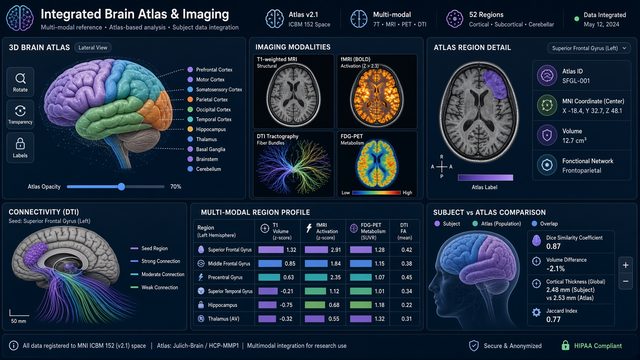
Resilience is the ability to adapt well to adversity. Learn what research shows about the brain, protective factors and practical ways to build resilience.
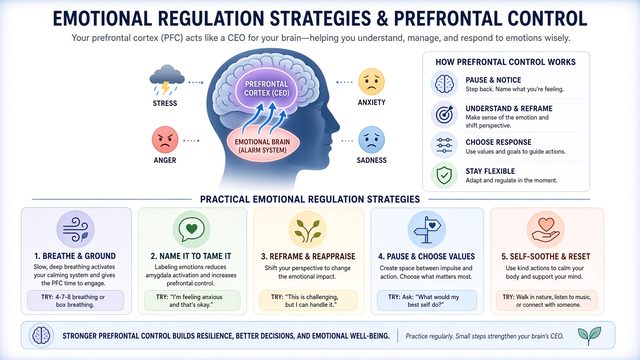
Emotion regulation is the ability to influence which feelings you have and how you express them. Learn how the prefrontal cortex and amygdala interact, and which strategies work.
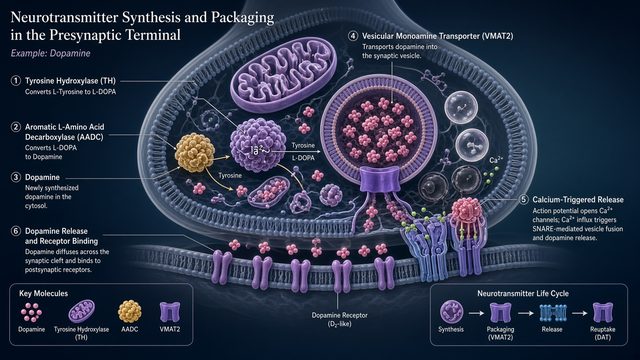
Mindfulness trains attention and awareness of the present moment. Learn what brain imaging shows, what clinical trials support, and how to begin safely.
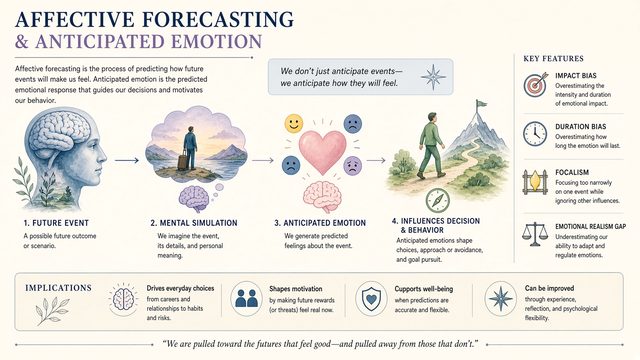
Practicing gratitude is linked with better mood, sleep and relationships. Learn what brain imaging shows, what the research can and cannot prove, and how to build the habit.
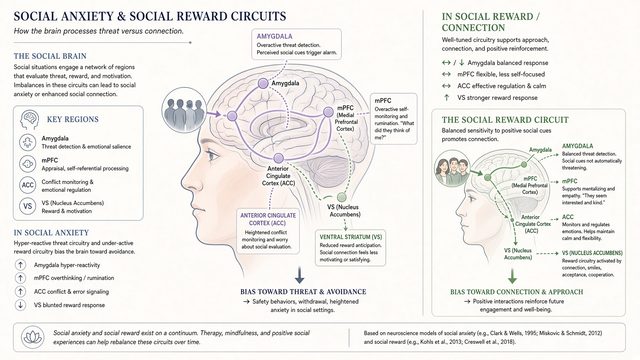
Loneliness is a distress signal with measurable effects on the brain and body. Learn what happens neurologically, how it affects health, and what helps.
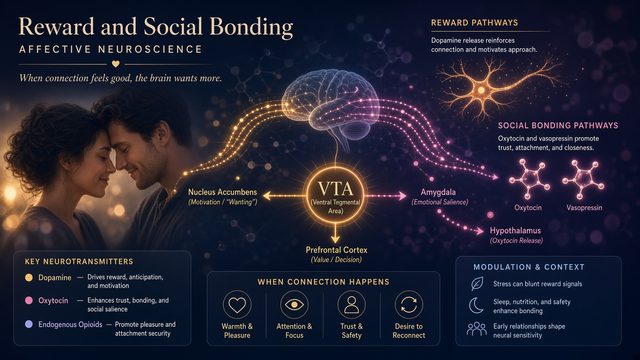
Strong social ties are linked with better memory, mood and lower dementia risk. Learn how social engagement benefits the brain and how to build connection at any age.
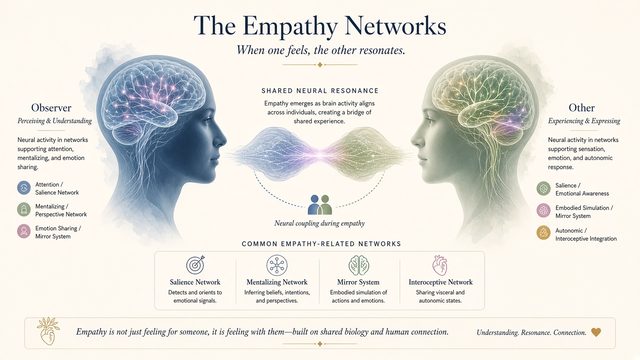
Empathy lets us feel with others and understand their perspective. Learn about the brain networks for emotional and cognitive empathy, empathy gaps, and how to build it.
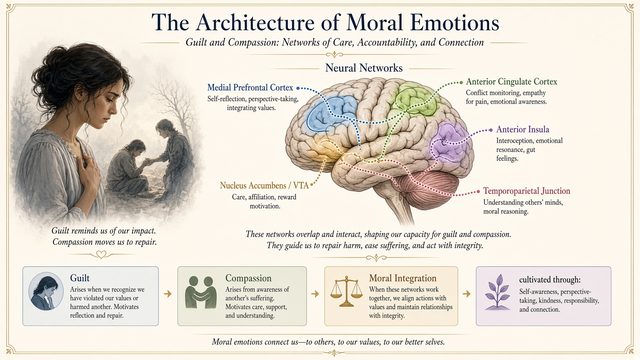
Compassion engages caring and reward circuits, differs from empathic distress, and can be trained. Learn what neuroscience shows about kindness, compassion meditation and well-being.
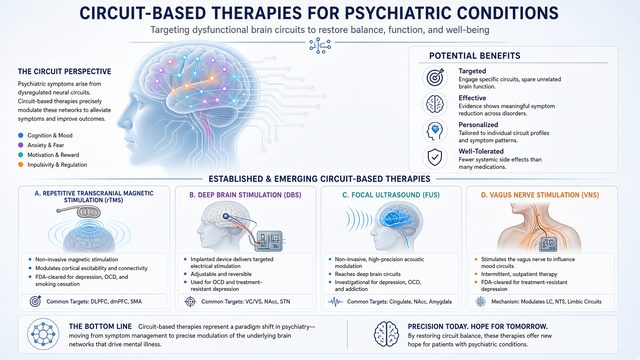
Anger involves the amygdala, hypothalamus and prefrontal control networks. Learn how the brain generates rage, why we lose control, and evidence-based ways to regulate anger.
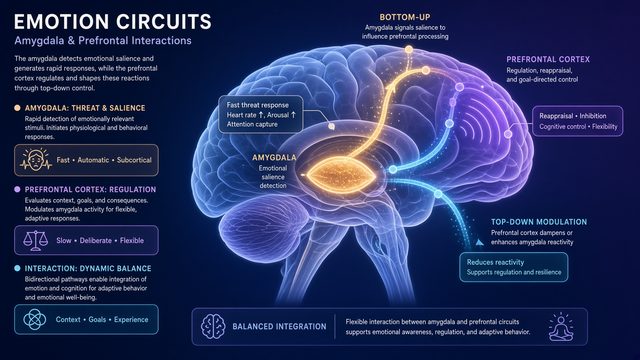
Fear conditioning and extinction explain how phobias form and how exposure therapy works. Learn about the amygdala, prefrontal cortex and hippocampus, and ways to make extinction stick.
PTSD involves an overactive amygdala, weakened prefrontal and hippocampal regulation, and altered stress systems. Learn how trauma changes the brain and which treatments are supported by evidence.

Recovery from psychological trauma involves plasticity, processing memories, restoring sleep and safety, and social support. Learn what promotes healing and what to expect.
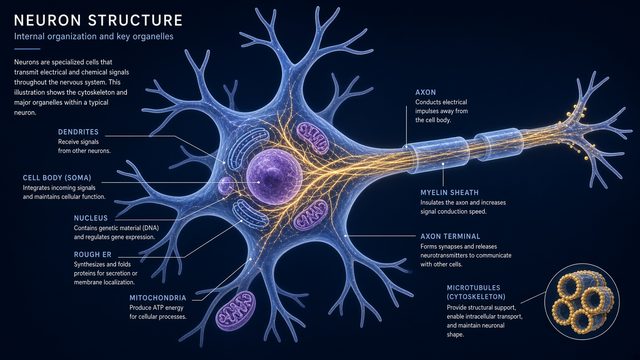
Grief activates pain, attachment and reward circuits and affects sleep, immunity and thinking. Learn what happens in the brain after loss, when grief becomes prolonged, and what helps.
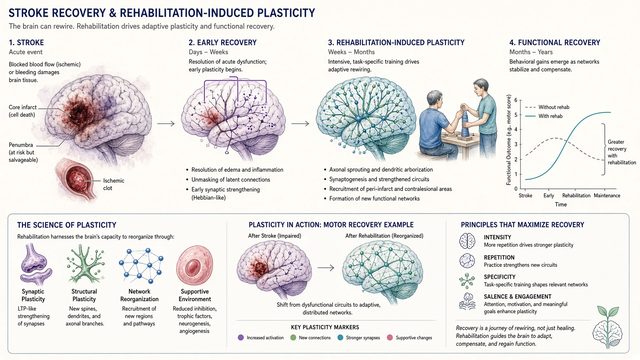
Burnout is chronic work stress with exhaustion, cynicism and reduced efficacy. Learn how it affects the amygdala, prefrontal cortex and stress systems, and what promotes recovery.
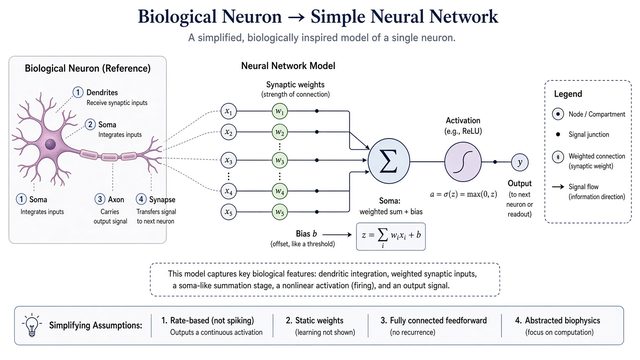
Self-compassion means treating yourself kindly in difficulty. Learn how it engages soothing systems, reduces threat responses and rumination, and how to practice it.

Rumination is repetitive negative thinking linked to default mode network overactivity and depression. Learn why the brain loops and which techniques, from distraction to CBT, break the cycle.
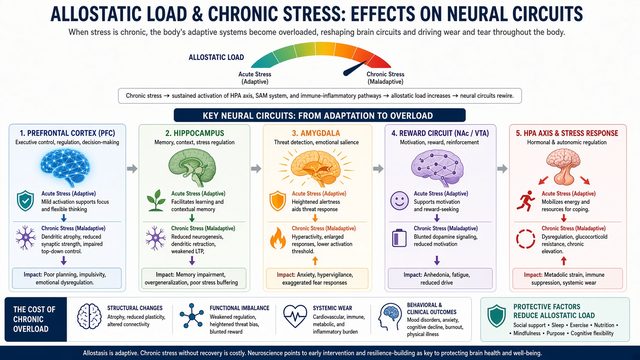
Worry becomes a problem when it is excessive and hard to control. Learn what happens in the brain in generalized anxiety, why worry persists, and treatments such as CBT and medication.
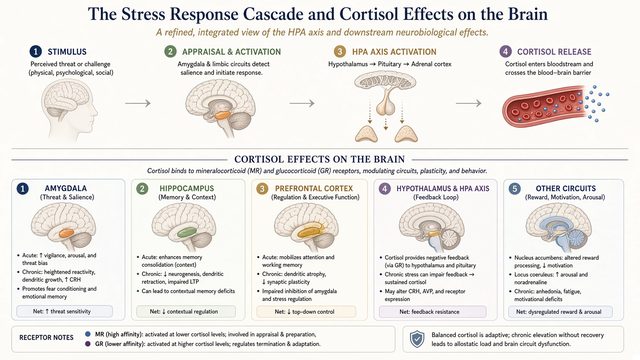
Panic attacks are sudden surges of fear with intense bodily symptoms. Learn how the amygdala, brainstem and interoception drive panic and how CBT and medication treat panic disorder.
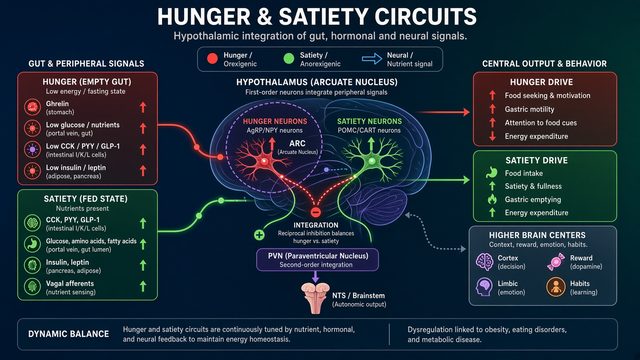
Addiction involves dopamine reward circuits, learned cues, stress systems and weakened prefrontal control. Learn how substances hijack the brain and why addiction is a treatable health condition.
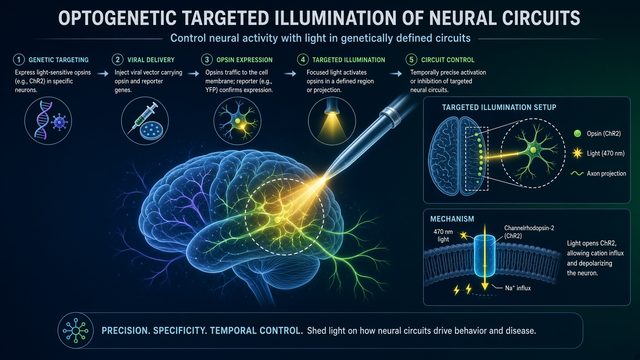
The brain partially recovers during addiction recovery, with dopamine receptors, prefrontal function and gray matter improving over months to years. Learn the timeline and what supports healing.
Motivation depends on dopamine, the striatum, anterior cingulate and prefrontal cortex. Learn what happens in apathy after stroke, depression or neurodegeneration, and how to rebuild drive.
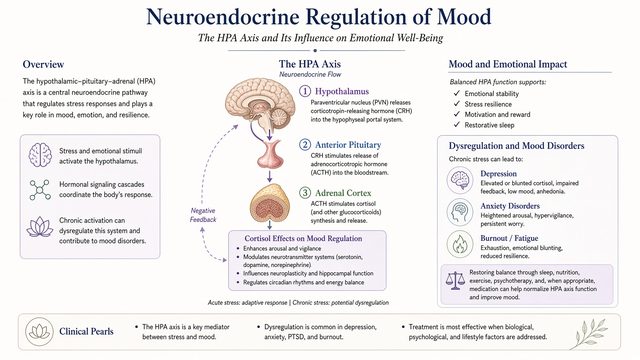
Sleep deprivation heightens amygdala reactivity and weakens prefrontal control, raising risk of anxiety and depression. Learn the mechanisms, the two-way relationship and how to protect sleep.
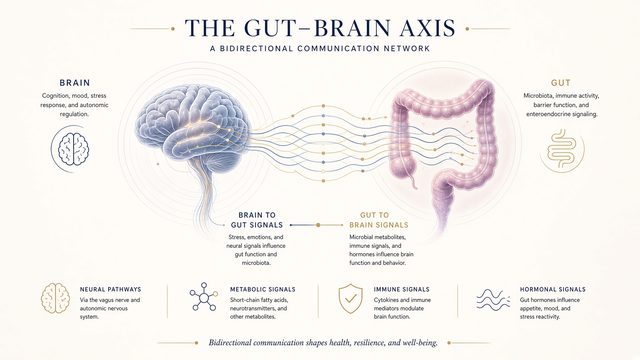
The gut and brain communicate via nerves, hormones, immune signals and microbial metabolites. Learn what research shows about the microbiome, depression and anxiety, probiotics and diet.

Inflammation may contribute to depression in a subset of patients. Learn how cytokines affect brain chemistry, what studies of anti-inflammatory treatments show, and which lifestyle steps lower inflammation.
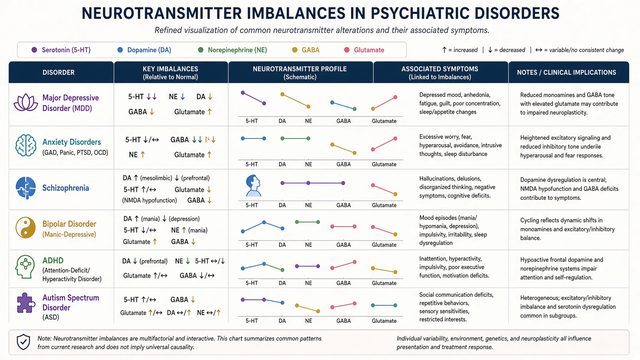
Optimism is linked to better health and resilience, and involves prefrontal and limbic circuits that bias expectations. Learn about the optimism bias, benefits, limits and how to cultivate realistic optimism.
Music engages auditory, reward, emotion and motor networks, releasing dopamine and shaping mood. Learn how music regulates emotion, reduces stress and supports therapy.

Time in nature lowers stress, rumination and anxiety and supports attention. Learn what studies show about green space, forest bathing, how much time helps and how to get more.
Play and joy engage dopamine, opioid and social bonding systems and support learning and resilience. Learn what animal and human research show and how adults can bring more play into life.

Laughter engages social, motor and reward circuits and may reduce stress and pain. Learn what neuroscience and clinical studies say about humor and health, and where evidence is limited.

Attachment is shaped by oxytocin, dopamine, opioids and early caregiving. Learn how bonding systems develop, how attachment styles relate to brain function and how security can be earned.
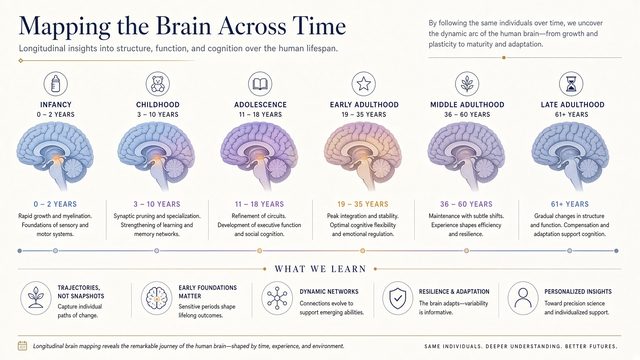
Responsive parenting supports healthy stress regulation, language and executive function in children. Learn how serve-and-return interaction, discipline, sleep and stress shape brain development.
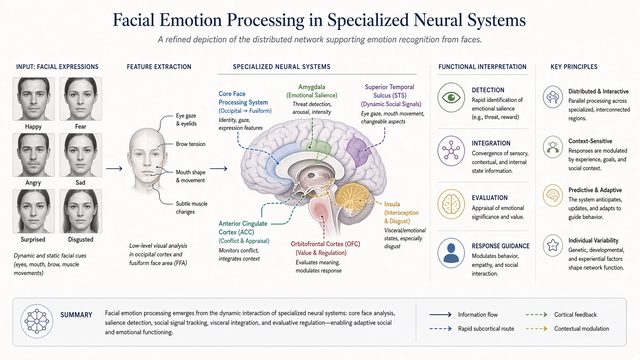
Emotions spread between people through mimicry, mirror and empathy systems. Learn how mood contagion works in families, workplaces and online, and how to protect your own state.
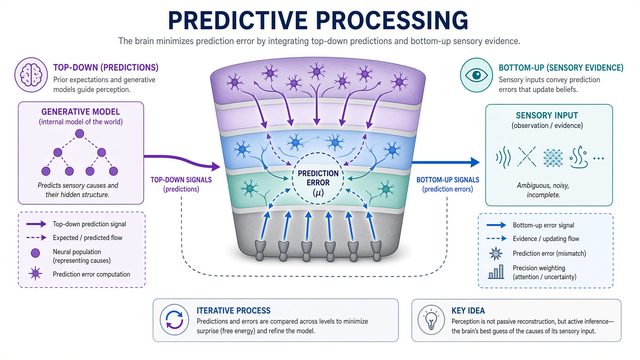
Social rejection activates pain-related brain regions and affects mood, behavior and self-esteem. Learn what neuroscience shows about the sting of exclusion and how to recover from it.
Forgiveness engages empathy, perspective-taking and emotion regulation networks and is linked to lower stress and better well-being. Learn how it works, what it is not, and practical approaches.
Cortisol follows a daily rhythm and drives the stress response. Learn how chronic stress and dysregulated cortisol relate to depression, anxiety and PTSD, and what actually lowers it.
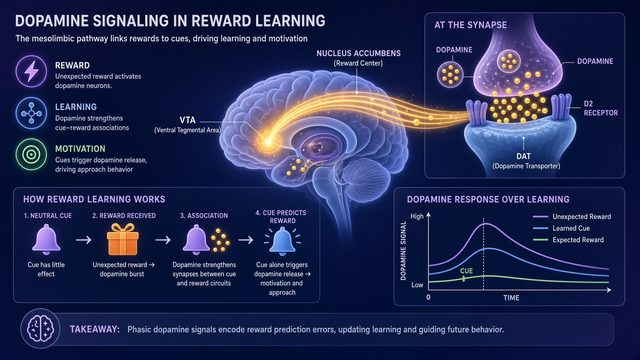
Dopamine signals reward prediction, motivation and effort, not simply pleasure. Learn how dopamine pathways affect mood, depression, ADHD, addiction and Parkinson's disease, and the myths of dopamine detox.
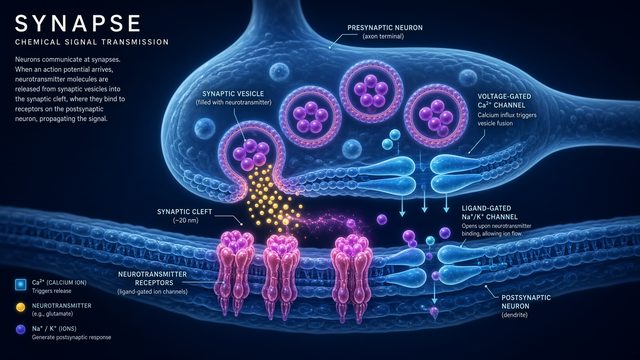
Serotonin affects mood, sleep, appetite and gut function, but depression is not simply low serotonin. Learn what the science says, how SSRIs work and how lifestyle influences serotonin systems.
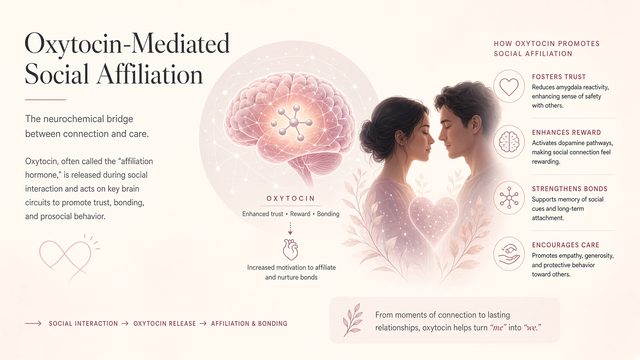
Oxytocin influences bonding, trust and social attention, but its effects depend on context. Learn what research shows about oxytocin in birth, parenting, relationships and nasal spray trials.
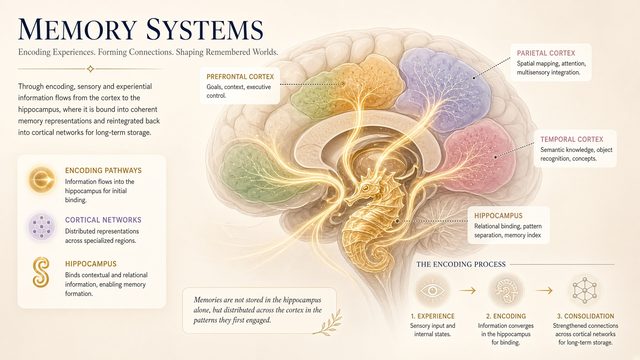
The endocannabinoid system regulates mood, stress, memory and pain. Learn how anandamide and 2-AG work, what exercise and diet do, and what research says about cannabis and CBD.
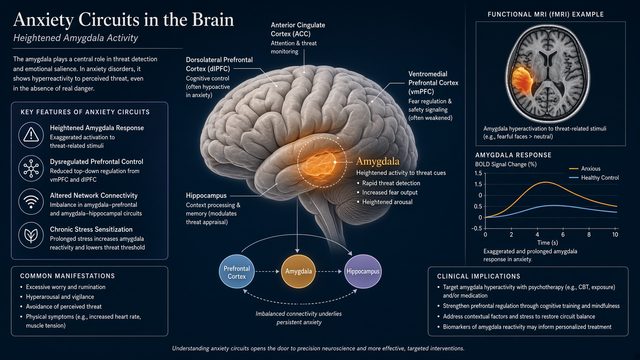
Fear regulation depends on the amygdala, prefrontal cortex, hippocampus and insula. Learn how the brain turns fear up and down, why anxiety disorders involve failures of regulation and which strategies help.
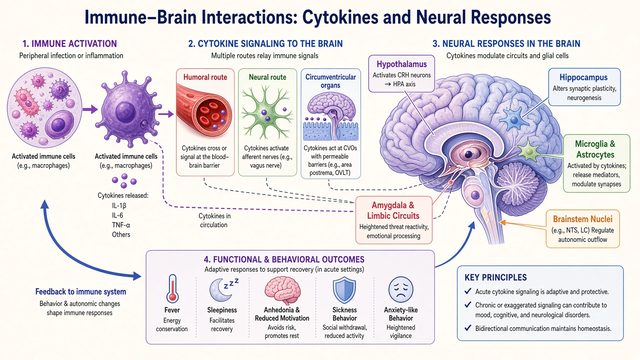
Hope combines goals, pathways and agency, and engages prefrontal and reward circuits. Learn what research shows about hope, health and resilience, and how to cultivate it realistically.
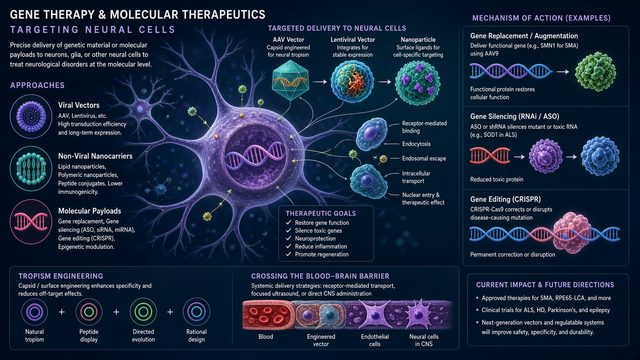
CBT changes how the brain processes emotion and thought. Learn what imaging studies show about prefrontal-limbic changes, how CBT compares with medication and which conditions respond best.
Psychotherapy can change brain activity, connectivity and structure through learning and relationships. Learn what imaging research shows across therapies and why the therapeutic relationship matters.
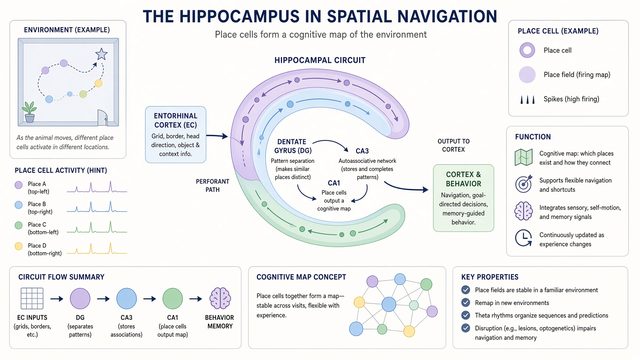
Placebo effects arise from expectation and conditioning and engage real brain chemistry such as endogenous opioids and dopamine. Learn how nocebo effects cause harm and how clinicians use this knowledge ethically.
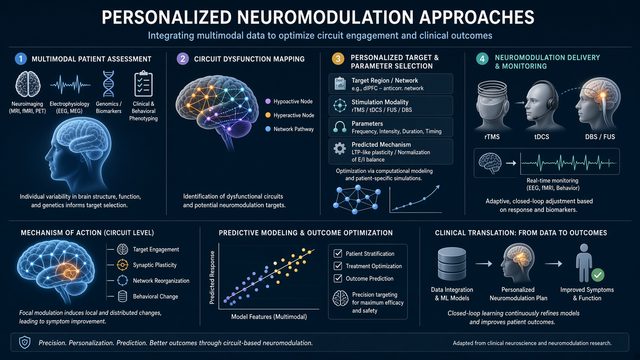
Personality traits are moderately heritable and relate to brain structure, neurotransmitters and networks. Learn what research shows about the Big Five, genetics, brain imaging and how personality changes over time.
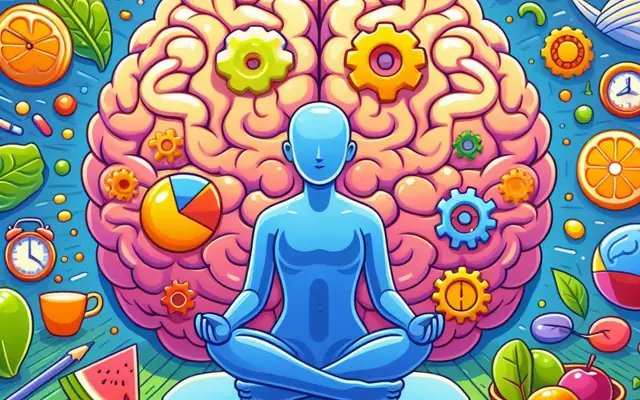
Uncertainty engages the insula, amygdala and prefrontal cortex, and intolerance of uncertainty drives anxiety. Learn how the brain predicts and updates beliefs, and how to cope with not knowing.
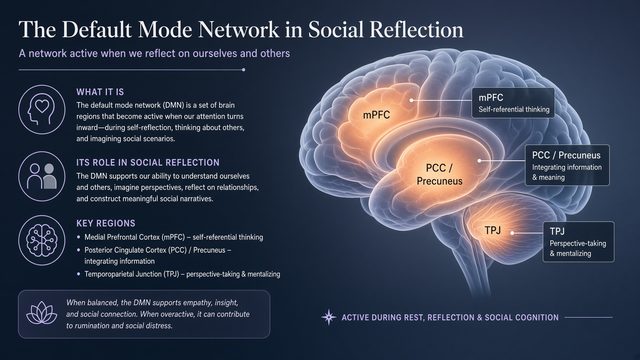
Self-esteem relates to medial prefrontal and reward circuits and shifts with social feedback. Learn what research shows about low self-esteem, depression, how it develops and evidence-based ways to build it.
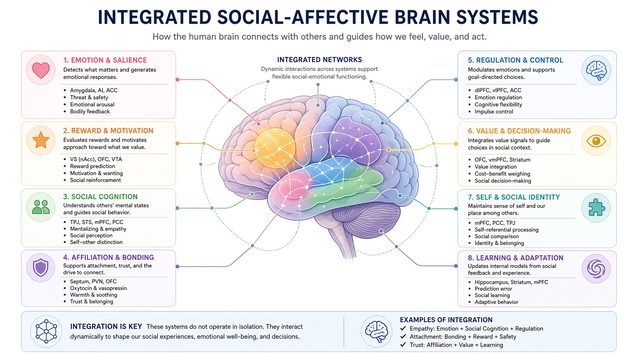
Emotional intelligence involves perceiving, understanding and regulating emotions, supported by insula, amygdala and prefrontal networks. Learn what research shows and how the skills can be trained.
Calm involves parasympathetic activity, vagal tone and prefrontal regulation. Learn how breathing, relaxation, movement and sensory strategies help settle an overactive stress response.
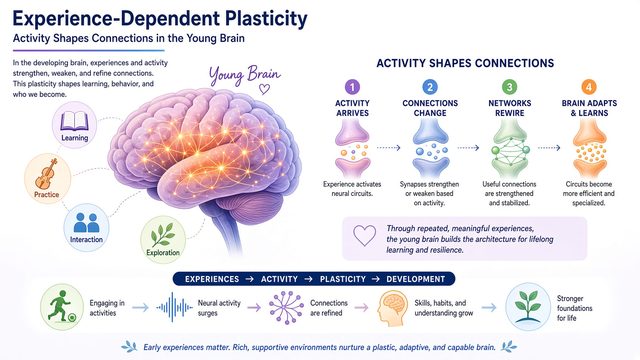
Resilience in children depends on supportive relationships, healthy stress systems and developing prefrontal skills. Learn what protects children after adversity and how adults can build resilience.
Chronic stress reshapes the amygdala, hippocampus and prefrontal cortex and shifts the body toward allostatic load. Learn what changes occur, how reversible they are and ways to recover.
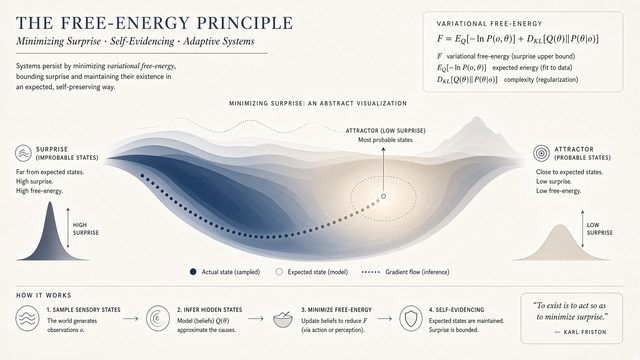
Biofeedback teaches people to control stress responses such as heart rate, breathing and muscle tension. See how it works, what the evidence shows, and how it fits with other care.
HRV biofeedback uses paced breathing to calm the body and steady emotion. Learn how it supports regulation, what studies show for anxiety and mood, and how to begin.
Neurofeedback for depression includes EEG alpha asymmetry training and fMRI approaches. Learn what trials show, the limits of the evidence and how it compares with established treatments.
Biofeedback and HRV training may reduce arousal and improve regulation in PTSD. Learn what studies show, how sessions work, safety considerations and how it fits with trauma-focused therapy.
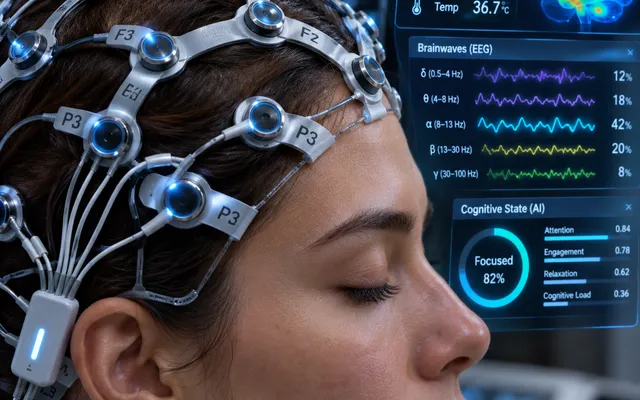
Mindfulness and biofeedback are complementary: one trains attention and acceptance, the other gives real-time physiological feedback. Learn how to combine them, what studies show and example practices.
Biofeedback teaches people to notice and lower physiological arousal before anger escalates. Learn how HRV, EMG and breathing training support anger control, what evidence exists and practical steps.
More articles in this topic are being added. Meanwhile, see the neurology clinic directory.