
Sleep
The Science of Sleep: What Happens While You Dream
Sleep is an active state with distinct stages and vital brain functions. Learn how the brain cycles through NREM and REM sleep, what each stage does, and how much you need.
Sleep is active, organized brain work, not downtime. Here you will find clear explanations of sleep stages, circadian timing, dreams, insomnia and sleep disorders, plus habits and tools that support deeper rest and better daytime thinking.
Sleep is an active state with distinct stages and vital brain functions. Learn how the brain cycles through NREM and REM sleep, what each stage does, and how much you need.
Sleep moves through light, deep and REM stages in repeating cycles. Learn what each stage does, how the cycles change across the night, and why the structure matters.

Your circadian rhythm is a roughly 24-hour internal clock that times sleep, hormones and alertness. Learn how it works, what disrupts it, and how to keep it in sync.
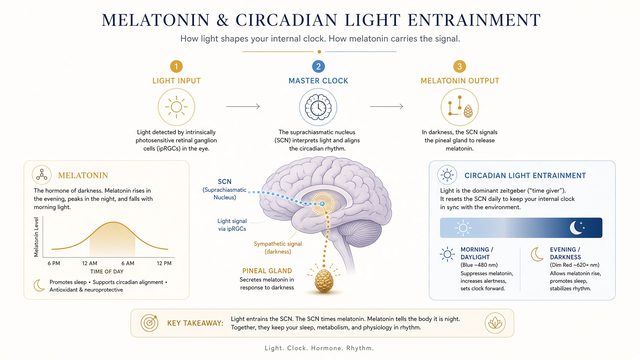
Light is the main signal that sets your body clock. Learn how morning and evening light, blue light from screens and light at night influence sleep, mood and brain health.
Melatonin signals nighttime to the brain and body but is not a sedative. Learn how it works, when supplements help, dosage cautions and how to support natural production.
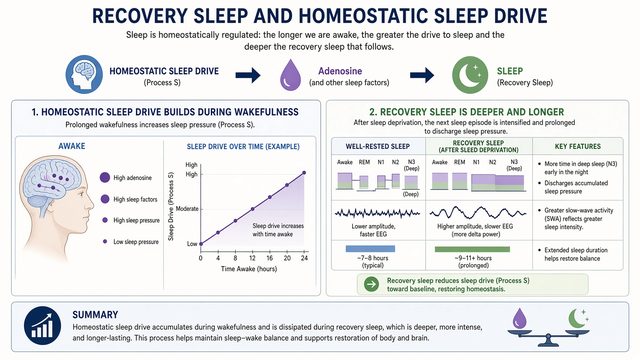
Missing sleep impairs attention, memory, mood and decision-making. Learn how sleep loss affects the brain, the risks of drowsy driving and how to recover.
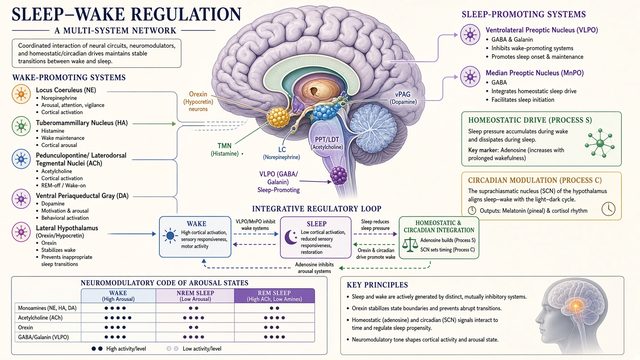
The glymphatic system moves fluid through the brain to clear waste, and appears most active during sleep. Learn what is established, what is still uncertain, and what it means for sleep.

Why do we dream? Explore leading scientific theories on memory, emotion and threat simulation, what brain imaging shows, and what dreams can and cannot tell you.
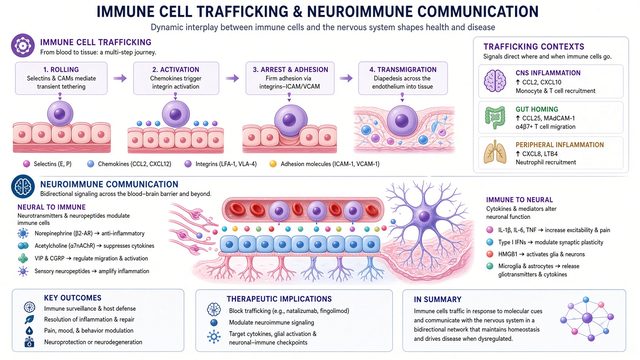
Lucid dreaming means knowing you are dreaming while it happens. Learn what brain imaging shows about prefrontal activity, how techniques like reality testing work, and the benefits and risks.
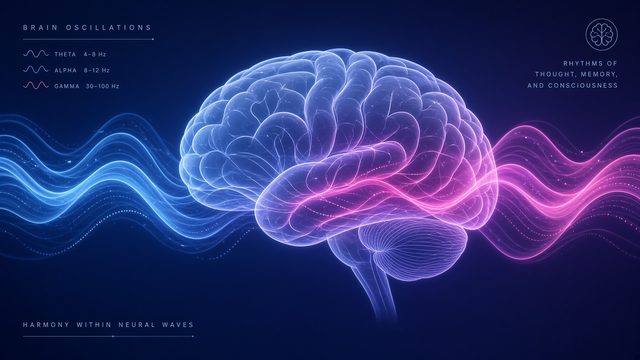
Insomnia is more than a bad night. Learn how hyperarousal and habits keep it going, and why cognitive behavioral therapy for insomnia is the recommended first treatment.
Obstructive sleep apnea disrupts oxygen and sleep, affecting attention, memory, mood and dementia risk. Learn the symptoms, brain effects, diagnosis and treatments such as CPAP.
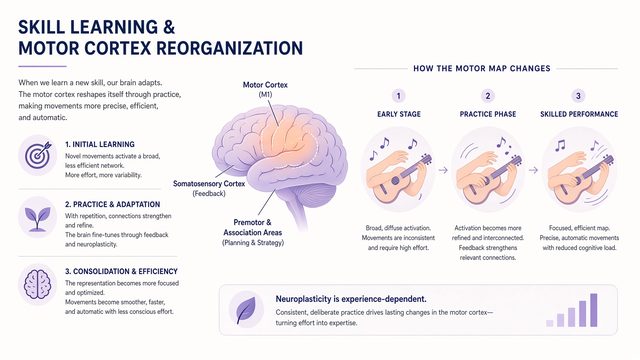
Naps can boost alertness, mood and memory, but timing and length matter. Learn what sleep science says about nap duration, sleep inertia, caffeine naps and when napping signals a problem.
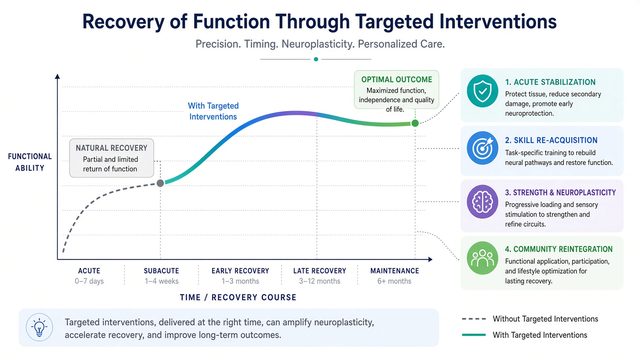
Jet lag results from a mismatch between the body clock and local time. Learn how the suprachiasmatic nucleus adjusts, how light and melatonin help, and practical strategies for travelers.
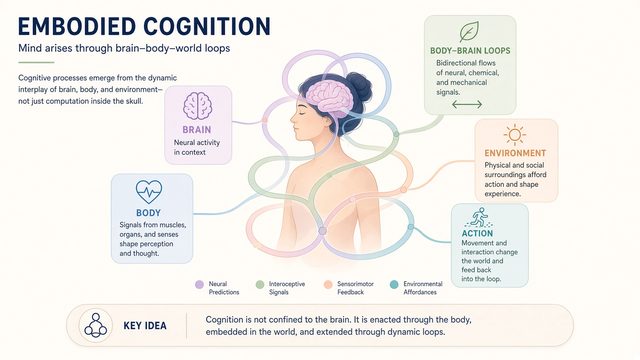
Night and rotating shifts disrupt circadian rhythms, sleep and cognition. Learn about health risks, brain effects and strategies to protect sleep, alertness and long-term cognitive health.
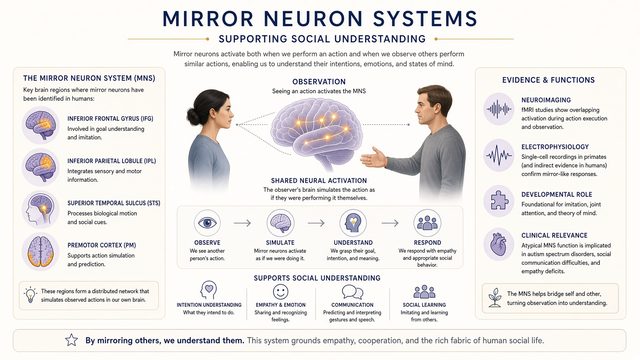
Sleepwalking arises from partial arousal out of deep non-REM sleep. Learn how the brain can be part awake and part asleep, who is at risk, how to keep people safe and when to seek treatment.
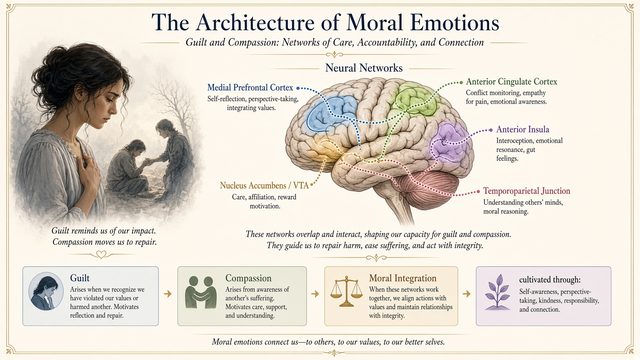
Sleep, especially REM, regulates emotional reactivity and processes memories of emotional events. Learn how sleep loss affects the amygdala and prefrontal cortex, and how sleep supports emotional health.
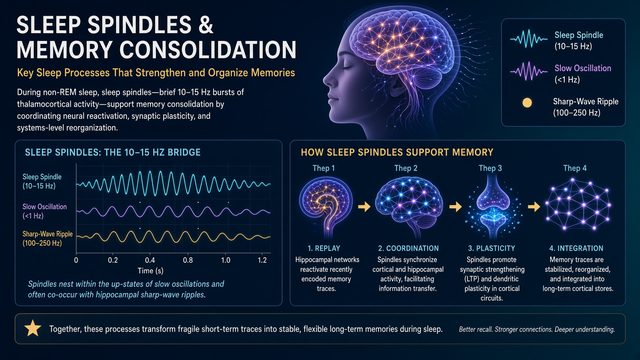
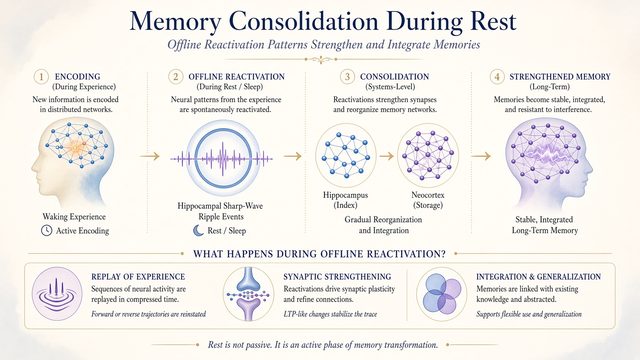
During sleep the brain replays and strengthens new memories. Learn the roles of slow waves, spindles and REM in consolidation, what studies show and how to use sleep to learn better.
Adenosine builds up during wakefulness and creates sleep pressure. Learn how it works with the circadian clock, how caffeine blocks it, and what it means for naps, sleep debt and insomnia.
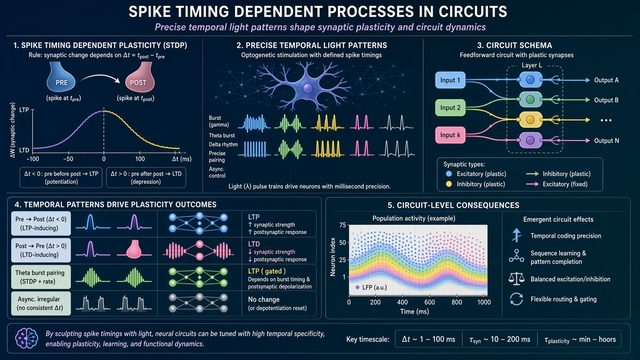
Caffeine blocks adenosine and boosts alertness but can disrupt sleep and fuel anxiety. Learn about timing, tolerance, dose, health effects and how to use caffeine wisely.
Alcohol may help you fall asleep but fragments sleep, suppresses REM and worsens breathing. Learn how alcohol affects sleep architecture, memory, mood and what to do instead.
Sleep hygiene means habits and environments that support good sleep. See which tips are backed by evidence, which are myths, and how to build a routine that works.
Sleep problems and depression feed each other. Learn how insomnia predicts depression, how REM sleep changes in depression, and how treating sleep helps mood.
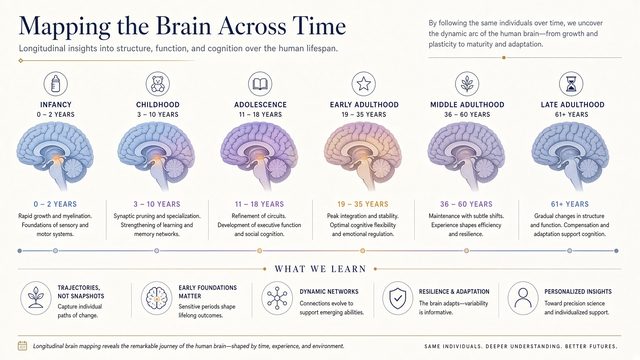
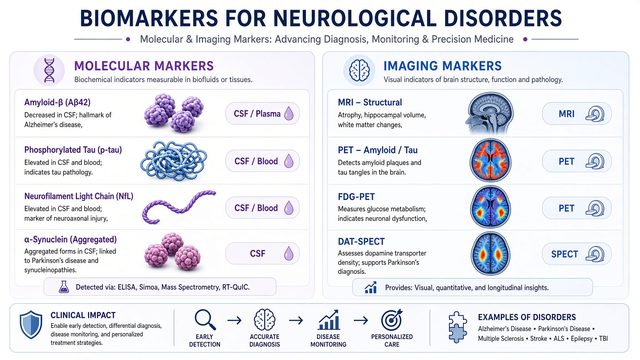
Sleep changes with age, with less deep sleep and more fragmentation. Learn how sleep relates to cognitive decline, amyloid clearance, dementia risk and ways to protect sleep in later life.
Most adults need seven to nine hours, but needs vary by age and genetics. Learn what research says about short sleepers, long sleepers, sleep debt and how to tell whether you are getting enough.
CBT-I is the first-line insomnia treatment, retraining arousal, thoughts and habits. Learn how sleep restriction, stimulus control and medications work and what research shows about brain effects.
Wearable sleep trackers estimate sleep from movement and heart rate. Learn how accurate they are, what they cannot measure, and how to use data without becoming anxious about sleep.

Trauma can disrupt REM sleep and cause nightmares and intrusive dreams. Learn how REM processes emotional memory, what goes wrong in PTSD, and treatments like imagery rehearsal and prazosin.
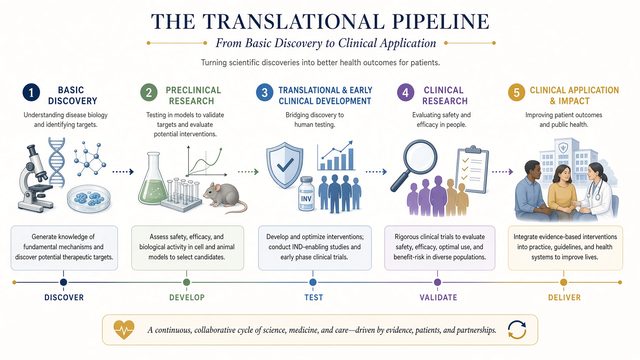
The brain switches between sleep and wake through mutual inhibition of arousal and sleep-promoting circuits. Learn about the hypothalamus, brainstem, orexin and sleep inertia.
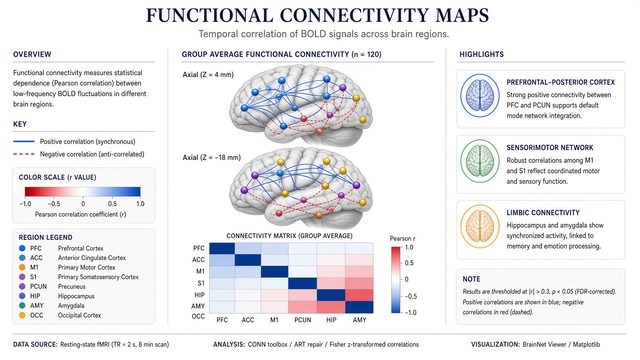
Sleep strengthens immune defenses, and sleep loss raises inflammation and infection risk. Learn how the brain and immune system communicate, what studies show about vaccines and colds, and tips for immune-friendly sleep.
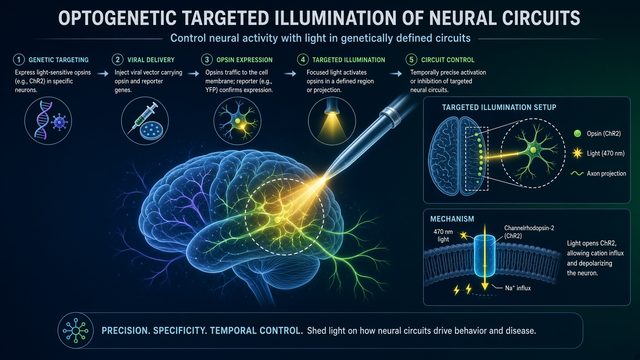
Morning light sets the circadian clock, boosts alertness and improves sleep. Learn how melanopsin cells work, how much light helps, and practical tips for using sunlight and light therapy.

Screens may affect sleep through light, stimulation and displacement of sleep time. Learn what research actually shows about blue light, night mode and practical screen habits for better sleep.

Sleep supports creative insight by restructuring memories and linking distant ideas, especially in REM. Learn what experiments show and how to use sleep and downtime to solve problems.
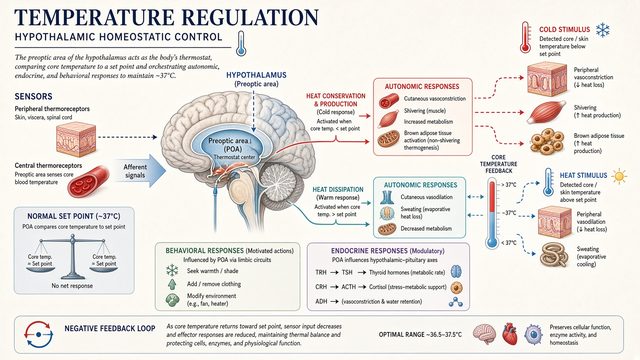
Core body temperature falls at sleep onset and reaches its minimum before waking. Learn how the hypothalamus controls temperature, why warm feet and cool rooms help sleep, and tips for hot sleepers.
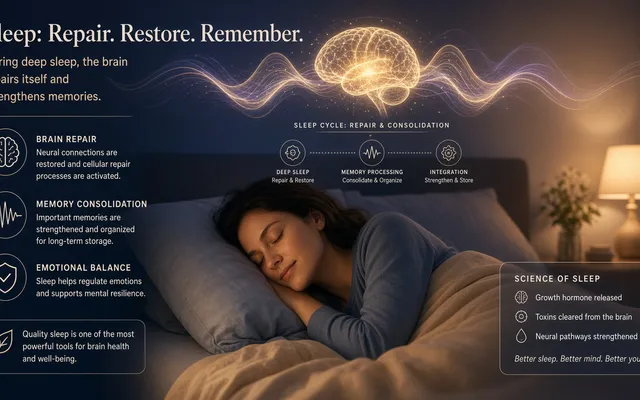
Pain disrupts sleep and poor sleep amplifies pain by altering brain pain-processing. Learn about the vicious cycle, what studies show and how CBT-I, exercise and other strategies break it.
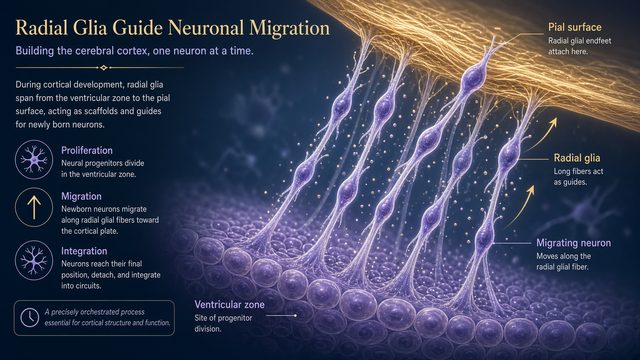
Nightmares arise mainly from REM sleep when emotional circuits are active and regulation is weak. Learn what triggers them, how they differ from night terrors, and treatments that work.
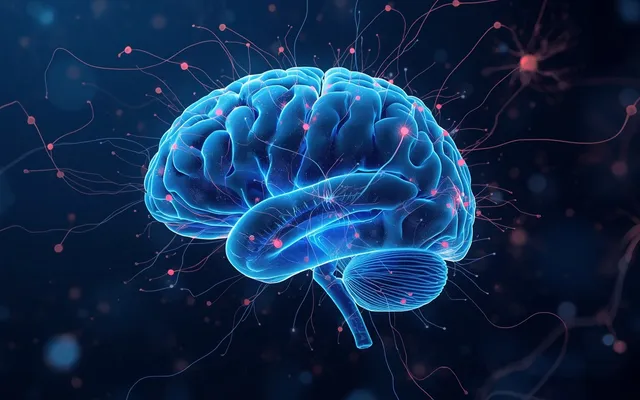
Sleep paralysis happens when REM muscle atonia persists after waking, often with hallucinations. Learn the brain mechanism, risk factors, why it feels terrifying and how to reduce episodes.
Restorative sleep restores energy, clears waste and rebalances synapses. Learn what happens in slow wave and REM sleep, why you can sleep long yet feel unrested, and how to improve sleep quality.

The suprachiasmatic nucleus is the brain's master clock, using clock genes and light input to coordinate 24-hour rhythms. Learn how it works, what disrupts it and how to keep it in sync.
Seasonal affective disorder involves depression in winter linked to reduced light and circadian misalignment. Learn symptoms, causes, light therapy, CBT and medication options.
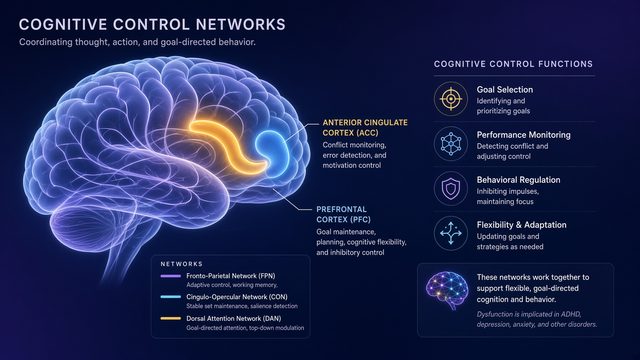
Crossing time zones disrupts alertness, memory and decision-making for days. Learn how long cognitive effects last, who is most affected, and how to plan travel to perform at your best.
Sleep supports reaction time, accuracy, endurance, injury prevention and recovery in athletes. Learn what research shows about sleep extension, napping, travel and strategies for training and competition.
Falling asleep requires lowering arousal, quieting the default mode network and withdrawing from the senses. Learn what happens in the brain at sleep onset and relaxation techniques that help.
Sleep problems are very common in ADHD, and poor sleep can mimic or worsen ADHD symptoms. Learn about delayed circadian rhythms, restless legs, medication effects and practical treatments.
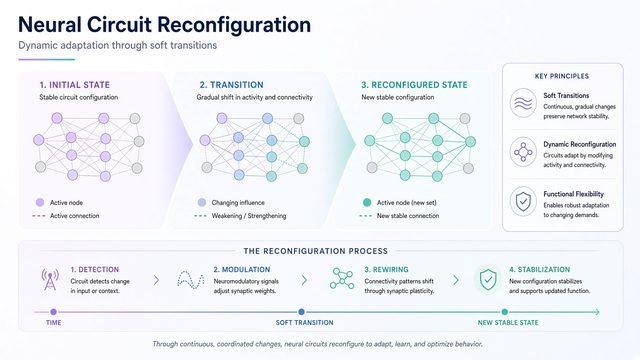
The brain switches between wake, non-REM and REM sleep through interacting circuits in the hypothalamus and brainstem. Learn how orexin, GABA and neuromodulators control state transitions and what goes wrong in sleep disorders.
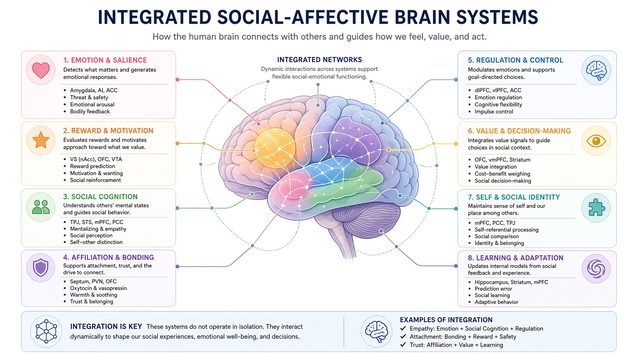
Sleep, especially REM and slow wave sleep, selectively strengthens emotional memories and reduces their distress. Learn what experiments show, what happens in PTSD and how to use sleep after emotional events.
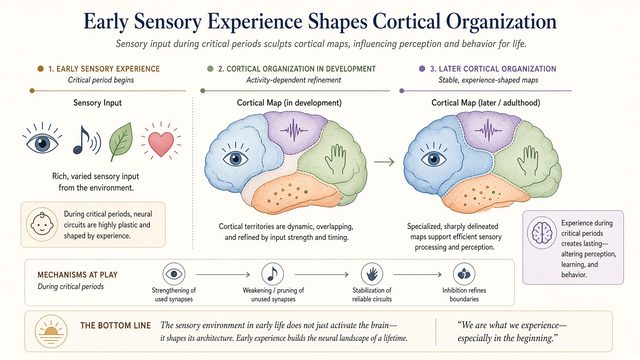
Children need more sleep than adults, and sleep supports attention, memory and learning in school. Learn how much sleep each age needs, what sleep loss does and tips for parents and teachers.

Brief naps of 10 to 30 minutes improve alertness, reaction time and learning. Learn the science of nap length, sleep inertia and caffeine naps, and how to build naps into a performance routine.
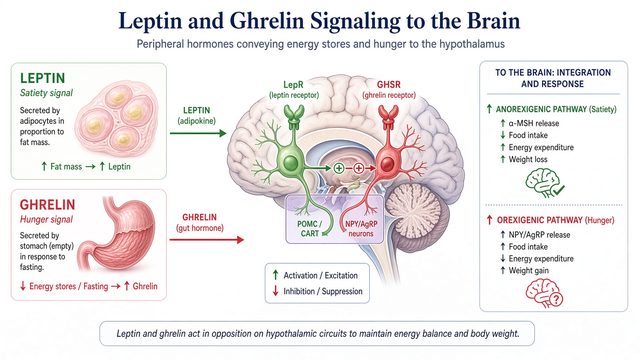
Short sleep alters appetite hormones, reward responses and energy use, raising obesity risk. Learn how the brain links sleep to hunger and what sleep habits support healthy weight.
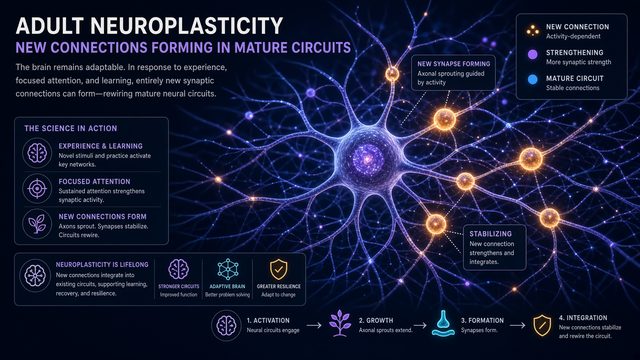
Dream recall varies by person and depends on brain activity, sleep stage, awakenings and attention. Learn why some people remember dreams and how to improve recall with simple habits.
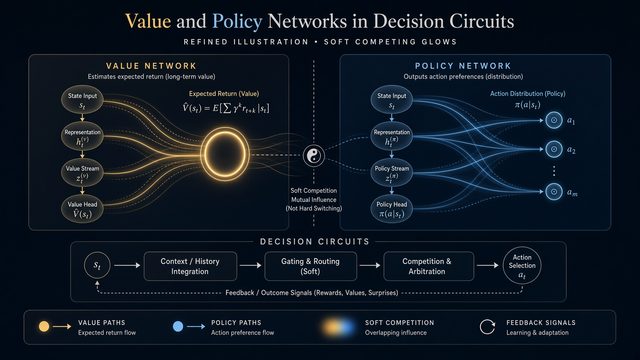
Sleep deprivation impairs judgment, risk assessment and emotional control, leading to riskier and poorer decisions. Learn the brain mechanisms and how to protect decision quality.
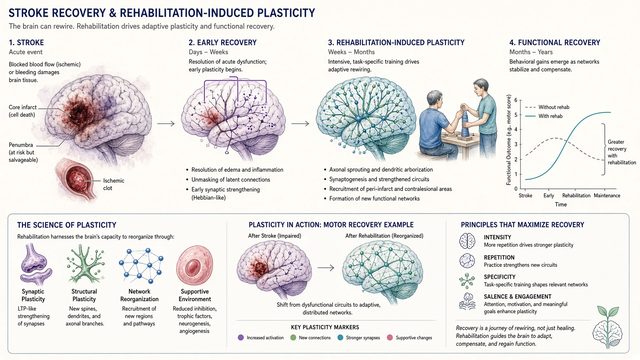
Sleep debt accumulates when you sleep less than you need. Learn what recovery sleep does, how long it takes, why weekend catch-up is only partly effective and how to repay debt safely.
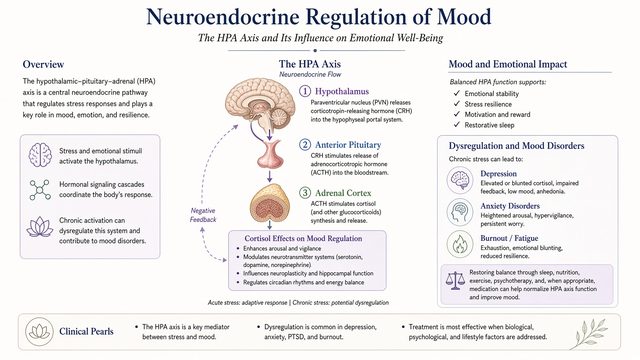
Sleep problems both precede and result from depression, bipolar disorder and anxiety. Learn how the relationship works, why treating sleep helps mood and how clinicians approach both together.
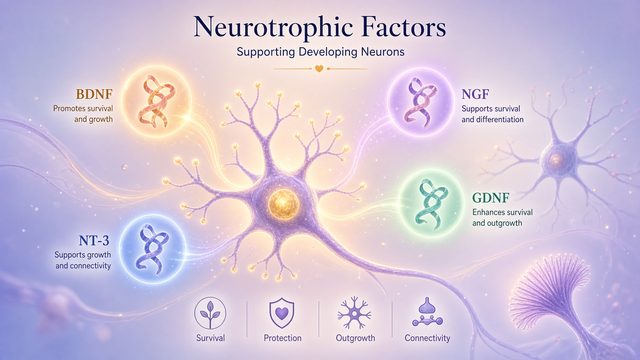
Bedtime routines signal the brain to wind down through conditioning, lowered arousal and circadian cues. Learn what makes an effective routine for children and adults, backed by research.
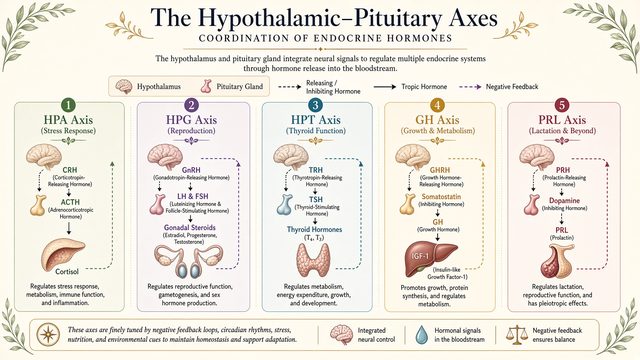
Sleep and the circadian clock shape cortisol, melatonin, growth hormone, sex hormones, thyroid and appetite hormones. Learn how disrupted sleep affects hormonal health, and tips for supporting balance.
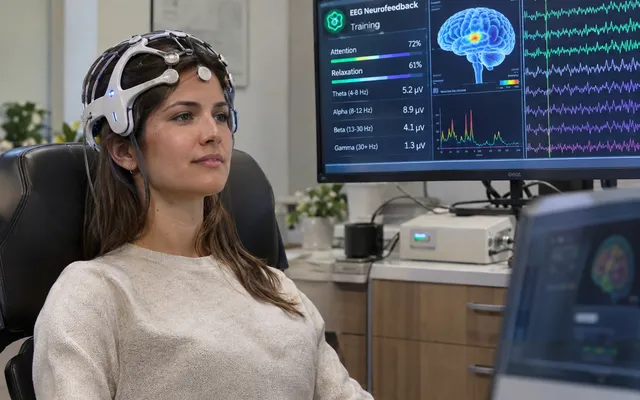
Biofeedback can help reduce the physical tension and arousal that keep people awake. Learn which methods are used, what research suggests, and how they fit with CBT for insomnia.
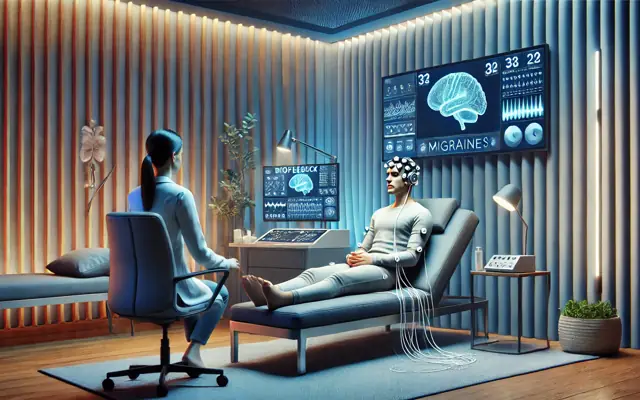
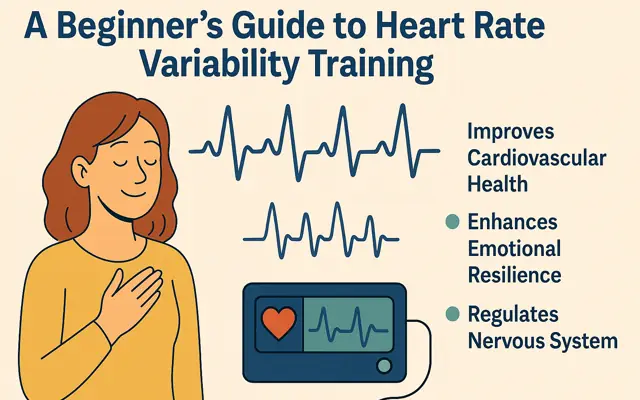
Heart rate variability reflects how well your body shifts into rest at night. Learn how HRV relates to sleep, what wearables measure, and how HRV biofeedback may help.
Neurofeedback for insomnia trains SMR and other EEG rhythms. Learn what studies show, how it compares with CBT-I, the quality of the evidence and what to ask providers.
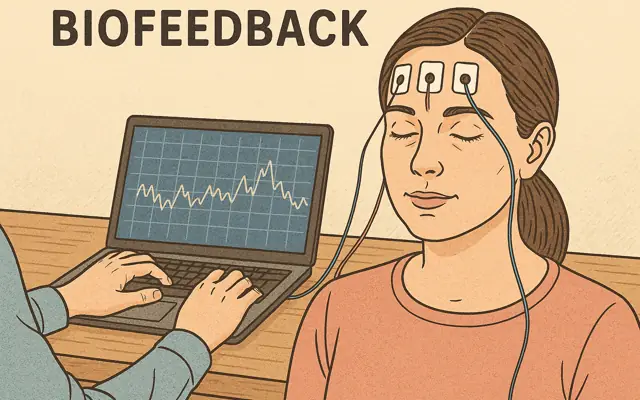
Biofeedback can help travelers relax, sleep on arrival and monitor adjustment. Learn how HRV, breathing and temperature feedback support jet lag management alongside light and timing strategies.
Relaxation training such as progressive muscle relaxation, breathing and imagery lowers arousal and improves sleep. Learn how to combine it with sleep hygiene basics for lasting results.
Biofeedback cannot reset the body clock, but it can support circadian health by improving sleep, tracking rhythms and reducing stress. Learn practical uses alongside light, timing and sleep therapy.
More articles in this topic are being added. Meanwhile, see the neurology clinic directory.