
Aging
How the Brain Ages: Normal Changes and What to Expect
The brain changes gradually with age, but major memory loss is not inevitable. Learn what is normal, what is not, and which habits are linked to healthier aging.
Aging changes the brain, but dementia is not inevitable. This section covers normal aging, Alzheimer disease, Parkinson disease and other conditions, risk factors you can influence, screening, caregiving and the research shaping future treatment.
The brain changes gradually with age, but major memory loss is not inevitable. Learn what is normal, what is not, and which habits are linked to healthier aging.

Normal aging, mild cognitive impairment and dementia are different. Learn how they are distinguished, what causes dementia, and which causes of memory loss are treatable.

Alzheimer's disease involves amyloid plaques, tau tangles and progressive loss of brain cells. Learn how it develops, who is at risk, and what treatments exist today.

Early Alzheimer's signs go beyond occasional forgetfulness. Learn the warning signs, how they differ from normal aging, and what to do if you notice them.
Parkinson's disease results from loss of dopamine-producing neurons and causes tremor, stiffness and slowed movement. Learn the symptoms, causes and treatments, including exercise.
Lewy body dementia causes thinking problems, visual hallucinations, movement symptoms and fluctuating alertness. Learn its symptoms, diagnosis, treatment cautions and caregiver tips.
Vascular dementia results from reduced blood flow to the brain, often after strokes or small vessel disease. Learn its symptoms, risk factors, prevention and management.
Frontotemporal dementia affects the frontal and temporal lobes, causing changes in behavior, personality or language, often before age 65. Learn the types, symptoms and care options.
Genes influence Alzheimer's risk, from rare mutations that cause early-onset disease to APOE variants that raise late-onset risk. Learn what genetic testing means and does not mean.
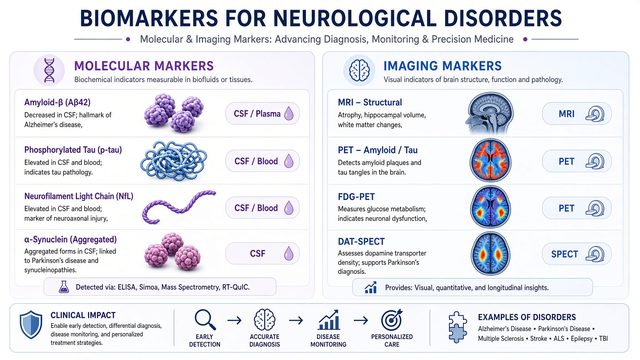
Biomarkers in blood, spinal fluid and imaging can detect Alzheimer's and other brain diseases years before symptoms. Learn what they measure and their promise and limits.
No proven way guarantees prevention, but managing blood pressure, hearing, activity, sleep and more may lower risk. Learn what the Lancet Commission, FINGER and other studies show about prevention.
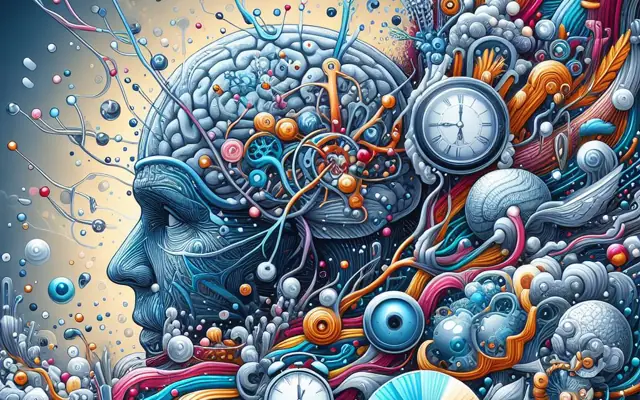
Does exercise reduce dementia risk? Learn what cohort studies and trials show about aerobic and resistance training, brain volume, how much to do, and what to try if you have limited mobility.
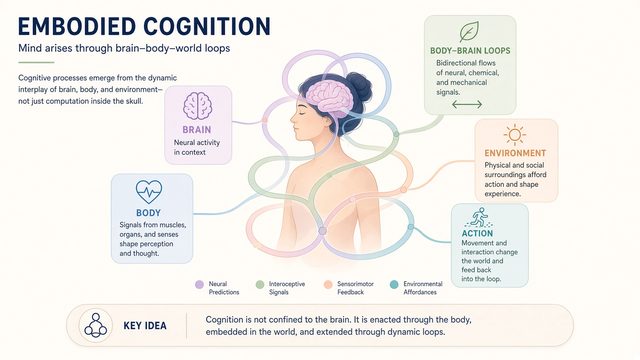
Cognitive reserve explains why some people stay sharp despite brain changes. Learn how education, complex work, bilingualism and social engagement build resilience, and how to strengthen your own.
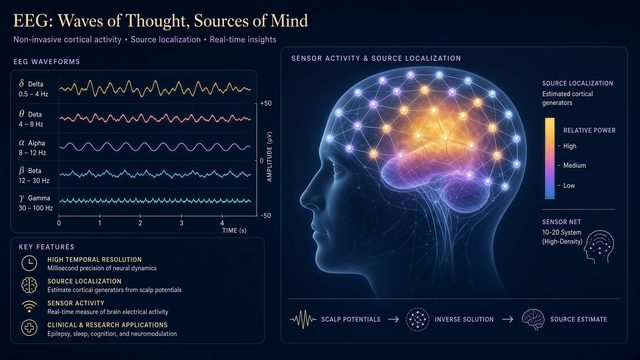
Super-agers over 80 have memory like people decades younger. Learn what Northwestern research found about their brain structure, lifestyle, genetics and what the rest of us can borrow.
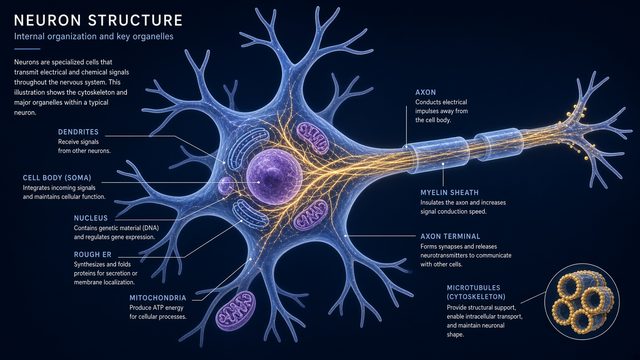
Longevity research links aging biology to the brain through insulin signaling, inflammation, mitochondria and sleep. Learn what studies say, what lengthens lifespan in animals and what helps people.
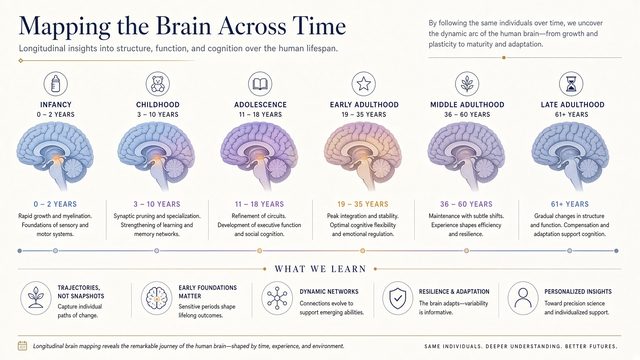
Telomeres cap chromosomes and shorten with age, and short telomeres are linked to some brain conditions. Learn what research suggests, why the evidence is mixed and what may protect telomeres.
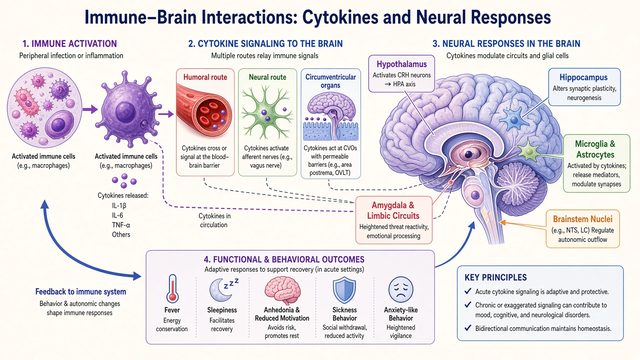
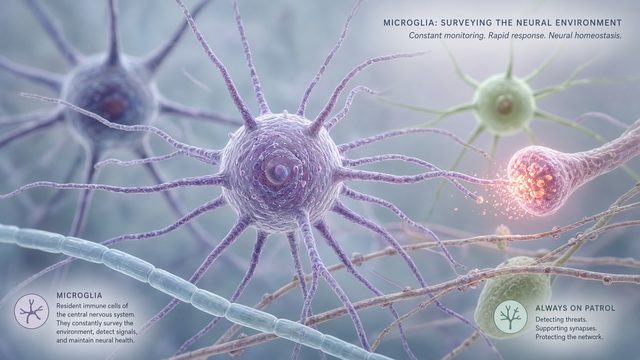
Chronic inflammation involving microglia and cytokines contributes to Alzheimer's, Parkinson's and other diseases. Learn how inflammation harms neurons, what studies show and how to lower risk.

The amyloid hypothesis holds that beta-amyloid drives Alzheimer's. Learn how the idea evolved, what antiamyloid drugs like lecanemab achieved, the controversies and what comes next.
Tau protein stabilizes neurons, but in Alzheimer's it forms tangles that spread and track with symptoms. Learn how tau works, how it is detected and how researchers are targeting it.
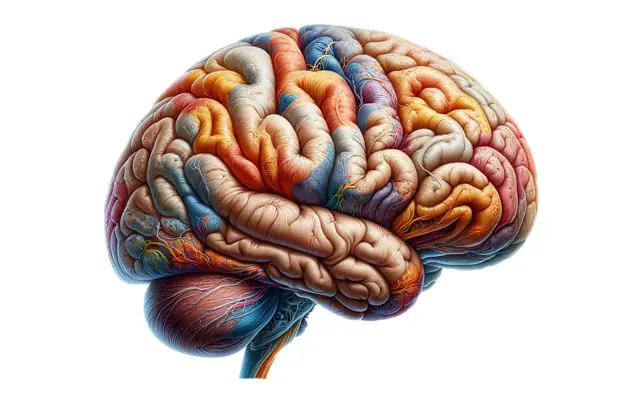
The aging brain retains plasticity, remyelination and some neurogenesis. Learn how repair mechanisms work, how they change with age and what supports recovery after injury or illness.
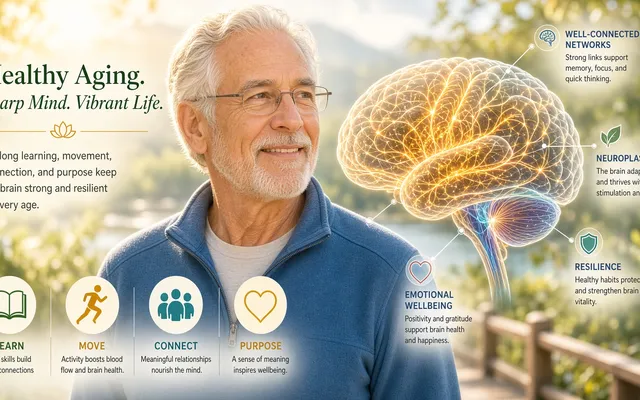
Untreated hearing loss is a leading modifiable risk factor for dementia. Learn how hearing and cognition are linked, what the ACHIEVE trial found, and how to get tested and treated.
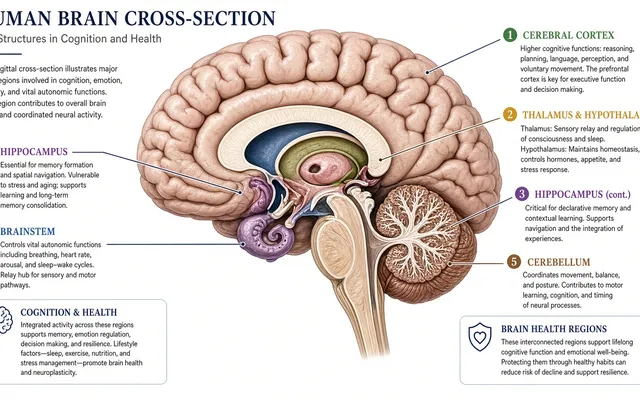
Vision loss from cataracts, glaucoma, macular degeneration and diabetic eye disease is linked to cognitive decline. Learn how eyes and brain connect, and why eye exams and treatment matter.
People with type 2 diabetes have higher risk of Alzheimer's and vascular dementia. Learn how blood sugar, insulin resistance and blood vessels affect the brain, and how control may help.

High blood pressure damages brain blood vessels and raises risk of stroke, small vessel disease and dementia. Learn what SPRINT MIND showed, target ranges, and how to lower blood pressure.

LDL cholesterol is a modifiable dementia risk factor, but the picture with statins is nuanced. Learn how cholesterol affects brain vessels, what studies show and how to manage cholesterol safely.
Frailty combines weakness, slow walking and low reserve, and it overlaps with cognitive decline. Learn the brain mechanisms, why gait speed matters and how exercise, nutrition and care can help.
Memory loss and slowed processing can make driving unsafe. Learn warning signs, how assessments work, how to talk with a loved one, and alternatives that preserve independence.
Caregiving changes the caregiver's brain and body through chronic stress. Learn how dementia affects behavior, how caregivers can reduce stress, and what supports and respite help.
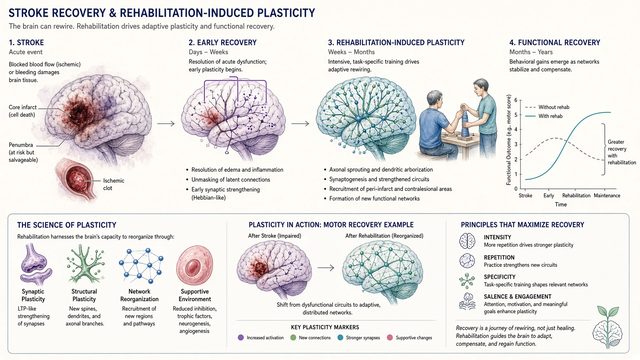
Music can reach people with dementia when words fail. Learn how musical memory is preserved, what studies show about mood, agitation and memory, and how to use music at home.
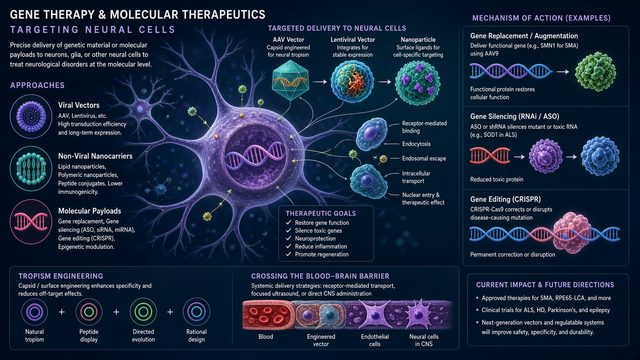
Reminiscence therapy uses photos, objects and stories to stimulate memory and mood in older adults and people with dementia. Learn how it works, what studies show and how to do it well.
Brain autopsies confirm diagnoses and reveal hidden pathology. Learn what neuropathologists find, how brain donation advances research, and what the process involves for families.
Huntington's disease is an inherited disorder caused by a gene repeat that damages the striatum. Learn the symptoms, genetics, testing, current care and promising research on huntingtin-lowering therapies.
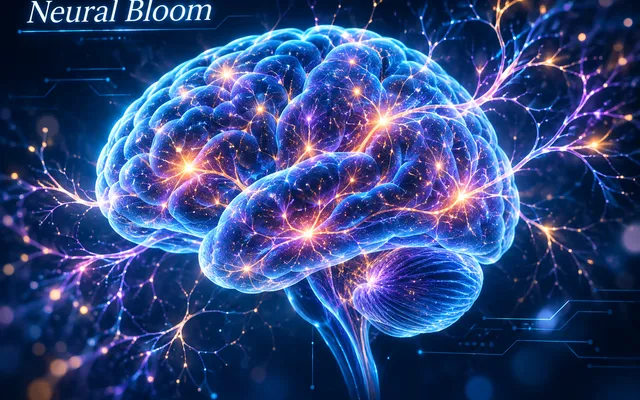
ALS attacks the motor neurons that control muscles. Learn the symptoms, causes including genetics, diagnosis, approved treatments, supportive care and the research under way.
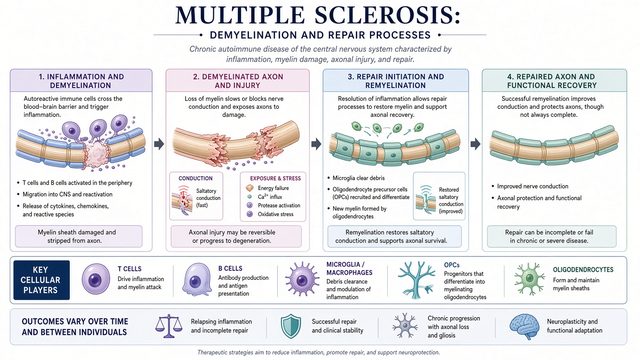
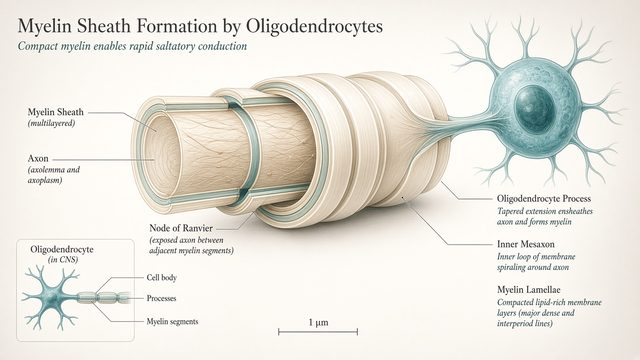
Multiple sclerosis is an immune-mediated disease that damages myelin in the brain and spinal cord. Learn symptoms, diagnosis, disease-modifying therapies, lifestyle factors and cognitive effects.

The brain rewires after stroke, and rehabilitation can drive recovery for months or years. Learn how plasticity works, what therapies help most, how to maximize recovery and the role of emerging technology.

A traumatic brain injury can have effects that last years. Learn about severity levels, long-term cognitive, emotional and physical outcomes, dementia risk, and rehabilitation and support.
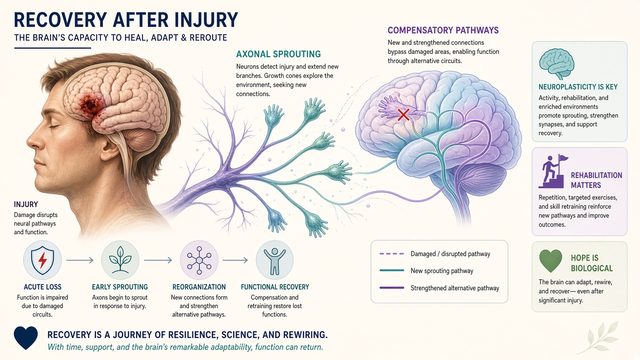
Most concussions improve within weeks, and rest followed by gradual activity speeds recovery. Learn what happens in the brain, current return-to-play guidance and when to seek help.
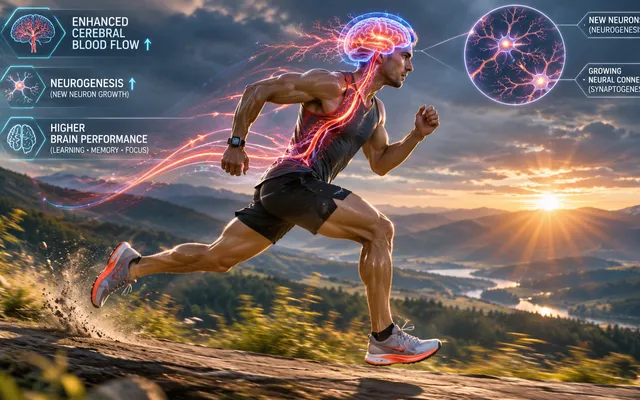
CTE is a brain disease linked to repetitive head impacts and diagnosed only at autopsy. Learn what the pathology shows, the symptoms reported, the debates, and how risk may be reduced.

Estrogen influences memory, mood and brain metabolism, and menopause brings brain changes. Learn what research shows about cognition, hormone therapy timing, dementia risk and ways to support the brain.

Testosterone declines gradually with age and influences mood, energy and cognition. Learn what research shows about low testosterone, brain function, supplementation trials and risks.
Sleep changes with age, with less deep sleep and more awakenings. Learn how aging reshapes sleep architecture, links to memory and dementia, common sleep disorders and how to sleep better.
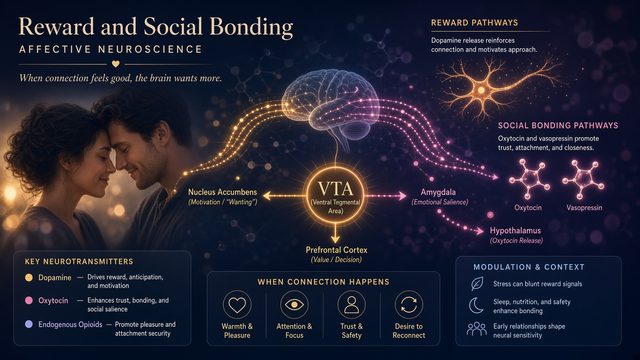
Social skills, emotion regulation and empathy change with age in ways that are often positive. Learn what research shows about the aging social brain, the positivity effect, social cognition and protective social habits.
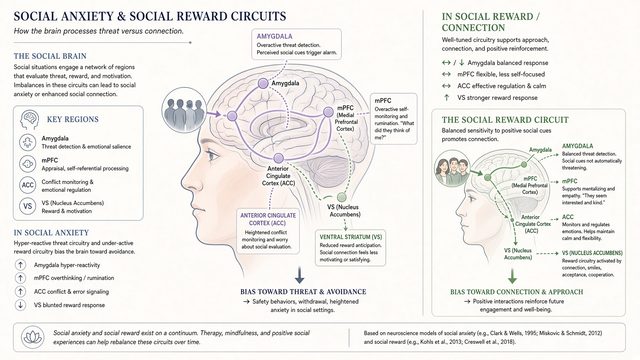
Loneliness and social isolation raise the risk of dementia, depression and heart disease. Learn how they affect the brain, what studies show and practical ways to build connection.
Learning new skills in later life builds connections, and may add cognitive reserve. Learn what the Synapse Project and other studies found, which activities work best and how to start.
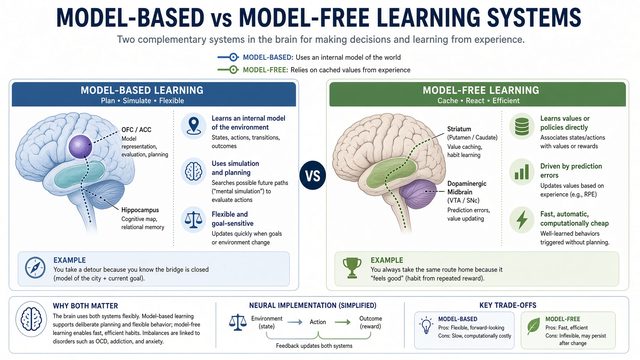
What actually helps your memory and thinking? Learn evidence-based habits including exercise, sleep, diet, hearing care, social connection and learning, and which popular tips lack support.
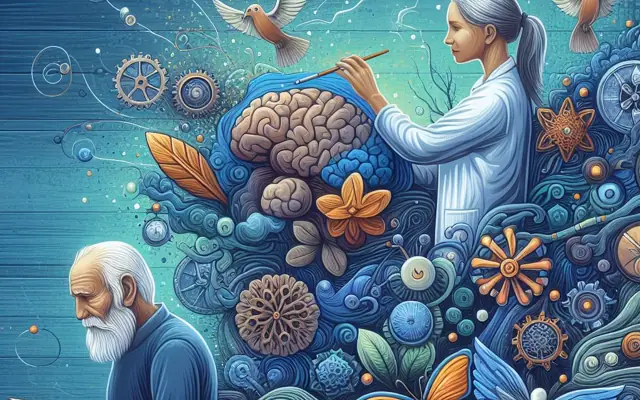
A brain health checkup reviews memory, mood, sleep, vascular risks, hearing and medications. Learn what happens in an evaluation, which tests are used and how to prepare.

Tools like the MoCA, Mini-Cog and MMSE screen for cognitive impairment. Learn how they work, what scores mean, their limits, and what happens after a result.
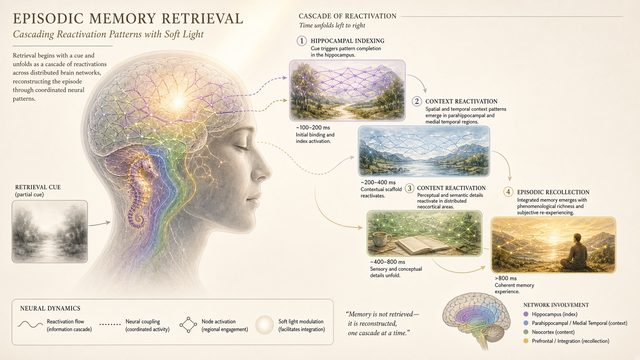
Worried about memory? Learn how to prepare for the visit, what to say, what questions to ask and how to involve family, so concerns are taken seriously and evaluated properly.

Family caregivers support people with brain conditions and shape health outcomes, while also facing risks themselves. Learn what caregivers do, how to avoid burnout and where to find help.
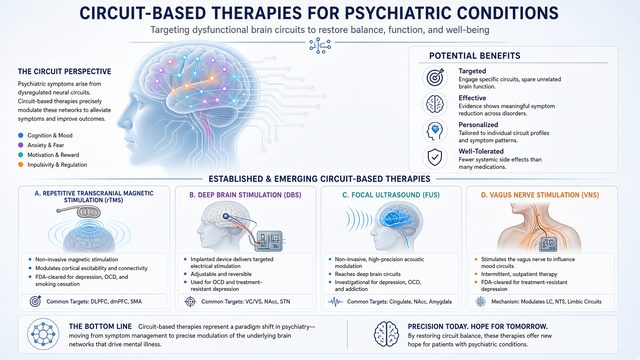
New antibody drugs, blood tests and combination strategies are changing Alzheimer's care. Learn what lecanemab, donanemab and symptom drugs do, their risks and what is in development.
Gene therapy aims to treat brain diseases by delivering, silencing or editing genes. Learn how viral vectors and antisense drugs work, approved examples, challenges and the outlook for neurodegeneration.
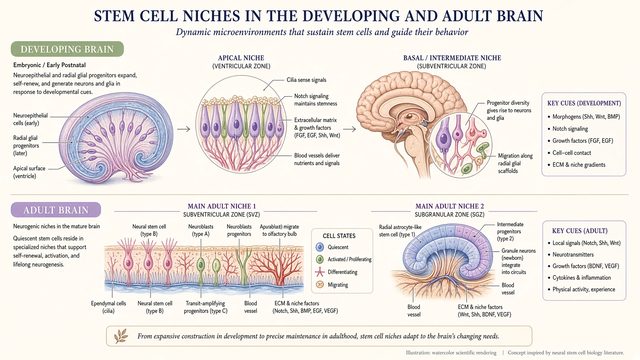
Stem cell research explores replacing lost neurons and supporting damaged tissue. Learn what has been tried for Parkinson's, stroke and spinal injury, the risks of unproven clinics and what is realistic.
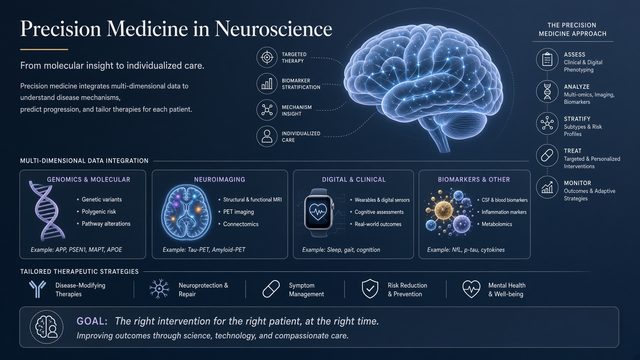
Blood tests, digital biomarkers, new drugs, brain stimulation and personalized prevention may reshape brain health. Learn which advances are closest, which are speculative and what stays the same.
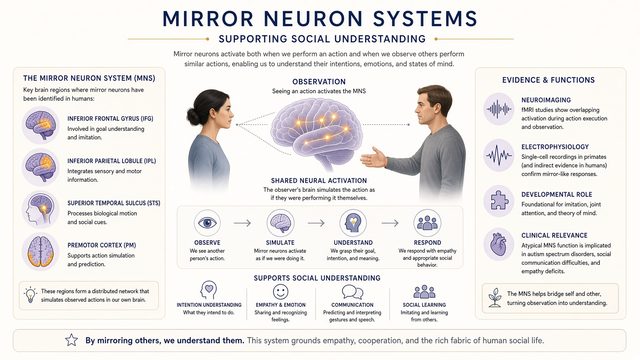
Dignity in aging means respect, autonomy and meaning, which affect mood and brain health. Learn how purpose, control, respect and person-centered care shape wellbeing in older adults and people with dementia.

Can biofeedback help with memory problems or mild cognitive impairment? Learn what current evidence suggests, which approaches are being studied, and how to avoid overpromises.
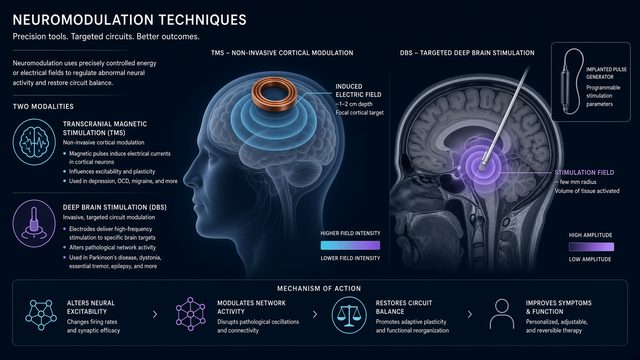
Neurofeedback trains brain activity patterns, and researchers are testing it for memory, attention and mood in older adults. Learn how it works, what trials show and how to evaluate providers.

Caring for a loved one with dementia or illness is demanding. Learn how biofeedback and related skills can help caregivers manage stress, and where to find broader support.
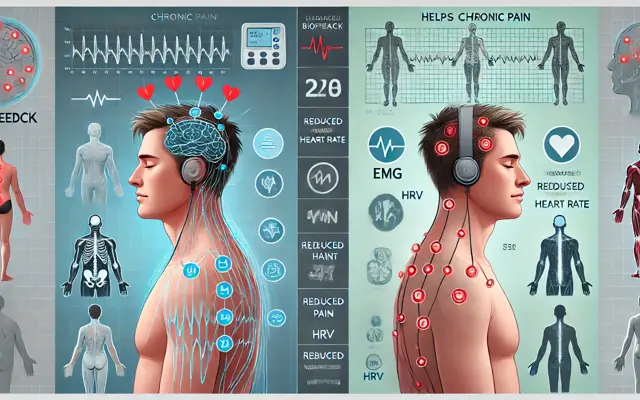
Higher heart rate variability reflects flexible autonomic control and is linked to better health outcomes. Learn what HRV means, how it relates to aging and mortality, and how to improve it.
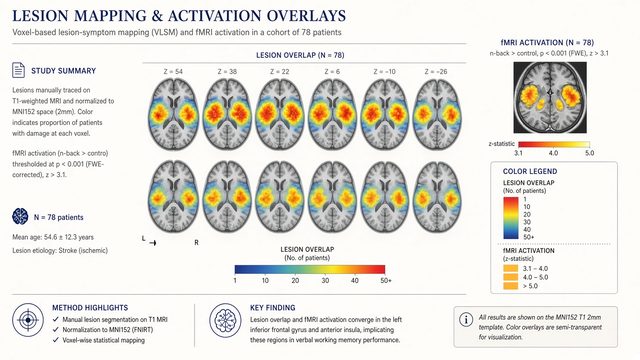
EMG, motion and brain-based biofeedback can help retrain movement after stroke. Learn how it works, what trials show for arms, legs, gait and swallowing, and how to access it.
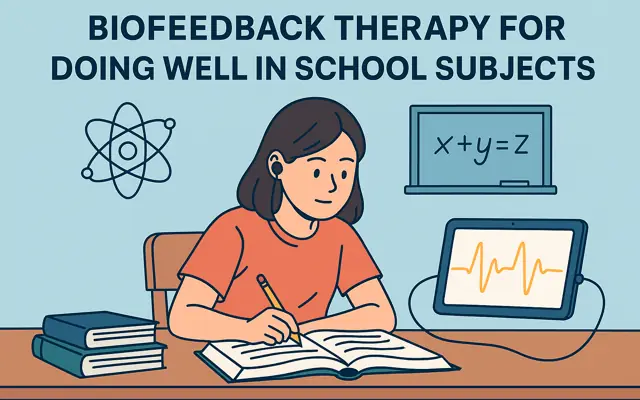
Neurofeedback and related brain training are being studied in dementia. Learn what small trials show, why evidence is limited, safety issues and how to approach claims responsibly.
More articles in this topic are being added. Meanwhile, see the neurology clinic directory.