Cognitive Rehabilitation After Brain Injury
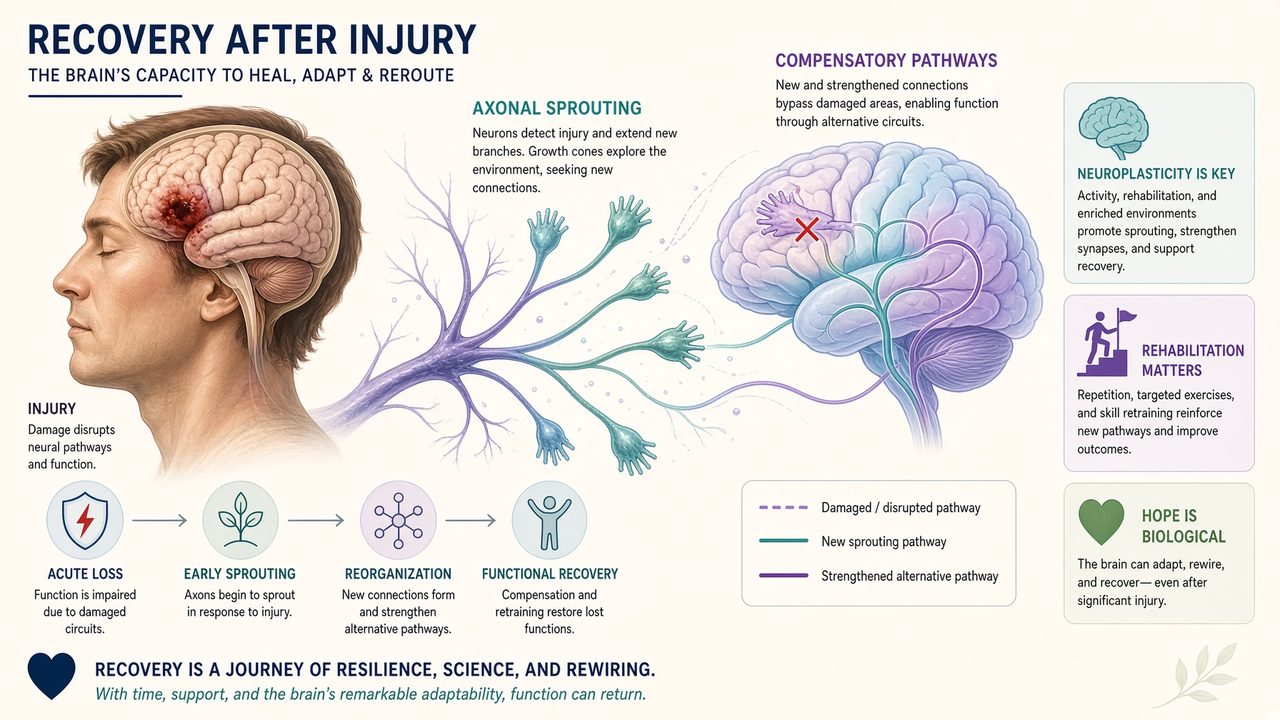
Brain injury from stroke, trauma, tumors, infection or oxygen loss often affects thinking skills, not only movement. Cognitive rehabilitation is a set of structured therapies that help people regain skills or compensate for lasting difficulties, so they can function as independently as possible.
Common cognitive problems
Attention and processing speed slow down, memory and learning suffer, and planning, problem solving, flexibility and self-monitoring can be impaired. Language, spatial awareness, and awareness of one's own difficulties may also be affected. Fatigue, mood changes, pain and sleep problems amplify cognitive difficulties.
How the brain recovers
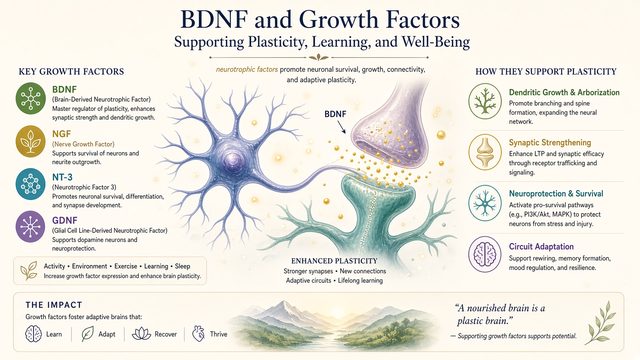
Early recovery involves resolution of swelling and restoration of blood flow, followed by neuroplasticity, in which surviving circuits reorganize and strengthen with experience. Intensive, repeated and meaningful practice drives change, a principle supported by animal research and human imaging. Recovery is typically fastest in the first months, and can continue for years.

Approaches
- Restorative training: repeated exercises that target attention, memory or executive function, sometimes using computers. Evidence suggests benefits for attention in particular, though transfer to everyday life is greater when practice is related to real tasks.
- Compensatory strategies: teaching ways to work around deficits, such as calendars, alarms, smartphone reminders, checklists, notebooks and routines. Memory aids are among the best supported strategies for people with memory impairment.
- Metacognitive strategy training: goal-management training, which teaches stopping, defining goals and checking progress, improves executive function in trials.
- Errorless learning and spaced retrieval for memory
- Environmental modifications: simplifying the home or workspace, labeling and reducing distractions
- Psychotherapy and counseling: addressing depression, anxiety, grief and adjustment
- Holistic neuropsychological rehabilitation: programs, as developed by Yehuda Ben-Yishay and Barbara Wilson, that combine cognitive training, emotional support, and social and vocational goals
- Exercise and lifestyle: physical activity, sleep and nutrition support recovery.
Evidence
Reviews, including those by the American Congress of Rehabilitation Medicine Cognitive Rehabilitation Task Force led by Keith Cicerone, found good evidence for attention training after traumatic brain injury and stroke, for memory strategy training in mild impairment, and for metacognitive strategy training in executive function, and for comprehensive holistic programs. Computerized brain training alone, without therapist guidance and everyday application, has weaker support.
Who provides it
Neuropsychologists, occupational therapists, speech-language pathologists and rehabilitation psychologists work in teams with physicians, nurses and physical therapists. Programs are provided in hospitals, outpatient clinics, community centers, and increasingly through telehealth.
How families can help
- Learn about the injury and what to expect
- Keep routines consistent
- Encourage use of strategies and tools
- Break tasks into steps and allow extra time
- Be patient and offer feedback kindly
- Support rest, since fatigue is common
- Look after your own wellbeing as a caregiver
- Join support groups such as those from brain injury associations
Getting started
Ask your doctor for a referral to a brain injury rehabilitation program, and set specific goals, such as returning to work, managing medications or cooking safely.
Takeaway
Cognitive rehabilitation retrains and supports the injured brain. Personalized goals, practice and strategies make a measurable difference.
Further reading from authoritative sources
This article is educational and does not replace advice from a licensed clinician. See the medical disclaimer. Looking for specialist care? Browse the neurology clinic directory.