Fibromyalgia and Central Sensitization
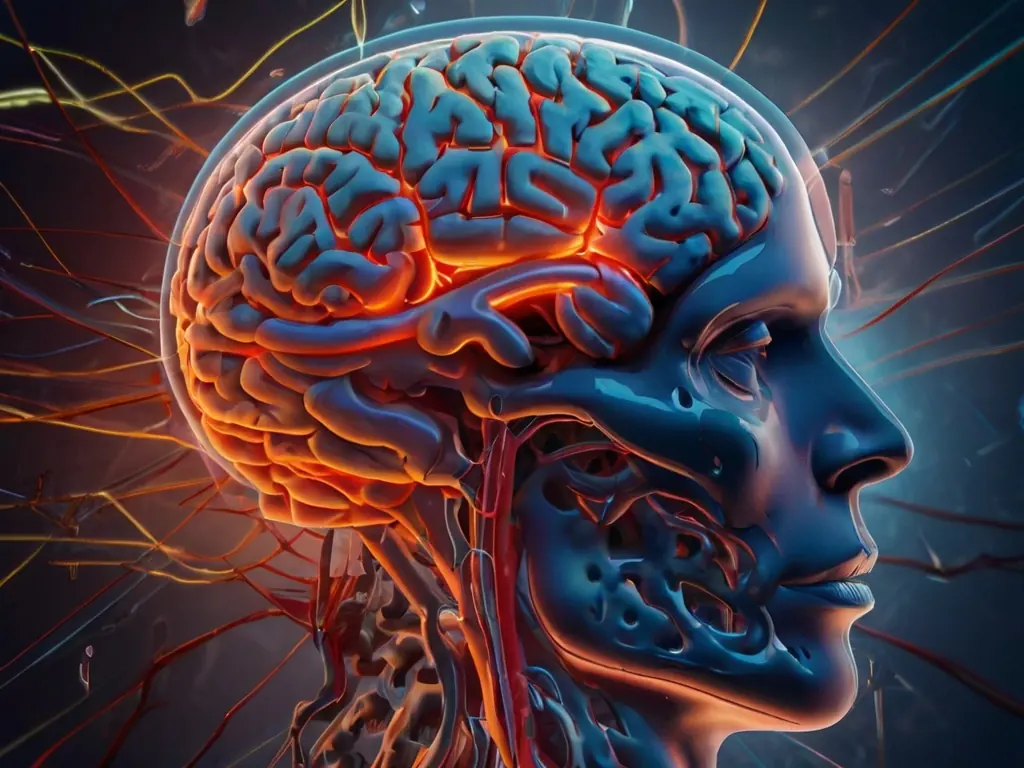
Fibromyalgia is a chronic condition characterized by widespread pain, fatigue, sleep disturbance and cognitive difficulties. It affects roughly 2 to 4 percent of people, mostly women. Its cause is not fully understood, but evidence points to altered processing of pain in the central nervous system, termed central sensitization.
Symptoms
- Widespread pain in multiple body regions, often described as aching, burning or stiffness
- Fatigue that is not relieved by rest
- Unrefreshing sleep and insomnia
- "Fibro fog": difficulty with memory, attention and word finding
- Headaches and migraine
- Irritable bowel and bladder symptoms
- Sensitivity to light, noise, odors and temperature
- Mood symptoms, including anxiety and depression
- Tingling or numbness
What happens in the nervous system
Research shows that people with fibromyalgia tend to have:
- Lower pain thresholds and heightened responses to painful stimuli
- Impaired descending inhibition, the brain's built-in pain-dampening systems
- Altered brain connectivity, with increased connection between pain-related regions, the insula and default mode networks
- Imbalances in neurotransmitters, such as elevated glutamate in the insula and reduced inhibitory signaling
- Small fiber changes in some patients, with reduced nerve fiber density in skin biopsies
- Autonomic nervous system dysregulation
Triggers may include physical injury, infections, psychological stress or trauma. Genetics also play a role, and the condition runs in families.

Diagnosis
There is no blood test or scan for fibromyalgia. Diagnosis is clinical, based on the history of widespread pain lasting at least three months, symptom severity and the exclusion of other conditions such as thyroid disease, rheumatoid arthritis, lupus, sleep apnea and vitamin D or B12 deficiency. The 2016 American College of Rheumatology criteria use a Widespread Pain Index and Symptom Severity Scale. The older "tender point" exam is no longer required.
Treatment
No single treatment works for everyone. A multi-pronged approach is recommended.
Non-drug approaches
- Exercise, the best-supported treatment. Start low and go slow: walking, swimming, water exercise, tai chi, yoga and gentle strengthening, building gradually.
- Cognitive behavioral therapy to manage pain-related thoughts, stress and coping
- Sleep hygiene and treatment of sleep disorders
- Mindfulness and relaxation
- Education about the condition
- Biofeedback, which may help reduce pain and improve function in some studies
- Acupuncture and massage, with modest benefits in some trials
Medications
- Duloxetine and milnacipran (serotonin-norepinephrine reuptake inhibitors)
- Pregabalin (approved in some regions)
- Low-dose amitriptyline or cyclobenzaprine at night
- Opioids are generally not recommended because of limited effectiveness and risks
- Medical cannabis has limited evidence
Medications provide modest benefit and are best used as part of a broader plan.
Self-care strategies
1. Pace your activities. Alternate activity and rest, and avoid the "boom and bust" cycle. 2. Maintain regular sleep routines. 3. Manage stress with relaxation techniques. 4. Eat a balanced diet and maintain a healthy weight. 5. Stay connected with supportive people and consider support groups. 6. Set realistic goals. 7. Communicate with your healthcare team and employer about needs.
Living with the condition
Fibromyalgia is not progressive in the sense of damaging joints or organs, and it is not life-threatening. Symptoms fluctuate. Many people improve with comprehensive management, though some continue to have significant symptoms. Validation and being believed matter, as people with fibromyalgia often wait years for diagnosis.
When to seek help
New or unusual symptoms, such as fever, joint swelling, weakness or unexplained weight loss, should be evaluated. If you experience depression or thoughts of self-harm, reach out for professional help, or call or text 988 in the United States.
Further reading from authoritative sources
This article is educational and does not replace advice from a licensed clinician. See the medical disclaimer. Looking for specialist care? Browse the neurology clinic directory.