Migraine and Brain Health: The Science of Headache
Migraine is a common neurological disease characterized by recurrent attacks of moderate to severe headache, often with nausea, sensitivity to light and sound, and other symptoms. Roughly one in seven people worldwide is affected, and it is two to three times more common in women, partly due to hormonal influences. It is also among the leading causes of disability.
The phases of a migraine
Not every person goes through all phases.
1. Prodrome. Hours to a day before the headache, some people notice yawning, mood changes, food cravings, neck stiffness or fatigue. 2. Aura. In about a quarter to a third of people, temporary neurological symptoms occur, most commonly visual disturbances such as zigzag lines or blind spots, but also numbness, tingling or speech difficulty. Aura typically builds over several minutes and lasts less than an hour. 3. Headache. Throbbing pain, often on one side, worsened by movement, lasting four to 72 hours if untreated. 4. Postdrome. A "hangover" with tiredness, difficulty concentrating and sensitivity, lasting a day or so.
What happens in the brain
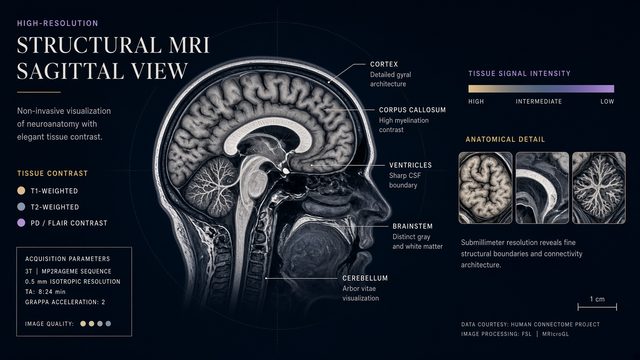
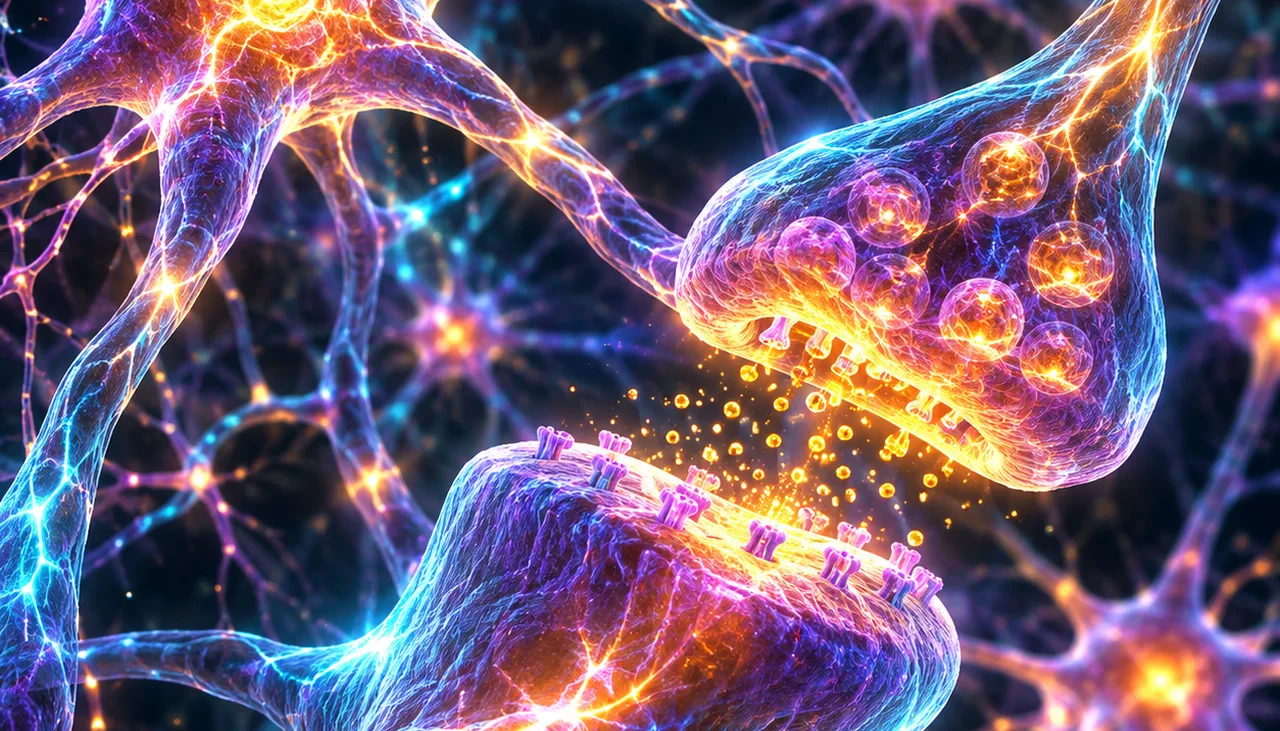
Researchers believe migraine involves a hypersensitive brain network. Aura is linked to a slow wave of altered activity across the cortex called cortical spreading depression. Activation of the trigeminovascular system, which carries pain signals from the head's blood vessels and covering membranes to the brainstem, leads to the release of neuropeptides such as calcitonin gene-related peptide (CGRP). This discovery has led to new medications. Brainstem and hypothalamic regions are thought to help trigger attacks and explain the prodrome. Genetics play a strong role, and many people have a family history.
Common triggers
Triggers vary and are not always consistent. Examples include:
- Irregular sleep, either too little or too much
- Stress and relaxation after stress
- Skipped meals
- Hormonal changes, such as around menstruation
- Certain foods or alcohol
- Weather changes
- Bright or flickering lights and strong smells
- Dehydration
Keeping a headache diary can help identify patterns.
Treatment
Acute treatment
- Over-the-counter pain relievers such as ibuprofen, naproxen or acetaminophen, taken early
- Triptans, prescription medications that act on serotonin receptors
- Gepants and ditans, newer acute drugs that target CGRP or serotonin 1F receptors
- Anti-nausea medication
- Neuromodulation devices cleared for acute treatment
Preventive treatment
People with frequent or disabling attacks may benefit from daily preventive therapy, such as:
- Certain blood pressure medicines, antidepressants or anti-seizure drugs
- CGRP monoclonal antibodies and oral CGRP-targeting medicines
- Botulinum toxin injections for chronic migraine
- Neuromodulation devices
Lifestyle and behavioral approaches
Regular sleep, meals, hydration, exercise and stress management help. Cognitive behavioral therapy, relaxation training and biofeedback have evidence for reducing migraine frequency.
Medication overuse headache
Using acute pain medications too often, generally on more than about ten to fifteen days per month depending on the drug, can cause more frequent headaches. If you need medication that often, talk to your doctor about a preventive plan.
When a headache is an emergency
Seek urgent care for:
- A sudden, severe "thunderclap" headache
- Headache with fever and stiff neck
- Headache after head injury
- New neurological symptoms such as weakness, confusion, speaking difficulty or vision loss that does not resolve
- A new headache pattern after age 50
- Headache with a history of cancer or weakened immunity
- Headache that worsens when lying down or with coughing
Living well with migraine
- Track attacks and triggers
- Keep consistent routines
- Treat early in the attack
- Build a plan with a headache specialist if attacks are frequent
- Address coexisting conditions such as depression, anxiety and sleep disorders
Finding care
Primary care clinicians can manage most migraine, while neurologists and headache specialists treat complicated or severe cases. Our directory lists academic neurology programs offering headache care.
Further reading from authoritative sources
This article is educational and does not replace advice from a licensed clinician. See the medical disclaimer. Looking for specialist care? Browse the neurology clinic directory.