Music Therapy for Brain Injury Recovery
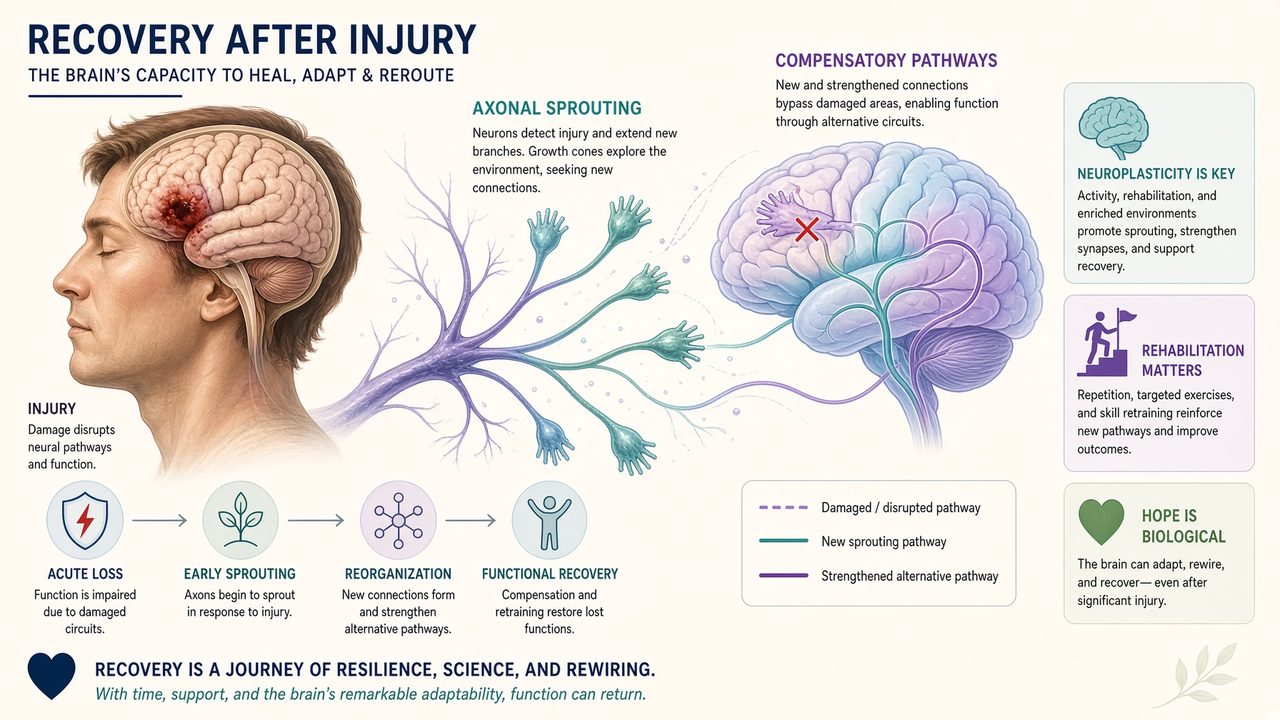
Music is processed across many brain regions, including auditory, motor, memory and emotion networks, and these connections make it a useful tool in rehabilitation. Credentialed music therapists use music in structured ways to address clinical goals.
Why music helps
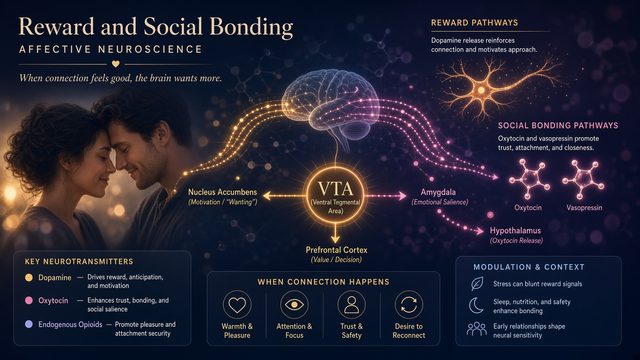
Music engages auditory cortex, motor and premotor regions, the cerebellum and basal ganglia, the hippocampus and the reward system, including dopamine pathways, as shown by studies by Robert Zatorre and Valorie Salimpoor. Rhythm can entrain movement, and musical memory may be preserved when other memories are damaged. Playing an instrument involves multisensory and motor integration, and creates structural changes in brain pathways, as shown in studies of musicians by Gottfried Schlaug.
Approaches and evidence
- Rhythmic auditory stimulation: walking to a beat improves speed, stride length and symmetry for people with stroke and Parkinson's disease, as developed by Michael Thaut. A Cochrane review found rhythmic cueing helps gait after stroke.
- Melodic intonation therapy and therapeutic singing: for nonfluent aphasia, singing words may recruit different pathways. Evidence is promising but limited.
- Music-supported therapy: practicing keyboard or drum pads with the affected hand improves arm function after stroke, as shown by Eckart Altenmüller and colleagues.
- Neurologic music therapy techniques for attention and memory: structured musical exercises to train attention, working memory and executive function
- Listening to music: a trial by Teppo Särkämö and colleagues in Finland found that daily listening to preferred music for two months after stroke improved verbal memory and focused attention and reduced low mood compared with audiobooks or no listening.
- Music for emotional wellbeing: reduces anxiety and depression, and supports coping. For people with severe disorders of consciousness, familiar music can increase responsiveness in some studies.
- Group music making: drumming circles and choirs help social connection.
Who can benefit
People with stroke, traumatic brain injury, Parkinson's disease, dementia, cerebral palsy and other neurological conditions, children and adults. Music therapy is adapted to preferences and abilities, and no musical training is needed.
Safety and cautions
Music at high volumes can be overstimulating, particularly after concussion. Introduce sessions gradually, and watch for fatigue. Music therapy complements, and does not replace, other rehabilitation.
Finding music therapy
Look for board-certified music therapists, through organizations such as the American Music Therapy Association, or the Certification Board for Music Therapists. Hospitals and rehabilitation programs may offer services. At home, caregivers can create playlists, sing together, tap rhythms and use music for walking or exercises.
Music and mood
Depression and anxiety are common after brain injury. Listening to favorite music, singing, drumming or improvisation provides a safe outlet and can motivate participation in other therapy. Group sessions reduce isolation, and many survivors report that music helps them feel like themselves again.
Try it at home
Walk to a steady beat, clap along to songs, sing familiar tunes with family, practice simple keyboard patterns or choose calming music before rest. Keep sessions enjoyable and stop if you feel overstimulated.
Takeaway
Music reaches the injured brain in unique ways. Rhythm, melody and shared enjoyment support recovery.
Further reading from authoritative sources
This article is educational and does not replace advice from a licensed clinician. See the medical disclaimer. Looking for specialist care? Browse the neurology clinic directory.