Opioid Use and the Brain: The Science of Dependence
Opioids include prescription painkillers such as oxycodone and hydrocodone, illicit heroin and fentanyl, and medicines used in treatment. They are powerful at relieving pain and, because of how they act on the brain, they carry high risk of dependence and overdose.
How opioids act
Opioids bind to mu opioid receptors in the brain, spinal cord and gut. In pain pathways, they dampen the transmission of pain signals. In reward circuits, they trigger dopamine release by inhibiting inhibitory neurons in the ventral tegmental area, causing euphoria and reinforcing use. In the brainstem, they slow breathing, which is the cause of death in overdose.
Tolerance, dependence and withdrawal
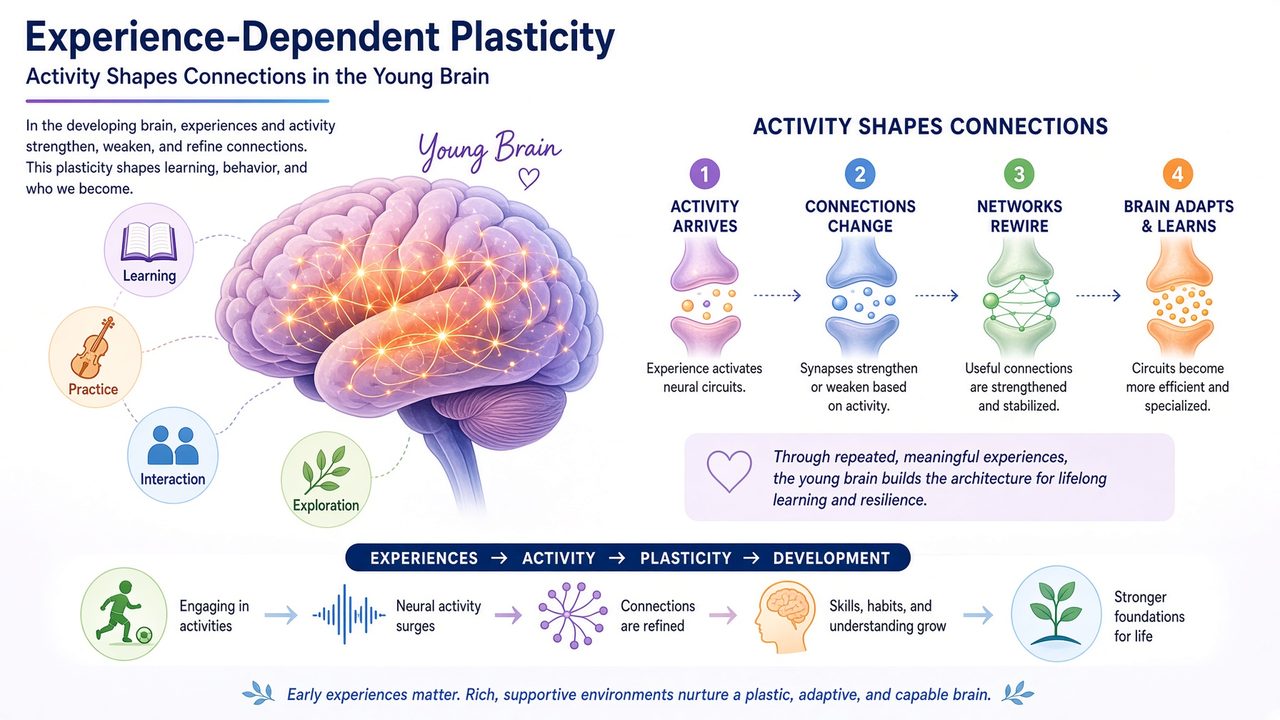
With repeated exposure, the brain adapts. Tolerance develops, so higher doses are needed for the same effect. Physical dependence means that stopping causes withdrawal symptoms, including muscle aches, sweating, nausea, diarrhea, anxiety, insomnia and strong craving. Withdrawal is rarely life-threatening but extremely uncomfortable. Opioid use disorder involves loss of control, craving and continued use despite harm, and arises in a subset of people who use opioids, with risk higher in those with prior substance use or mental health conditions. Chronic opioid use can also cause increased pain sensitivity in some people, called opioid-induced hyperalgesia.
The overdose crisis
Synthetic opioids such as illicitly manufactured fentanyl are responsible for most overdose deaths in the United States, which have exceeded 80,000 per year in recent years, according to the Centers for Disease Control and Prevention, though recent data show declines. Fentanyl is far more potent than heroin, and is often mixed into counterfeit pills and other drugs, so people can be exposed without knowing. Overdose signs include unresponsiveness, slow or absent breathing, blue lips and pinpoint pupils.
Treatment
- Medications for opioid use disorder: buprenorphine, methadone and extended-release naltrexone reduce craving, prevent withdrawal, lower overdose risk, and cut mortality by large margins. Evidence supports medication as the first-line treatment, and stopping medication prematurely raises relapse risk.
- Behavioral therapy and counseling alongside medication
- Treatment of pain and mental health conditions
- Peer recovery support
Reducing harm
- Naloxone: a medicine that reverses opioid overdose, available over the counter in the United States, and carrying it can save lives. Call emergency services after giving it.
- Never use alone, and avoid mixing opioids with alcohol or sedatives
- Fentanyl test strips can help detect contamination
- Safe storage and disposal of prescriptions
- Syringe services programs reduce infections
- Follow prescriptions carefully, and discuss non-opioid options for pain
Getting help
Contact a doctor, addiction treatment provider or the Substance Abuse and Mental Health Services Administration helpline at 1-800-662-4357. In an overdose, call emergency services right away.
Pain without opioids
Many people can manage pain with non-opioid medicines such as acetaminophen or anti-inflammatories, physical therapy, cognitive behavioral therapy for pain, exercise, nerve blocks and other approaches. If you take opioids for a short period after surgery, use the lowest dose for the shortest time, and talk with your doctor about tapering safely.
Pregnancy and newborns
People who are pregnant and dependent on opioids should not stop abruptly, because withdrawal can harm the pregnancy. Medication treatment with methadone or buprenorphine is recommended, and newborns may need care for neonatal opioid withdrawal syndrome.
Takeaway
Opioid dependence is a medical condition with effective treatments. Medication, naloxone and compassion save lives.
Further reading from authoritative sources
This article is educational and does not replace advice from a licensed clinician. See the medical disclaimer. Looking for specialist care? Browse the neurology clinic directory.