The Neuroscience of ADHD
Attention-deficit/hyperactivity disorder is one of the most common neurodevelopmental conditions, affecting roughly 5 percent of children and 2 to 3 percent of adults. It involves persistent patterns of inattention, hyperactivity and impulsivity that interfere with daily life.
What it looks like
Symptoms include difficulty sustaining attention, forgetfulness, disorganization, restlessness, interrupting and acting without thinking. Presentations may be predominantly inattentive, predominantly hyperactive-impulsive or combined. Symptoms must begin in childhood, appear in more than one setting and cause impairment. Girls and adults are often underdiagnosed because inattentive symptoms are less disruptive. ADHD frequently coexists with anxiety, depression, learning disorders, autism, sleep problems and substance use.
Causes
Twin studies suggest heritability around 70 to 80 percent. Many genes of small effect are involved, as shown in genome-wide studies by Ditte Demontis and colleagues. Environmental risk factors include premature birth, low birth weight, prenatal exposure to tobacco or alcohol, and lead exposure, though these are associations, and they do not explain most cases. ADHD is not caused by sugar, screen time or bad parenting.
Brain differences
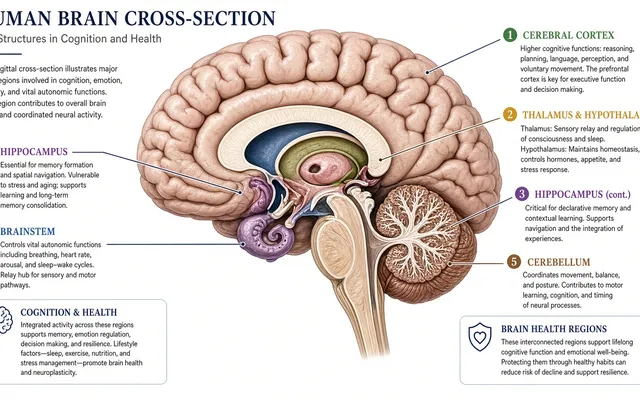
- Structure: a large ENIGMA consortium study led by Martine Hoogman found slightly smaller volumes in several subcortical regions, including the amygdala, caudate, putamen, nucleus accumbens and hippocampus, in people with ADHD, with small effect sizes. Cortical maturation tends to be delayed by a few years, as reported by Philip Shaw and colleagues.
- Networks: differences in frontoparietal control, default mode and attention networks. The default mode network may fail to quiet down during tasks.
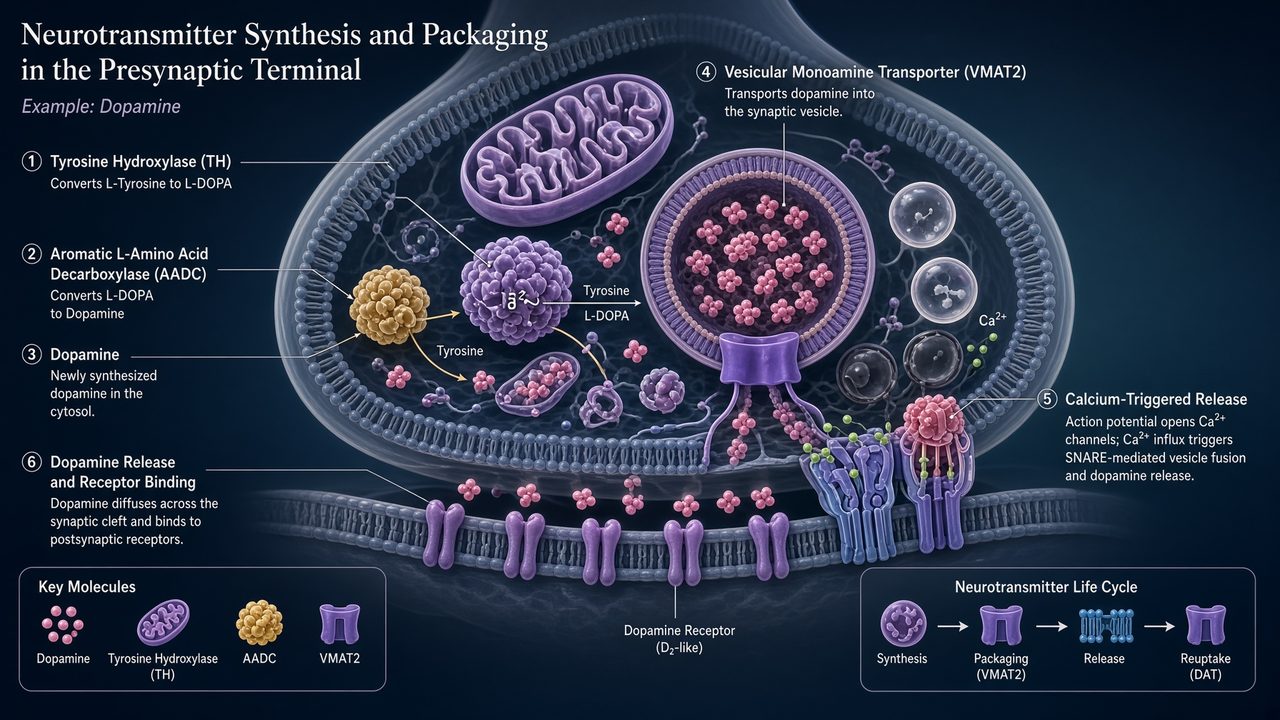
- Neurochemistry: dopamine and noradrenaline systems that regulate attention, motivation and reward are implicated, which explains why stimulants and some other medications help.
- Reward processing: preference for immediate rewards and difficulty with delay.
Group differences are small and overlap greatly with those without ADHD, so brain scans cannot diagnose the condition.
Diagnosis
Clinicians gather history from parents, teachers or partners, use rating scales, and rule out other causes such as hearing, vision, sleep or mental health problems. No single test confirms ADHD.
Treatment
- Medication: stimulants such as methylphenidate and amphetamines are effective for most people, and nonstimulants such as atomoxetine, guanfacine and clonidine are options. Monitoring for side effects, such as appetite loss, sleep problems and blood pressure changes, is needed.
- Behavioral therapy: parent training and classroom strategies for children
- Cognitive behavioral therapy and coaching for adults
- School and workplace accommodations: extra time, structure, reminders
- Lifestyle: regular sleep, exercise and routines
- Neurofeedback and other approaches: evidence is mixed, and they should not replace proven treatment.
Strengths
Many people with ADHD show creativity, energy, spontaneity and hyperfocus on interesting tasks. Support helps them use these strengths.
ADHD across the lifespan
In adulthood, hyperactivity often fades into inner restlessness, while difficulties with organization, time management and emotional regulation remain. Adults can seek evaluation through a psychiatrist, psychologist or primary care clinician. Many only learn about their diagnosis when their children are diagnosed.
Practical daily strategies
Use calendars and alarms, break tasks into short steps, set up a consistent place for keys and papers, work in focused sprints with breaks, and exercise regularly. Reducing distractions, such as turning off notifications, helps the attention system. Medication works best alongside these skills.
Takeaway
ADHD is real, common and treatable. A combination of understanding, strategies and medical care helps people thrive.
Further reading from authoritative sources
This article is educational and does not replace advice from a licensed clinician. See the medical disclaimer. Looking for specialist care? Browse the neurology clinic directory.