The Neuroscience of Neurorehabilitation
Neurorehabilitation is the medical and therapeutic care that helps people recover or adapt after damage to the nervous system. It rests on the brain's capacity to reorganize.
Mechanisms of recovery
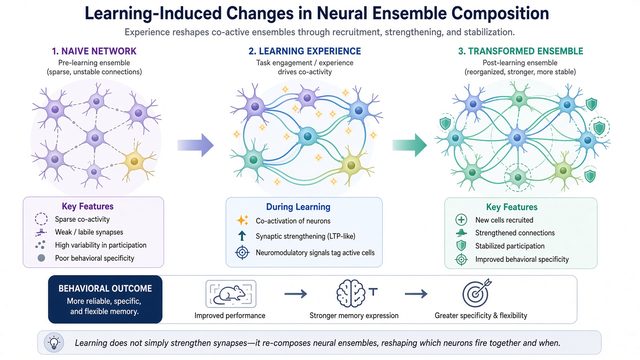
After a stroke or injury, recovery arises from several processes: reduction of swelling and recovery of stunned tissue, rebalancing of signals between hemispheres, strengthening of alternate pathways, formation of new synapses and, in some cases, sprouting of axons. Animal studies by Randolph Nudo and others showed that after a lesion in the motor cortex, training promotes remapping in surrounding regions, while lack of training allows further loss of territory. Human imaging studies by Nick Ward and colleagues show shifts in activity patterns during recovery, which vary with the extent of damage and the integrity of the corticospinal tract, a predictor of motor recovery.
Timing
Spontaneous recovery is steepest in the first three months after stroke, and the early period is considered a sensitive time for plasticity. Starting rehabilitation promptly is recommended, though very high-dose mobilization within 24 hours was found in the AVERT trial to be associated with poorer outcomes, which highlights the need for careful timing. Improvements can still occur months or years later, particularly with targeted practice.
The rehabilitation team
Physiatrists, neurologists, nurses, physical, occupational and speech-language therapists, neuropsychologists, social workers, dietitians, orthotists and others work together. Goals are set with the person and family. Care ranges from acute hospital rehabilitation to inpatient rehabilitation units, outpatient programs, home-based services and community support.
Techniques
- Task-specific, high-repetition training
- Constraint-induced movement therapy
- Treadmill and body-weight-supported walking
- Mirror therapy and motor imagery
- Robotics and exoskeletons
- Virtual reality and gaming
- Functional electrical stimulation
- Noninvasive brain stimulation: transcranial magnetic and direct current stimulation, which has been studied for enhancing therapy, with mixed results
- Vagus nerve stimulation paired with rehabilitation: approved by the U.S. Food and Drug Administration in 2021 for upper limb deficits after stroke, on the basis of a trial by Jesse Dawson and colleagues
- Pharmacological aids: medications for spasticity, mood, attention and other symptoms
- Spinal cord stimulation and brain-computer interfaces under investigation for paralysis, including epidural stimulation that helped people with spinal cord injury to walk, in studies by Grégoire Courtine and colleagues
What predicts recovery
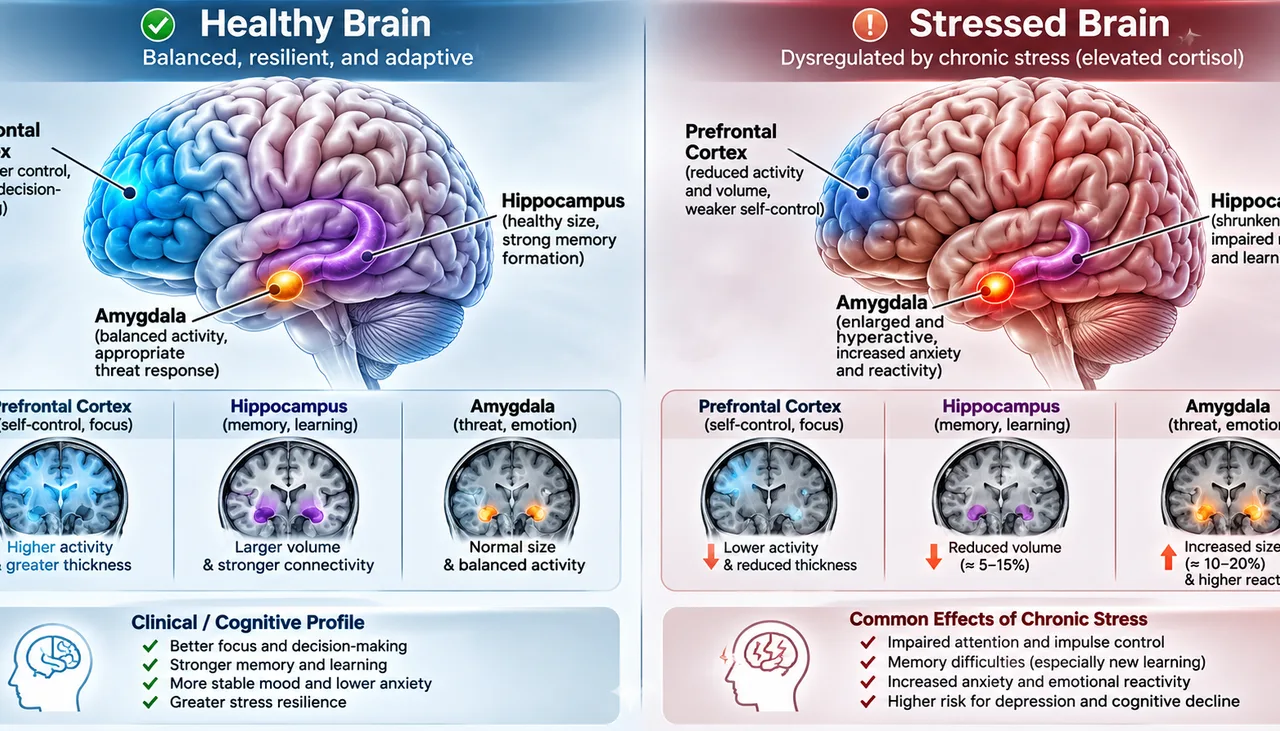
Age, severity, location of damage, early function, motivation, support, cognitive and mood status and access to rehabilitation all matter. Depression and fatigue can limit participation, and treating them helps.
Staying motivated
- Set small, achievable goals
- Track progress to see gains
- Practice at home with a plan
- Involve family and peers, such as stroke clubs
- Celebrate milestones
- Prevent complications: falls, pressure sores and contractures
- Address mood: talk with a clinician about depression
Rehabilitation at home and in the community
Most recovery takes place after leaving hospital. Home exercise programs, community classes, peer groups and telerehabilitation help sustain gains. Occupational and physical therapists can adapt activities to your home and neighborhood.
Realistic hope
Recovery varies and may plateau, but plateaus are often followed by new gains when the program changes or the intensity increases. Clinicians can help set goals that balance hope with reality, and adaptive strategies make a rich life possible even when full recovery is not.
Takeaway
The brain can rewire itself, but it needs work, support and time. Neurorehabilitation guides that rewiring toward meaningful recovery.
Further reading from authoritative sources
This article is educational and does not replace advice from a licensed clinician. See the medical disclaimer. Looking for specialist care? Browse the neurology clinic directory.