The Neuroscience of Sleep Disorders in Neurological Disease

Sleep and the brain are closely linked. Many neurological diseases disrupt sleep, and disrupted sleep in turn can worsen symptoms and may affect disease progression.
Why sleep is affected
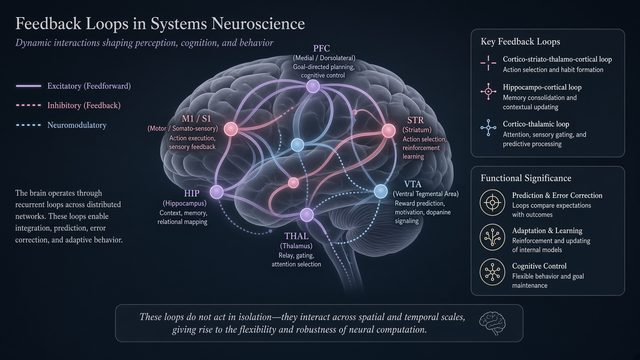
Sleep and wakefulness are controlled by networks in the brainstem, hypothalamus, thalamus and basal forebrain, using neurotransmitters such as orexin, serotonin, norepinephrine, acetylcholine, histamine and gamma-aminobutyric acid. Neurodegenerative diseases damage these systems, and also the circadian clock. Medications, pain, mood disorders, and nighttime symptoms add to problems.
Disease patterns
- Parkinson's disease: insomnia, daytime sleepiness, restless legs and, most distinctively, REM sleep behavior disorder, in which people act out dreams because normal paralysis during REM sleep is lost. REM sleep behavior disorder often precedes Parkinson's disease or dementia with Lewy bodies by years, and is a recognized prodromal sign, as shown by research of Ronald Postuma and others.
- Alzheimer's disease: fragmented sleep, reduced slow-wave sleep, sundowning, and a shifted circadian rhythm. Research by Matthew Walker, Maiken Nedergaard and others suggests that slow-wave sleep supports clearance of waste proteins, such as amyloid beta, through the glymphatic system, and that poor sleep is associated with higher amyloid levels. Whether sleep problems contribute to disease or only reflect it is likely both.
- Lewy body dementia: vivid dreams, REM sleep behavior disorder and daytime sleepiness
- Stroke: insomnia, sleep apnea and altered sleep patterns are common, and sleep apnea raises stroke risk and hinders recovery.
- Epilepsy: seizures can disrupt sleep, and sleep deprivation can provoke seizures. Some medicines affect sleep.
- Multiple sclerosis: insomnia, restless legs, sleep apnea and fatigue
- Huntington's disease and ALS: sleep disruption and breathing difficulties
- Narcolepsy: a disorder caused by loss of hypocretin or orexin neurons, causing sleep attacks and cataplexy.
- Traumatic brain injury: insomnia and sleepiness are common.

Why it matters
Poor sleep worsens memory, mood, pain, falls, and daytime function, and increases caregiver burden. Treating sleep problems may improve cognition and quality of life.
Evaluation and treatment
- Sleep history and diary, and sleep study if apnea, movement disorders or REM behavior disorder is suspected
- Treat sleep apnea: continuous positive airway pressure improves sleepiness and may improve cognition and mood
- Cognitive behavioral therapy for insomnia, the first-line treatment, adapted for neurological conditions
- Sleep hygiene and routine: consistent schedule, morning light, exercise, limited caffeine, a cool dark bedroom
- Light therapy and melatonin for circadian disruption, with guidance from a clinician
- Medications: used carefully, because sedatives increase fall and confusion risk, particularly in older adults and people with dementia
- REM sleep behavior disorder: make the bedroom safe, and clonazepam or melatonin may be used.
- Restless legs syndrome: check iron levels, review medications and consider treatment
- Support for caregivers
Caregivers and sleep
Nighttime wandering, agitation or movements disturb the sleep of caregivers too. Safe bedrooms, night lights, door alarms, daytime activity and light exposure, and respite care help families rest, and caregivers should ask doctors about sleep for themselves.
When to see a sleep specialist
Loud snoring with pauses in breathing, acting out dreams, irresistible daytime sleepiness, or insomnia lasting more than a few weeks should prompt evaluation. Treating sleep is one of the most practical ways to improve daily life with a neurological condition.
Takeaway
Sleep and neurological health influence each other. Ask your doctor about sleep problems, since they are treatable and treating them helps.
Further reading from authoritative sources
This article is educational and does not replace advice from a licensed clinician. See the medical disclaimer. Looking for specialist care? Browse the neurology clinic directory.