Tourette Syndrome and the Brain
Tourette syndrome is a neurological condition that begins in childhood and involves multiple motor tics and at least one vocal tic lasting more than a year. Tics are sudden, repetitive movements or sounds. Tourette affects roughly 0.3 to 1 percent of children.
What tics are like
Motor tics include eye blinking, facial grimacing, head jerking and shoulder shrugging, and complex tics may involve sequences of movements. Vocal tics include throat clearing, sniffing, grunting or words and phrases. Coprolalia, involuntary swearing, occurs in only a minority, despite its portrayal in media. Many people feel a premonitory urge, a build-up of uncomfortable sensation relieved by the tic, which is why tics can be temporarily suppressed with effort. Tics wax and wane, often peak in early adolescence, and improve in adulthood for many people.
Causes and brain circuits
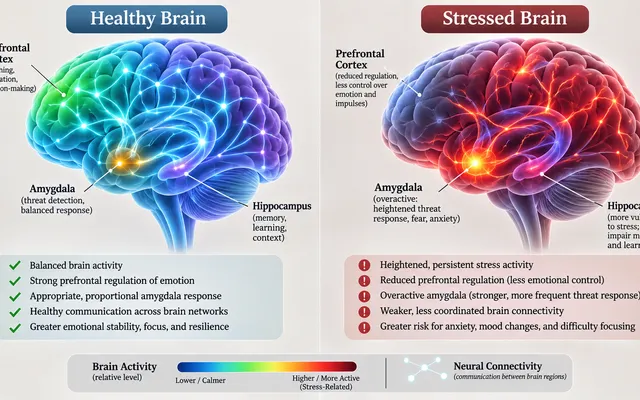
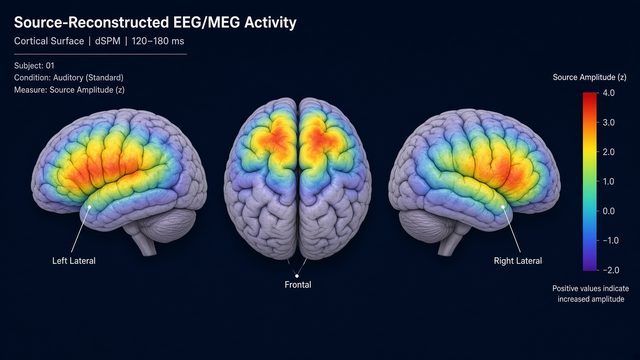
Tourette syndrome is highly heritable, and genetic studies have found contributions from many genes, with rare variants in genes such as SLITRK1 and CNTNAP2, though no single cause. The basal ganglia and cortico-striato-thalamo-cortical circuits that select and initiate movements are implicated, with dysfunction in dopamine signaling and in inhibitory interneurons. Imaging studies show altered activity in motor and sensory regions and in cortical control networks. Stress, excitement, fatigue and illness can worsen tics.

Co-occurring conditions
Most people with Tourette syndrome have additional conditions, which often cause more difficulty than tics. These include ADHD, obsessive-compulsive disorder, anxiety, depression, learning difficulties and sleep problems. Identifying and treating them is important.
Diagnosis
Diagnosis is clinical, based on history and examination, and other causes of tics are ruled out when needed. Many children have brief tics that go away, called provisional tic disorder.
Treatment
- Education and reassurance: many tics need no treatment
- Comprehensive behavioral intervention for tics, developed by Douglas Woods, John Piacentini and colleagues, which teaches awareness and competing responses. It is effective in trials and is a first-line therapy.
- Medication: alpha-2 agonists such as guanfacine and clonidine, antipsychotics such as aripiprazole, and others for more severe tics, with attention to side effects
- Botulinum toxin injections for focal tics
- Deep brain stimulation is experimental and reserved for severe, refractory adult cases in specialized centers
- Treating co-occurring conditions
Supporting people with tics
Teachers and peers can help by not drawing attention to tics, avoiding punishment, allowing breaks and quiet places, and providing accommodations for test taking. Telling classmates what tics are can reduce teasing. Families can focus on strengths and wellbeing, and join support groups such as those run by Tourette associations.
Living with Tourette syndrome
Many adults with tics lead successful lives in all professions. Sports, music and absorbing activities often reduce tics during the activity itself. Sleep, stress management and exercise help. People with tics may choose to tell employers and friends what to expect, and legal protections for disability may apply.
Research directions
Scientists are studying tic circuits using imaging, exploring digital and online behavioral therapy, and testing new medications that target dopamine and other systems, which may broaden the options available.
Takeaway
Tourette syndrome is a brain-based condition, not a choice or a behavior problem. Understanding, effective therapy and support allow most people to lead full lives.
Further reading from authoritative sources
This article is educational and does not replace advice from a licensed clinician. See the medical disclaimer. Looking for specialist care? Browse the neurology clinic directory.