Understanding Traumatic Brain Injury: A Comprehensive Guide
A traumatic brain injury, or TBI, occurs when an external force, such as a blow, jolt or penetrating object, disrupts normal brain function. TBIs range from brief changes in consciousness to long-term disability. They are a major cause of injury-related death and disability worldwide, and they affect people of all ages.
Common causes
- Falls, the leading cause overall, especially in young children and older adults
- Motor vehicle crashes
- Sports and recreation injuries
- Assaults and violence
- Blast injuries in military settings
- Struck by or against objects
How the brain is injured
Primary injury
This happens at the moment of impact. It can include bruising of brain tissue (contusion), bleeding around or inside the brain, skull fracture and diffuse axonal injury, in which rapid acceleration and rotation stretch and tear long nerve fibers throughout the brain.
Secondary injury
Over hours to days, swelling, reduced blood flow, low oxygen, changes in chemical signaling and inflammation can cause further damage. Intensive care for severe TBI focuses on maintaining oxygen, blood pressure and manageable pressure inside the skull.
Classification
Clinicians often rate severity using the Glasgow Coma Scale, which scores eye opening, verbal response and motor response. A score of 13 to 15 is generally considered mild, 9 to 12 moderate and 8 or below severe. Duration of loss of consciousness and of memory loss around the injury also guide classification. Most TBIs are mild, commonly called concussions.
Symptoms
Symptoms vary according to the severity and location of injury.
Physical
Headache, nausea, dizziness, balance problems, sensitivity to light and noise, fatigue and sleep disturbance.
Cognitive
Confusion, memory problems, slowed thinking and difficulty concentrating.
Emotional and behavioral
Irritability, anxiety, depression, mood swings and personality change.
Severe injury
Prolonged unconsciousness, repeated vomiting, seizures, weakness or numbness, slurred speech, unequal pupils, and increasing drowsiness.
When to seek emergency care
Call emergency services or go to the emergency department after a head injury if there is loss of consciousness, a severe or worsening headache, repeated vomiting, seizure, confusion or unusual behavior, weakness, trouble speaking or walking, clear fluid from the nose or ears, one pupil larger than the other, or if the person cannot be awakened. Infants and older adults, as well as people who take blood thinners, should be evaluated promptly after any significant blow.
Diagnosis
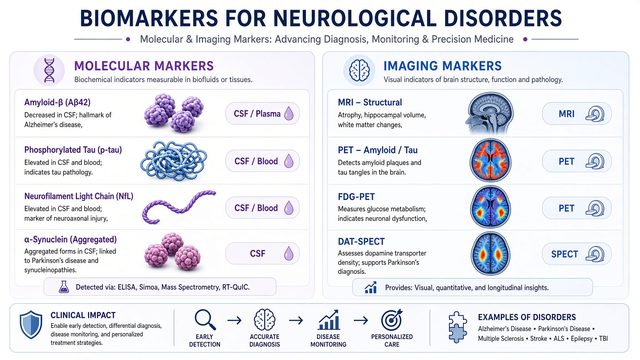
A neurological examination assesses alertness, strength, sensation and reflexes. A CT scan is typically used in emergency settings to look for bleeding or fractures. MRI is more sensitive for some injuries and may be used later. Blood biomarkers are increasingly available to help decide whether a CT is needed in mild injury.
Treatment
- Mild TBI: observation, rest in the first day or two and then a gradual return to activity.
- Moderate to severe TBI: emergency stabilization, monitoring in intensive care, and sometimes surgery to remove blood clots or relieve pressure.
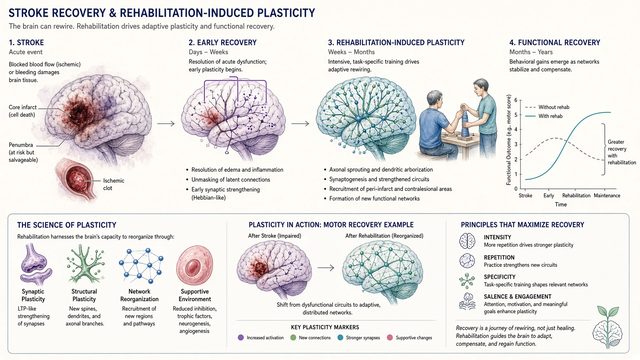
- Rehabilitation: a team of physical therapists, occupational therapists, speech-language pathologists, neuropsychologists and physicians helps people regain function. Earlier rehabilitation generally yields better outcomes.
Long-term effects
Recovery varies. Many people with mild TBI recover within weeks, though a minority have persistent symptoms. After moderate to severe injury, people may experience lasting difficulties with memory, attention, movement, emotional regulation and independence. TBI is associated with an increased risk of depression, post-traumatic epilepsy, sleep problems and, in some studies, dementia later in life.
Prevention
- Wear seat belts and use child safety seats
- Use helmets for cycling, motorcycling, skiing and contact sports
- Prevent falls at home with good lighting, handrails and removing tripping hazards
- Avoid driving under the influence of alcohol or drugs
- Follow sports rules and take head injuries seriously
Support for families
TBI affects entire families. Brain injury associations offer education and support groups, and many rehabilitation centers provide caregiver training. Our directory lists rehabilitation hospitals and brain injury programs by state.
Further reading from authoritative sources
This article is educational and does not replace advice from a licensed clinician. See the medical disclaimer. Looking for specialist care? Browse the neurology clinic directory.