Inside the Insula: Where the Body Meets the Mind
Hidden within the folds of the brain, tucked beneath the frontal and temporal lobes, lies the insula. This region translates signals from the body into feelings, helping you know your heart is racing, your stomach is full or you are disgusted. It is a hub where body and mind meet.
Anatomy
The insula, also called the insular cortex, is a region of cortex folded deep within the lateral sulcus. It is divided into:
- Posterior insula, which receives raw sensory signals about the body, such as pain, temperature, touch, and visceral sensations
- Mid insula, which integrates them
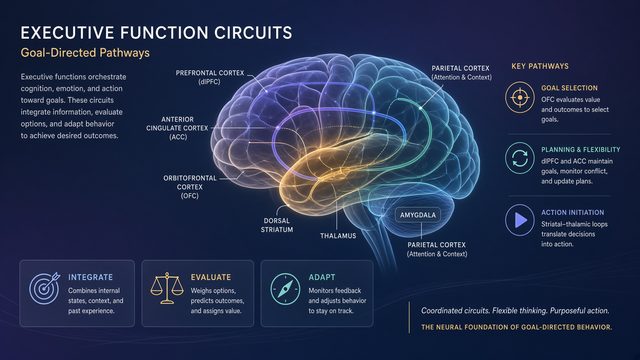
- Anterior insula, which connects to the prefrontal cortex, amygdala and anterior cingulate cortex and produces a conscious, subjective feeling
This posterior-to-anterior progression is thought to build a representation of the body that becomes a feeling of "how I am."
Interoception
Interoception includes awareness of heartbeat, breathing, hunger, thirst, bladder fullness and muscle tension. Research by A.D. Craig and others indicates that the insula maps these signals. People differ in how accurately they perceive their heartbeat, and interoceptive accuracy is linked to emotional intensity and to anxiety.

Emotion and feeling
The anterior insula is active during many emotions, notably disgust, but also pain, fear, empathy, craving and pleasure. Theories such as those of William James and Antonio Damasio propose that feelings arise from perceiving bodily changes, and the insula is a leading candidate for where that perception happens. It is also active when we feel empathy for another's pain, indicating shared representation.
Salience and awareness
The anterior insula and anterior cingulate form the salience network, which detects important events and switches between internal and external focus. The insula has been proposed as part of the basis for self-awareness and the sense of being a distinct self.
Decision-making and risk
The insula tracks uncertainty and potential loss, and is active during risky decisions. Damage to the insula can reduce the ability to learn from negative outcomes, and in one famous finding, smokers who had a stroke affecting the insula were more likely to quit easily, losing the urge to smoke.
Taste, pain and other functions
The insula includes the primary gustatory cortex, so it processes taste and also is involved in processing pain, temperature and itch. It contributes to speech articulation and music perception.
Clinical relevance
- Anxiety and panic. Heightened insula reactivity and overestimated body signals are seen in anxiety.
- Depression. Altered insula connectivity and activity are reported.
- Addiction. The insula supports craving and awareness of drug urges.
- Eating disorders. Disturbed interoception is described in anorexia and bulimia.
- Chronic pain. Persistent activation of the insula is observed.
- Autism and alexithymia. Differences in interoception and insular activity have been reported.
- Stroke and epilepsy. Insular stroke can produce taste problems, autonomic dysregulation and pain syndromes.
- Neurodegenerative disease. The insula is affected in frontotemporal dementia, with loss of empathy and emotional awareness.
Training interoception
Practices such as mindfulness, body scan meditation, yoga and slow breathing increase attention to bodily sensations and are associated with insula changes in some studies. Biofeedback provides external displays of heart rate and breathing that can calibrate awareness.
Takeaway
The insula weaves body signals into feelings and awareness. Paying attention to the body, and caring for its health, helps you understand your mind.
Further reading from authoritative sources
This article is educational and does not replace advice from a licensed clinician. See the medical disclaimer. Looking for specialist care? Browse the neurology clinic directory.