Neurotransmitters 101: Dopamine, Serotonin, and Beyond
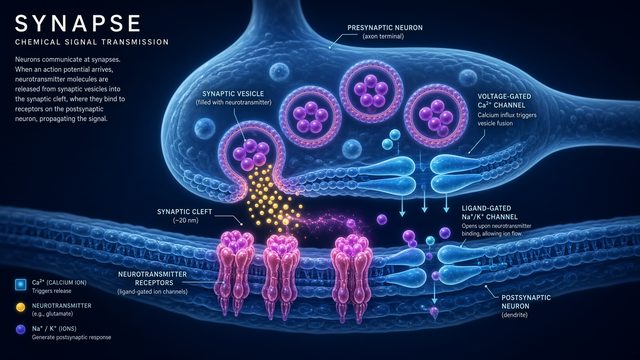
Neurons communicate across tiny gaps called synapses. When a signal arrives at the end of one neuron, it releases chemical messengers known as neurotransmitters, which bind to receptors on the next cell and either excite it or make it less likely to fire. Dozens of neurotransmitters have been identified, each with several receptor types.
The major players
Glutamate
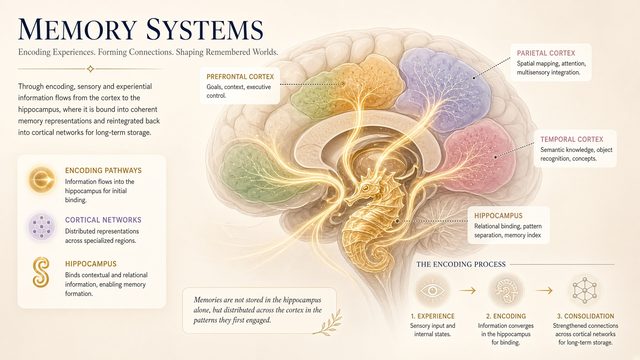
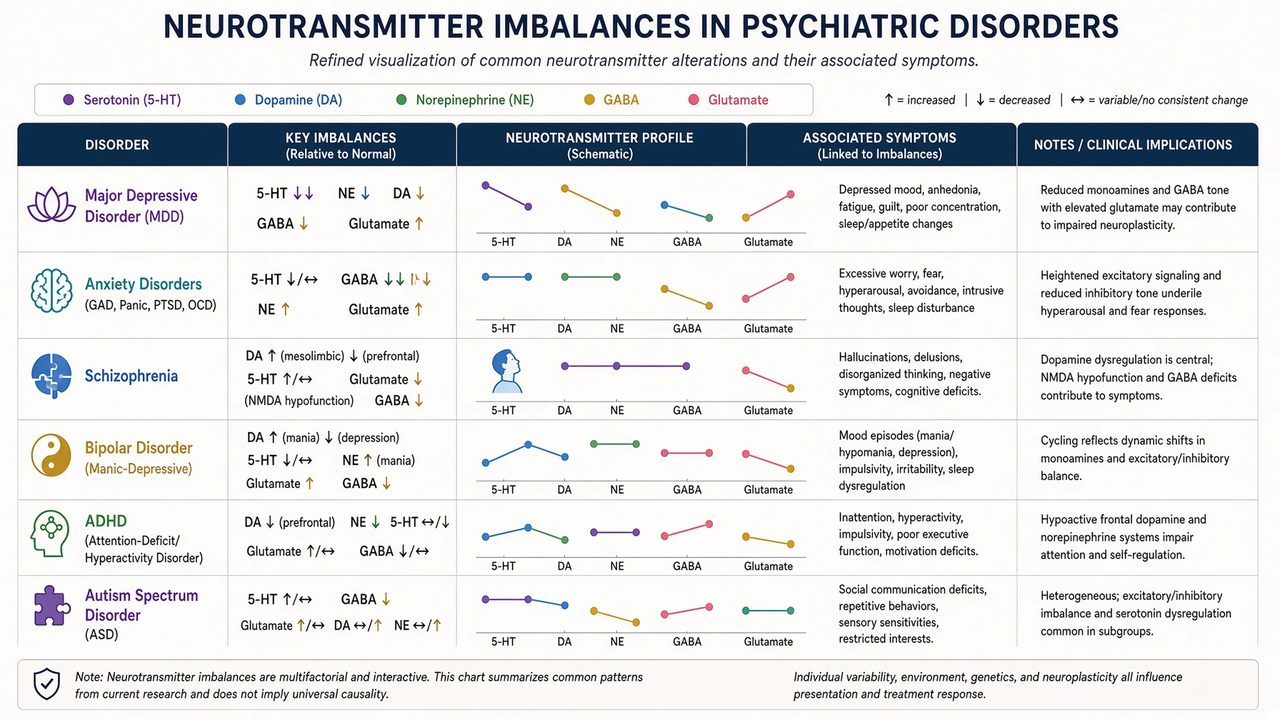
Glutamate is the brain's main excitatory neurotransmitter. It is essential for learning and memory, and its receptors, especially NMDA and AMPA receptors, are central to synaptic strengthening. Too much glutamate activity can damage neurons, which is one mechanism in stroke.
GABA
Gamma-aminobutyric acid is the main inhibitory neurotransmitter. It keeps neural activity in balance. Many anti-anxiety, sedative and anti-seizure medications act on the GABA system.
Dopamine
Dopamine is involved in movement, motivation, learning from reward and attention. It is often called the "pleasure chemical," but researchers increasingly describe it as signaling prediction and wanting: it helps you learn which actions are worth pursuing. Loss of dopamine-producing neurons in the substantia nigra causes the movement symptoms of Parkinson's disease.
Serotonin
Serotonin influences mood, sleep, appetite and gut movement. About ninety percent of the body's serotonin is actually found in the digestive tract. Many antidepressants, such as SSRIs, increase serotonin availability, but depression is not simply a "serotonin deficiency," and researchers continue to study how these drugs work.
Acetylcholine
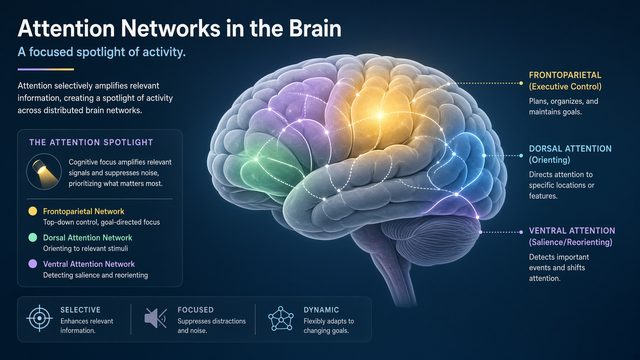
Acetylcholine is vital for attention, learning and muscle activation. Loss of cholinergic neurons is part of Alzheimer's disease, and some Alzheimer's medications boost acetylcholine signaling.
Norepinephrine
Also called noradrenaline, this neurotransmitter increases alertness and arousal and is central to the stress response. It is produced mostly by a small cluster of neurons in the brainstem called the locus coeruleus.
Endorphins and other peptides
Endogenous opioids help modulate pain and reward. Neuropeptides such as oxytocin and orexin influence social bonding and wakefulness.
How signaling works
1. An electrical impulse reaches the end of a neuron. 2. Neurotransmitter is released from small vesicles into the synapse. 3. It binds to receptors on the neighboring cell, changing its activity. 4. The signal ends when the transmitter is taken back up, broken down or diffuses away.
Many drugs act at steps three or four. For example, stimulants affect dopamine and norepinephrine reuptake, and SSRIs block serotonin reuptake.

Why simple labels mislead
Pop culture often reduces brain function to a single chemical: dopamine for pleasure, serotonin for happiness. In reality, circuits matter as much as chemicals. The same neurotransmitter can have opposite effects in different regions, and the brain constantly adjusts receptor numbers and sensitivity. This is why quick "dopamine detox" or "serotonin boosting" claims are usually oversimplified.
Keeping the system healthy
Lifestyle supports healthy neurotransmitter function indirectly: regular exercise, adequate sleep, balanced nutrition with enough protein, vitamins and minerals, and managing stress. Never start or stop a medication that affects neurotransmitters without guidance from a prescriber, because abrupt changes can cause serious side effects.
Further reading from authoritative sources
This article is educational and does not replace advice from a licensed clinician. See the medical disclaimer. Looking for specialist care? Browse the neurology clinic directory.