The Blood-Brain Barrier: The Brain's Protective Gatekeeper
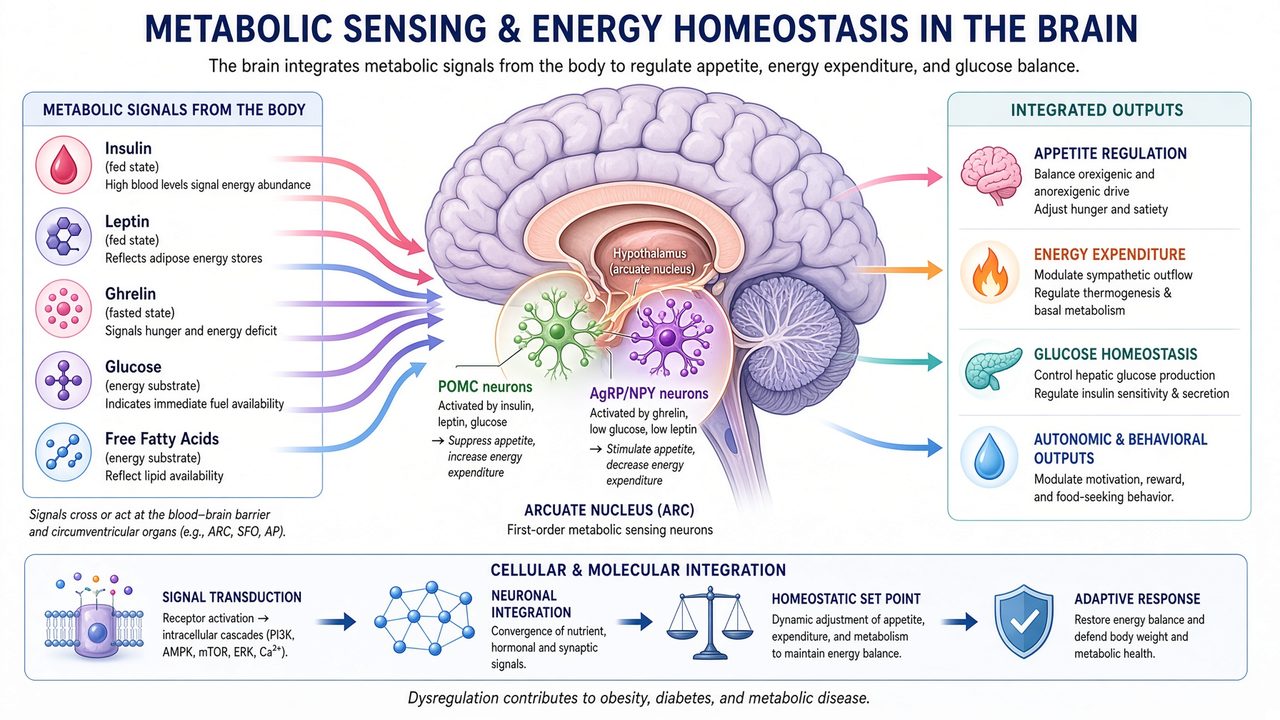
The brain is bathed in blood but is protected from many of its contents. The blood-brain barrier (BBB) is a selective boundary formed by the walls of brain capillaries and their supporting cells. It keeps out toxins, pathogens and fluctuations in blood chemistry that could disrupt neural signaling.
How it is built
- Endothelial cells lining brain capillaries are joined by tight junctions that seal the gaps between them, unlike capillaries elsewhere in the body.
- Transporters and pumps in these cells carry in glucose, amino acids and other nutrients, and pump out unwanted molecules using efflux proteins such as P-glycoprotein.
- Pericytes embedded in the vessel wall regulate blood flow and barrier integrity.
- Astrocyte endfeet wrap around the vessels and help induce and maintain barrier properties.
- The basement membrane adds structural support.
Together these elements form the neurovascular unit.
What gets through
Small, fat-soluble molecules, including oxygen, carbon dioxide, alcohol, caffeine and nicotine, cross readily, as do many anesthetics and psychoactive drugs. Glucose enters via the GLUT1 transporter. Large molecules, most proteins, many antibiotics and most cancer drugs are largely excluded. Some regions, called circumventricular organs, lack a tight barrier, allowing the brain to sense blood hormones and toxins, such as the area postrema, which triggers vomiting.

Why it matters
The barrier preserves the stable environment neurons need. Even a small rise in potassium or glutamate could disrupt signaling. It also blocks most microbes, though some, such as certain bacteria and viruses, can cross.
When the barrier fails
BBB dysfunction is seen in:
- Stroke and trauma, where leakage worsens swelling
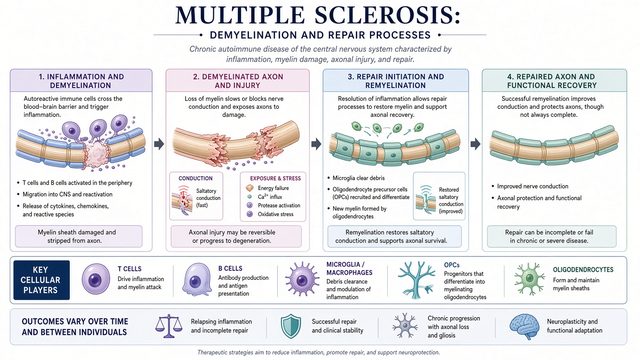
- Multiple sclerosis, where immune cells cross the barrier
- Alzheimer's disease, with early barrier changes in some studies
- Brain tumors, where vessels become leaky
- Infections and inflammation, such as meningitis
- Epilepsy and migraine, where it may contribute
- Aging, with gradual loss of integrity, especially in the hippocampus
- Hypertension and diabetes, which damage small vessels
The drug delivery challenge
The BBB blocks about 98 percent of small-molecule drugs and nearly all large-molecule therapies, a major obstacle to treating brain diseases. Strategies to cross it include:
- Designing drugs with properties that favor entry
- Using carriers, such as antibodies engineered to bind transferrin receptors and shuttle cargo across
- Focused ultrasound with microbubbles, which temporarily opens the barrier in a targeted region, tested for delivering drugs in Alzheimer's disease and tumors
- Nanoparticles
- Intranasal delivery
- Direct injection into the cerebrospinal fluid or brain, as with antisense therapies for spinal muscular atrophy
Anti-amyloid antibodies for Alzheimer's cross in small amounts, and so need high dosing.
Lifestyle and the barrier
Exercise, a healthy diet, controlling blood pressure, avoiding smoking and managing stress support vascular integrity. Chronic inflammation and heavy alcohol use can compromise it.
Questions researchers are asking
Researchers are working out how barrier strength varies between brain regions and across the lifespan, and whether early barrier leakage drives or follows neurodegeneration. Imaging methods that measure leakage in living people are improving, and may eventually serve as early markers of small vessel disease. Safe, repeatable ways to open the barrier briefly remain a central goal for treating brain tumors and neurodegenerative conditions.
Takeaway
The blood-brain barrier is an elegant protective system that also complicates treatment. Research to understand and safely modulate it is central to the future of neurology.
Further reading from authoritative sources
This article is educational and does not replace advice from a licensed clinician. See the medical disclaimer. Looking for specialist care? Browse the neurology clinic directory.