The Science of Biofeedback Sensors
Biofeedback depends on measuring body signals that people cannot normally perceive, and presenting them in real time so that people can learn to influence them. The quality of the sensor determines the quality of the training.
Electromyography
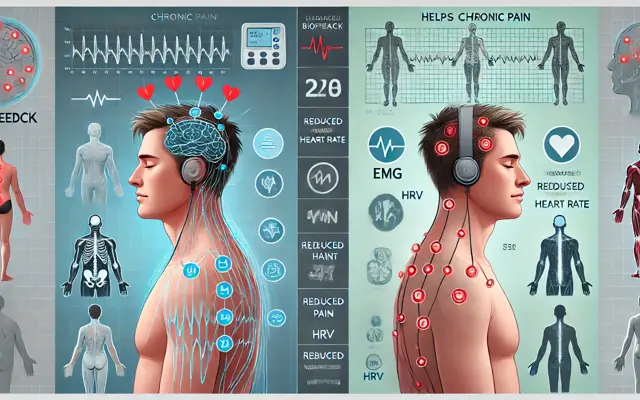
Surface electromyography uses electrodes on the skin to record electrical activity produced by muscle fibers. It is used for muscle tension in headaches, jaw clenching and back pain, for relearning movement after stroke and for pelvic floor training in incontinence. Placement over the muscle belly and good skin preparation reduce noise. Readings are in microvolts.
Heart rate and heart rate variability
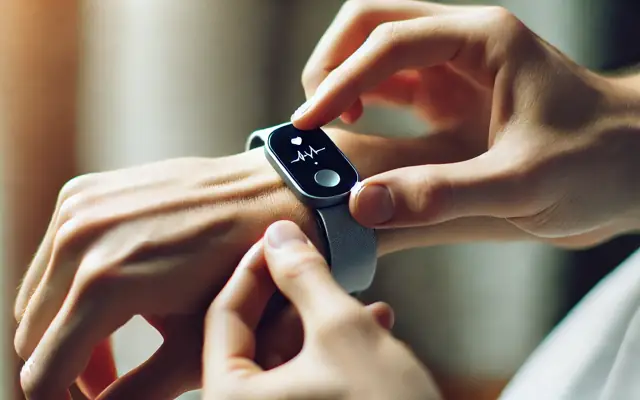
Electrocardiography records the heart's electrical activity, and photoplethysmography uses light to detect blood volume changes in the skin. Heart rate variability reflects the interplay of sympathetic and parasympathetic nervous system influences, and it is used in training for stress, anxiety and cardiovascular conditions. Movement and poor fit degrade optical sensors.
Respiration
Stretch belts around the chest and abdomen measure breathing rate and pattern, and capnometers measure the carbon dioxide in exhaled air. These are used for breathing retraining in anxiety, asthma and panic. Capnography helps to identify overbreathing, which lowers carbon dioxide and can cause dizziness and tingling.
Skin conductance
Electrodermal activity sensors measure small changes in sweat gland activity, which rise with arousal and emotion. Finger electrodes provide quick feedback for relaxation and anxiety training. Hand washing, room temperature and humidity can shift readings.
Peripheral temperature
Thermistors on a finger track skin temperature, which falls when blood vessels constrict under stress and warms with relaxation. Temperature training has been used for migraine and Raynaud's disease. Cold rooms change baselines.
Electroencephalography
Scalp electrodes detect brain electrical activity, which is used in neurofeedback. Signals are very small and are easily contaminated by eye blinks, muscle tension and electrical interference, so artifact handling is critical.
Other sensors
- Accelerometers detect movement and posture.
- Blood pressure monitors support hypertension training.
- Pressure sensors are used in pelvic floor and bowel biofeedback.
- Force plates and balance sensors support rehabilitation.
- Eye trackers support attention and vision training.
Principles of good measurement
- Calibrate and set baselines before training.
- Prepare the skin and ensure good contact.
- Control the environment: temperature, noise and posture.
- Recognize artifacts and correct them.
- Use validated equipment and follow manufacturer instructions.
- Interpret within context: a single reading is less meaningful than trends over sessions.
Choosing a sensor
Match the sensor to the goal. Muscle tension problems call for electromyography, stress and anxiety for heart rate variability, respiration and skin conductance, and migraine or circulation problems for temperature. A clinician can combine several channels to see how the body responds as a whole.
Safety and comfort
Surface sensors are painless and noninvasive. Clean the skin, avoid placing electrodes over broken skin or rashes, and tell the practitioner if adhesive irritates. People with pacemakers or other implanted devices should ask their doctor before using any electrical sensor system.
Takeaway
Biofeedback works only as well as its sensors. Trained practitioners choose the right measure, apply it carefully and teach you to interpret what you see.
Further reading from authoritative sources
- National Institute of Neurological Disorders and Stroke (NINDS)
- National Center for Complementary and Integrative Health (NCCIH)
This article is educational and does not replace advice from a licensed clinician. See the medical disclaimer. Looking for specialist care? Browse the neurology clinic directory.