Light Therapy and the Brain
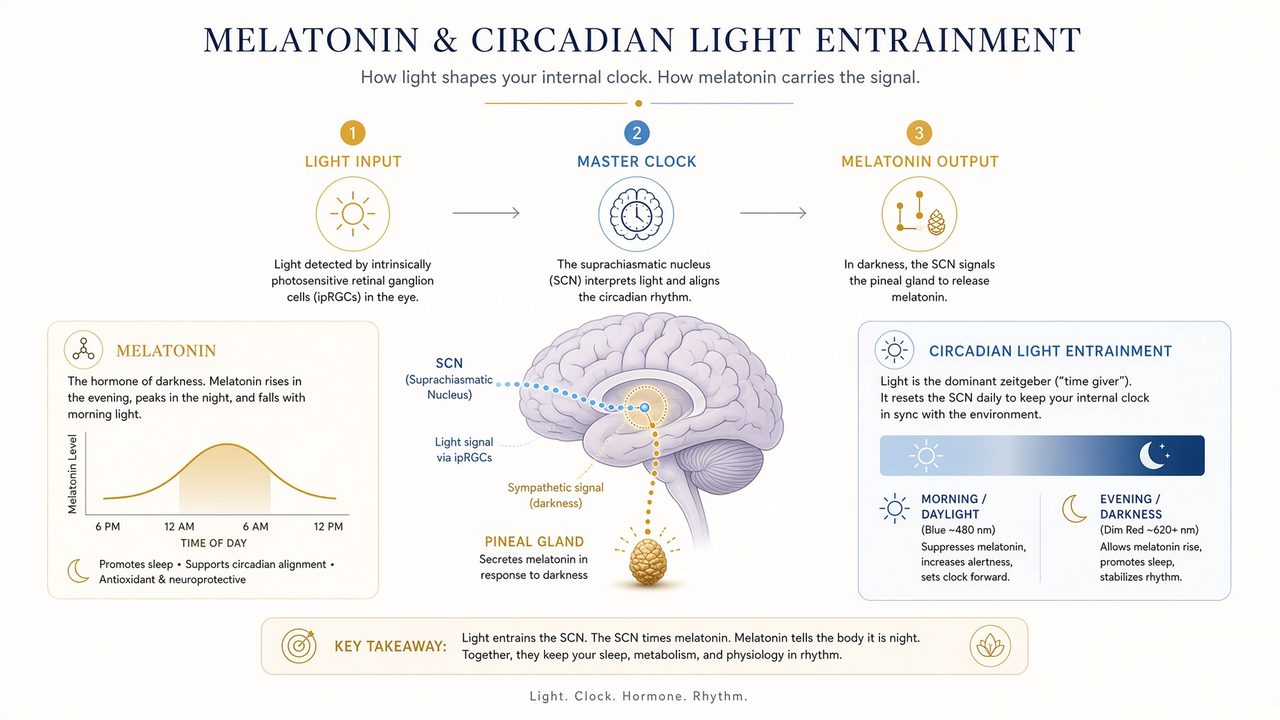
Light is the brain's most powerful time cue, and it influences mood, alertness and sleep. Clinicians use light therapy for some conditions, and researchers are exploring newer forms. Not all light products are equal.
Bright light therapy
A light box delivers about 10,000 lux of full-spectrum white light, usually filtered to remove most ultraviolet, at a comfortable distance. Light reaches melanopsin-containing retinal cells and signals the suprachiasmatic nucleus, shifting circadian rhythms and influencing mood circuits.
- Seasonal affective disorder: supported by multiple trials, and recommended by guidelines. Typical use is 20 to 30 minutes in the morning, daily, during the dark months, with improvement in one to two weeks.
- Nonseasonal depression: trials show benefit, particularly combined with antidepressants, with moderate evidence.
- Sleep timing: morning light helps delayed sleep phase, and appropriately timed light can help shift workers and jet lag.
- Older adults and dementia: some studies show improved sleep and reduced agitation with brighter daytime lighting in care settings, though results are mixed.
- Other conditions: evidence is emerging for bipolar depression, perinatal depression and Parkinson's disease, with careful supervision.
Safety
Side effects include eye strain, headache, nausea and irritability. Light can trigger mania in people with bipolar disorder, so use under medical supervision. People with eye diseases, a history of retinal conditions or taking photosensitizing medications such as some antibiotics or lithium should consult a doctor. Choose devices designed for therapy.
Red and near-infrared light (photobiomodulation)
Low-level red or near-infrared light applied to the head is thought to affect mitochondrial function, blood flow and inflammation. Small studies and pilot trials have explored traumatic brain injury, depression, stroke and cognitive impairment, with some positive signals, but evidence is early, protocols vary, and large controlled trials are needed. Consumer devices vary widely in dose.
Flickering light and sound at 40 hertz
Researchers led by Li-Huei Tsai at MIT found that exposing mice to light flickering at 40 hertz reduced amyloid in the brain and altered microglia. Early human studies show that the approach is safe and may alter brain activity, and larger trials in Alzheimer's disease are under way. It is not yet a proven treatment.
Practical tips
- Use morning light for alertness, and dim evening light to support sleep.
- Get outdoor daylight, which is much brighter than indoor light.
- Pick a quality light box and follow instructions.
- Do not stare at the light.
- Talk to a doctor about depression or sleep disorders instead of treating alone.
Light and daily routines
Pair morning light with a consistent wake time, outdoor walks and breakfast to strengthen circadian cues. In the evening, dim lights, reduce bright overhead lighting and avoid bright screens close to bedtime. If you work nights, a clinician can help time bright light and darkness to fit your schedule.
When to seek help
Persistent low mood, loss of interest, trouble functioning or thoughts of self-harm need professional care, and light therapy works best alongside a clinician's guidance.
Takeaway
Light is a real brain therapy when used well. Stick with approaches that have evidence, and treat newer light devices as experimental.
Further reading from authoritative sources
- National Institute of Neurological Disorders and Stroke (NINDS)
- National Center for Complementary and Integrative Health (NCCIH)
This article is educational and does not replace advice from a licensed clinician. See the medical disclaimer. Looking for specialist care? Browse the neurology clinic directory.