Neuroprosthetics: Restoring Function Through Technology
A neuroprosthesis is a device that replaces or supports a function of the nervous system. Some, like the cochlear implant, have been in use for decades, while others, such as brain implants that let paralyzed people control computers, are still emerging from research labs.
How neuroprosthetics work
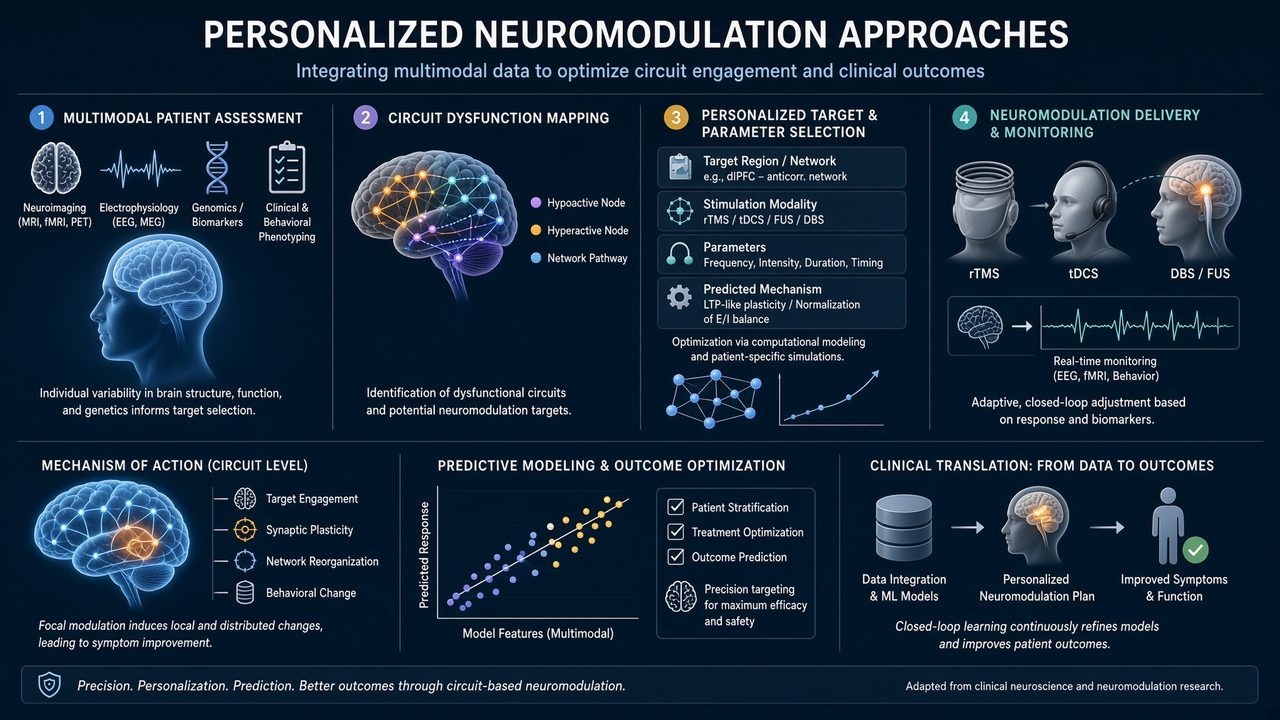
Neurons communicate with electrical signals, so devices can either read those signals, stimulate neurons with small electrical currents, or do both. The device typically has sensors or electrodes, a processor that interprets or generates signals, and a power source. Some connect to peripheral nerves, some to the spinal cord, and some to the surface or interior of the brain. The nervous system adapts to the device over time, and training is usually required.
Established examples
- Cochlear implants: electrodes in the inner ear stimulate the auditory nerve, giving a sense of sound to people with severe hearing loss. More than a million people worldwide have received them, and children implanted early can develop spoken language.
- Deep brain stimulation: implanted electrodes deliver pulses to targets in the brain to treat Parkinson's disease, essential tremor and dystonia, and are used for some cases of epilepsy and obsessive-compulsive disorder.
- Spinal cord stimulation: treats chronic pain, and epidural stimulation combined with rehabilitation has helped some people with spinal cord injury stand or walk, as shown by researchers including Grégoire Courtine and Susan Harkema.
- Vagus nerve stimulation: used for epilepsy and depression, and paired with rehabilitation for arm weakness after stroke.
- Responsive neurostimulation: a device that detects seizure activity and delivers stimulation.
- Bionic limbs: prostheses controlled by muscle signals, with sensory feedback from nerve stimulation in some research systems.

Emerging brain implants
Brain-computer interfaces record activity from the motor cortex and translate it into commands. In studies by the BrainGate consortium and others, people with paralysis have controlled cursors, robotic arms and typing at high speeds. In 2023, teams at Stanford and UCSF reported systems that decoded attempted speech into text or synthesized voice for people unable to speak, with accuracy and speed far beyond earlier devices. Visual prostheses, such as retinal implants and experimental cortical devices, aim to provide limited vision.
Challenges
- Surgery and infection risk for implanted devices
- Long-term stability: scarring and electrode degradation can reduce signal quality
- Power and wireless communication
- Safety, regulation and cost
- Decoding complexity: brain signals vary over time and between people
- Access and ethics: equitable access and consent, privacy and identity concerns
What to consider
If you or a family member is considering a neuroprosthetic, talk to a specialist about proven options first, understand the surgical risks, rehabilitation demands and follow-up, and look for devices that are approved or studied in reputable clinical trials. Beware of clinics that advertise unapproved devices.
Rehabilitation matters
A device alone rarely restores function. Users typically need weeks or months of training with therapists to learn to use a cochlear implant, a bionic limb or a brain-computer interface, and motivation and support from family play a large role in outcomes.
Takeaway
Neuroprosthetics are turning the nervous system into a two-way interface with technology. Established devices already change lives, and next-generation systems may do much more.
Further reading from authoritative sources
- National Institute of Neurological Disorders and Stroke (NINDS)
- National Center for Complementary and Integrative Health (NCCIH)
This article is educational and does not replace advice from a licensed clinician. See the medical disclaimer. Looking for specialist care? Browse the neurology clinic directory.