The Science of Brain Stimulation at Home: Safety and Evidence
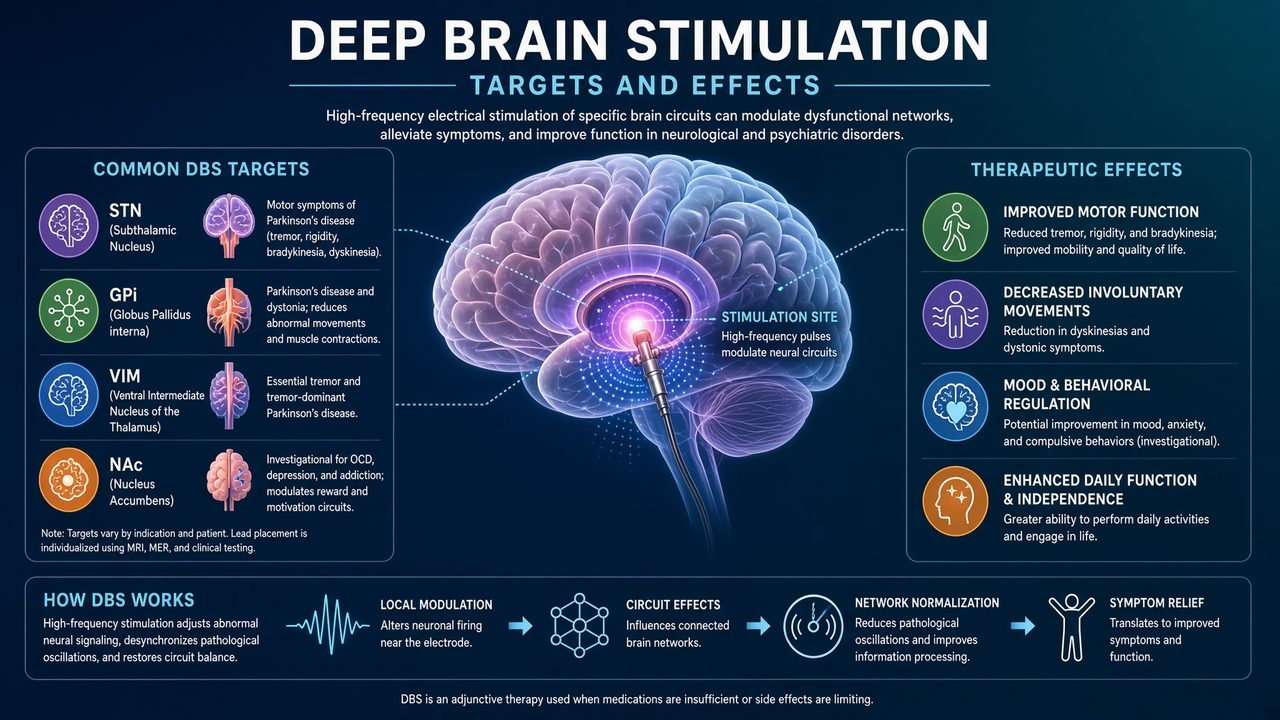
A growing market offers devices that send electrical or magnetic energy to the head or nerves, with promises of better mood, sleep, focus or recovery. A few have regulatory clearance for specific uses, while many do not have strong evidence.
Types of home devices
- Transcranial direct current stimulation (tDCS): consumer headsets deliver weak current. Evidence for cognitive enhancement is inconsistent. In the United States, the FDA has not cleared tDCS devices for depression, though some are marketed for wellness. Other countries differ.
- Cranial electrotherapy stimulation (CES): devices such as Alpha-Stim have FDA clearance for anxiety, insomnia and depression, with modest evidence and debate about effect sizes.
- Transcutaneous vagus nerve stimulation: devices stimulating the ear or neck nerves are cleared for some headache conditions (gammaCore) and under study for mood, inflammation and epilepsy.
- Transcranial alternating current stimulation, light and sound stimulation: experimental, with limited evidence. Gamma sensory stimulation at 40 hertz is being tested in Alzheimer's disease, though large trials are ongoing.
- Home TMS devices: repetitive transcranial magnetic stimulation is usually clinic-based. Some portable devices have received clearance for migraine, and home systems for depression are in development.
- Neuromodulation for headache and pain: devices like Cefaly and Nerivio for migraine are FDA-cleared and have randomized trial support.
- Electrical muscle and nerve stimulators for pain (TENS).
Evidence summary
Evidence is strongest for cleared migraine devices and for supervised treatments such as clinic-based TMS and vagus nerve stimulation. For consumer tDCS and many wellness devices, large trials show small or inconsistent effects, and problems with sham controls and placebo response. Reviews note that individual responses vary widely.
Safety considerations
- Skin irritation or burns from poor electrode contact or excessive current
- Headache, tingling, dizziness, fatigue
- Mood changes or anxiety in some people
- Seizure risk in people with epilepsy, particularly for magnetic or strong stimulation
- Implanted devices: people with pacemakers, cochlear implants, metal in the head or other implants should avoid unapproved stimulation
- Children, pregnancy and psychiatric conditions need medical advice
- Unknown long-term effects: especially with repeated use of poorly characterized dosing
- Delayed care: using a device instead of treatment for depression, pain or sleep disorders
Questions to ask
- Is the device cleared or approved for my specific condition, and in my country?
- What do independent, peer-reviewed trials show?
- What are the contraindications and side effects?
- Does a clinician supervise?
- How does the manufacturer handle data and returns?
DIY warnings
Building or modifying devices from online instructions is not recommended. Current levels and electrode positions matter, and errors can injure the skin or brain.
Working with a clinician
Before starting any stimulation device, describe your symptoms, medications and medical history to a clinician. They can screen for contraindications, suggest evidence-based options and track whether the device helps. If you notice new headaches, mood changes, skin damage or worsening symptoms, stop use and seek advice.
Takeaway
Home stimulation is not risk-free or uniformly effective. Choose cleared devices for defined uses, consult your clinician and be skeptical of dramatic claims.
Further reading from authoritative sources
- National Institute of Neurological Disorders and Stroke (NINDS)
- National Center for Complementary and Integrative Health (NCCIH)
This article is educational and does not replace advice from a licensed clinician. See the medical disclaimer. Looking for specialist care? Browse the neurology clinic directory.