Transcranial Direct Current Stimulation (tDCS) Explained
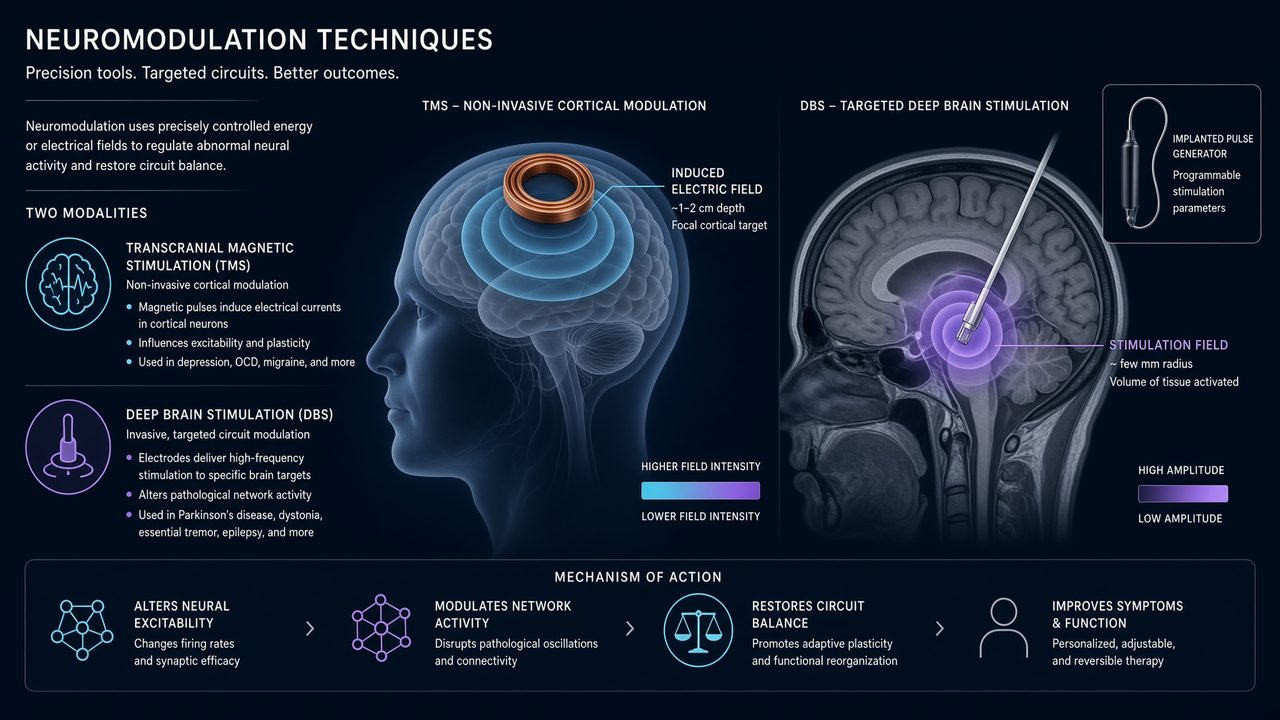
Transcranial direct current stimulation, or tDCS, is a noninvasive technique that applies a weak electrical current to the scalp through electrodes. It has been studied for depression, stroke rehabilitation, pain, and attention and memory, and it is also sold in consumer devices, which makes it important to understand the science.
How it works
Two electrodes, an anode and a cathode, are placed on the scalp, and a current of about 1 to 2 milliamps flows between them for 20 to 30 minutes. Only a small portion of current reaches the brain, and it is not strong enough to make neurons fire by itself. Instead, it slightly shifts the membrane potential of neurons. Anodal stimulation tends to increase excitability and cathodal to decrease it, in simplified terms, though real effects depend on the brain state, current flow and individual anatomy. Stimulation combined with a task, such as training or rehabilitation, may strengthen effects through plasticity, and effects can persist after stimulation ends, in the form of changes in synaptic efficacy.
What studies show
- Depression: several meta-analyses suggest that tDCS over the left prefrontal cortex can modestly reduce depressive symptoms. A trial in the United Kingdom (TREC-DEP) and others have shown mixed results compared with medication, and tDCS is approved in some countries but not as a mainstream treatment in the United States, where the FDA has not cleared it for depression.
- Stroke rehabilitation: tDCS combined with therapy has shown small benefits for motor and language recovery in some trials, but large trials, such as the TRANSPORT2 trial, found no clear advantage.
- Pain: some benefits in fibromyalgia and chronic pain, with variable evidence.
- Cognition: studies in healthy people and in mild cognitive impairment report small effects on working memory, attention or learning, but replication is inconsistent. Large analyses have questioned whether single-session effects are reliable.
- Other uses: aphasia, schizophrenia, addiction cravings and ADHD are under study.

Why results vary
Differences in electrode position, current dose, duration, skull and brain anatomy, baseline state, time of day and task all matter, and small studies with flexible methods can overestimate effects. Researchers increasingly use computer models to personalize stimulation.
Safety
In supervised research, tDCS is generally considered safe, with mild effects such as tingling, itching, redness, headache or fatigue. Rarely, skin burns can occur from poor electrode contact. Long-term effects of repeated home use are not well studied, and effects on children, pregnant people, people with metal implants or epilepsy require caution.
Consumer devices
Home headsets are marketed for focus, mood and gaming. Evidence for these products is limited, and devices differ from research systems in dose control. Do-it-yourself setups carry added risks. If you are considering tDCS for a medical condition, talk to a clinician, and look for approved clinical trials.
Questions to ask before trying it
Ask whether the device is regulated for your condition, what dose and schedule are used, whether a sham-controlled trial supports it, and what side effects to watch for. Do not use it over broken skin, and avoid it if you have implanted metal or devices in the head, a history of seizures or unexplained symptoms without medical evaluation.
Takeaway
tDCS is an intriguing research tool with modest and inconsistent benefits so far. Treat claims of dramatic cognitive enhancement with skepticism.
Further reading from authoritative sources
- National Institute of Neurological Disorders and Stroke (NINDS)
- National Center for Complementary and Integrative Health (NCCIH)
This article is educational and does not replace advice from a licensed clinician. See the medical disclaimer. Looking for specialist care? Browse the neurology clinic directory.