Transcranial Magnetic Stimulation (TMS) for Depression
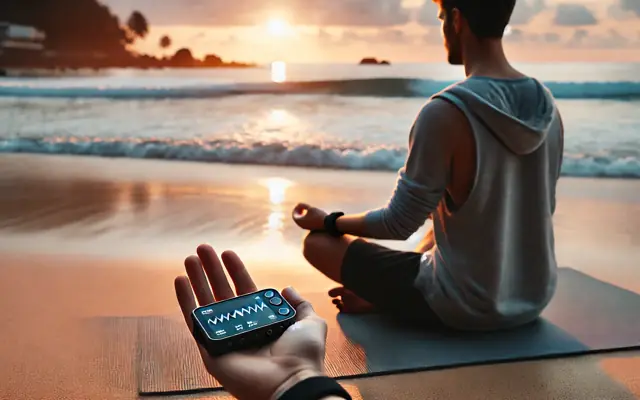
Transcranial magnetic stimulation, or TMS, is a noninvasive treatment that uses magnetic pulses to stimulate specific areas of the brain. In the United States it has been cleared by the Food and Drug Administration for adults with major depression who have not improved enough with antidepressant medication. It does not require anesthesia or surgery, and people can drive themselves home afterward.
How TMS works
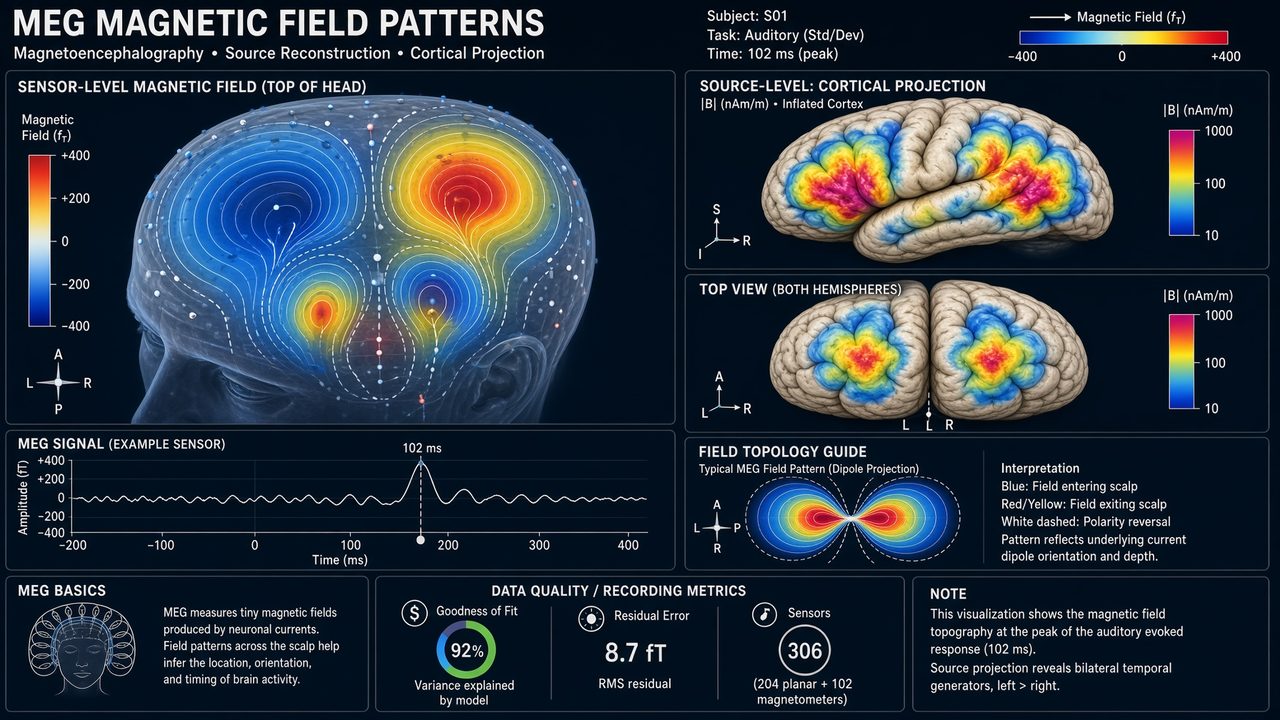
A treatment coil is placed against the scalp. Brief electrical current in the coil creates a rapidly changing magnetic field that passes painlessly through the skull and induces small electrical currents in the brain tissue beneath. For depression, the coil is typically aimed at the dorsolateral prefrontal cortex, a region involved in mood regulation that tends to show reduced activity in depression and is connected to deeper mood circuits.
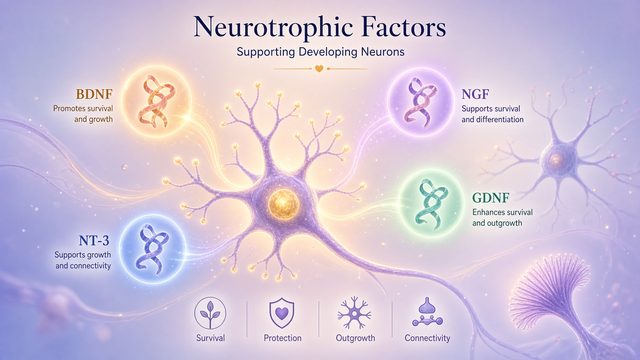
Repeated stimulation is thought to change the excitability of neurons and strengthen or weaken connections over time, a form of induced plasticity. The treatment is thought to influence broader networks involving the anterior cingulate and limbic regions.
What a treatment course looks like
- Evaluation. A psychiatrist reviews your history, previous treatments and medical conditions, and checks for contraindications.
- Mapping. On the first visit, the clinician finds the right spot and the correct intensity based on how much stimulation it takes to make your thumb twitch when stimulating the motor cortex.
- Daily sessions. A standard course involves sessions five days a week for about four to six weeks, followed sometimes by a taper. A typical session lasts roughly 20 to 40 minutes.
- Newer protocols. Intermittent theta-burst stimulation takes only a few minutes per session, and accelerated, personalized protocols have been cleared that compress treatment into a shorter time frame.
You stay awake and can read or listen to music during the session. You hear clicking noises and feel a tapping sensation on the scalp.
How effective is it?
In clinical studies of people who did not benefit from medications, roughly half experience a meaningful reduction in symptoms, and about a third reach remission, although numbers vary between studies and in real-world clinics. For many people the benefits last for months. Some need maintenance sessions later. TMS is not effective for everyone, and researchers continue to study how to predict who will respond.
Side effects and risks
- Scalp discomfort or headache at the treatment site, which usually decreases over the first week
- Facial twitching during stimulation
- Lightheadedness
- Hearing risk, so ear protection is used
- Seizure, which is rare, occurring in well below one in a thousand patients
TMS does not cause memory loss, which distinguishes it from electroconvulsive therapy.
Who should not have TMS
Because of the magnetic field, TMS is generally not suitable for people with metallic implants in or near the head, such as aneurysm clips or cochlear implants. A history of seizures requires special consideration. A clinician will evaluate your situation.
Other conditions
Some TMS devices have regulatory clearance for obsessive-compulsive disorder, smoking cessation and migraine with aura, and research is exploring uses in anxiety, PTSD, stroke rehabilitation and chronic pain.
Cost and access
Insurance coverage often requires documentation that you have tried and not responded to several antidepressants and psychotherapy. Availability is greatest in academic medical centers and specialty clinics, and many outpatient psychiatry practices now offer it.
Questions to ask a provider
- Which device and protocol do you use?
- How many patients have you treated?
- What outcome measures do you track?
- What happens if it works or does not work?
- What will it cost and does insurance cover it?
The takeaway
TMS offers an additional option for people with depression who have not found relief from standard treatments. It works best as part of a comprehensive plan including psychotherapy, medication management and healthy routines, supervised by a qualified clinician. If you are in crisis, call or text 988 in the United States.
Further reading from authoritative sources
- National Institute of Neurological Disorders and Stroke (NINDS)
- National Center for Complementary and Integrative Health (NCCIH)
This article is educational and does not replace advice from a licensed clinician. See the medical disclaimer. Looking for specialist care? Browse the neurology clinic directory.