Ultrasound and Brain Health: Focused Ultrasound Explained
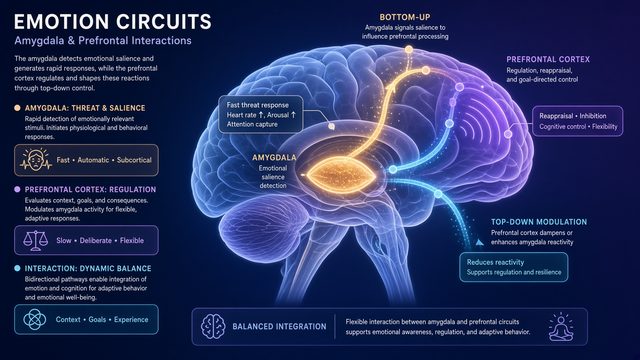
Ultrasound is best known for imaging pregnancy, but sound waves can also treat the brain. Focused ultrasound concentrates many beams on a tiny spot deep inside the brain, with no incision, which makes it one of the most intriguing noninvasive technologies in neurology.
How it works
A helmet-like array of hundreds of transducers sends sound waves through the skull. Individually they pass harmlessly, but where the beams converge, energy concentrates. MRI guides targeting, and temperature mapping monitors the effect. Depending on the settings, the effect can be thermal, mechanical or neuromodulatory.
Approved and established uses
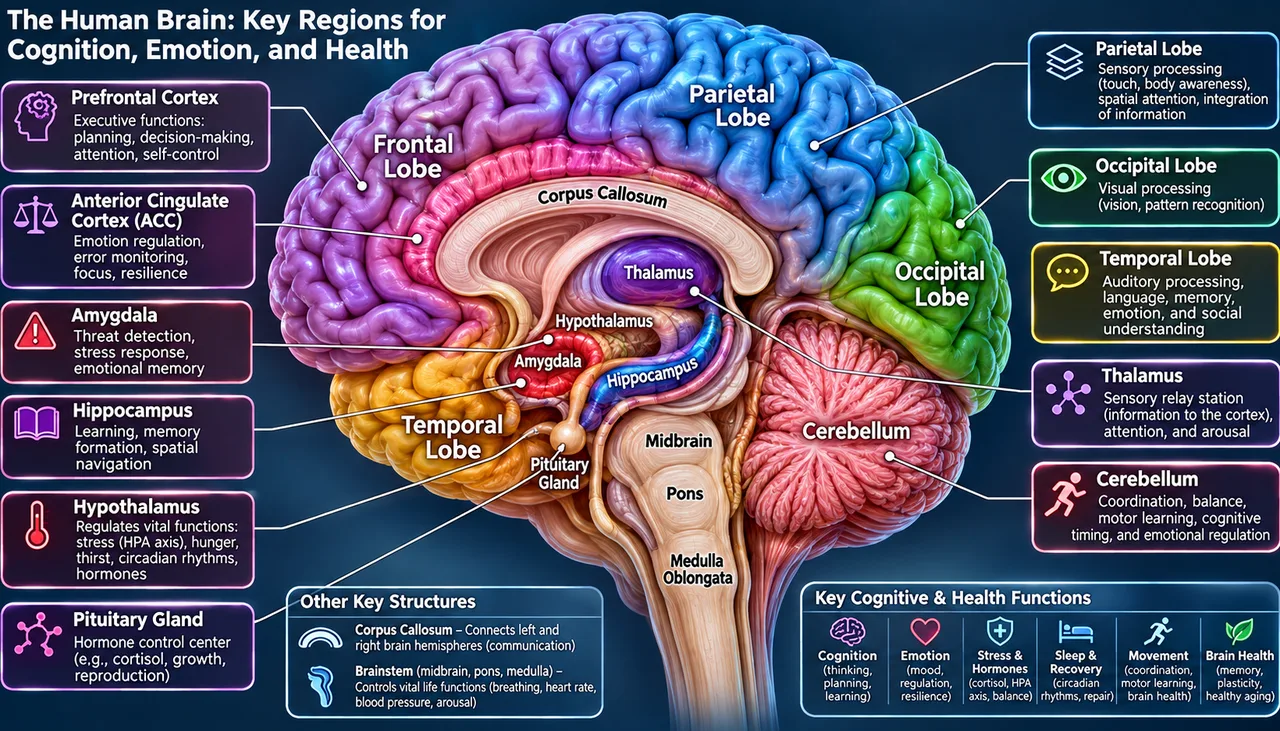
- Essential tremor: MR-guided focused ultrasound thalamotomy creates a small lesion in the ventral intermediate nucleus of the thalamus, often reducing tremor in the treated hand dramatically in a single session. The FDA approved it in 2016, and trials showed lasting benefit in many patients, though some experience numbness or balance problems.
- Parkinson's disease: approved for tremor-dominant disease or for medication-related motor complications on one side, targeting the globus pallidus or thalamus, according to clearances granted since 2018 and 2021.
- Fibroids and bone metastasis pain: outside the brain, focused ultrasound is used for other conditions.
Investigational uses
- Blood-brain barrier opening: combined with injected microbubbles, low-intensity focused ultrasound temporarily loosens the barrier in a targeted area. Studies by Nir Lipsman and Kullervo Hynynen in Toronto showed safe opening in people with Alzheimer's disease and ALS, and increased delivery of antibodies or chemotherapy in trials. In Alzheimer's, a study in West Virginia reported reduced amyloid in regions treated after opening the barrier alongside an antiamyloid antibody.
- Neuromodulation: low-intensity pulses can excite or inhibit neurons without heating. Researchers are exploring its use for depression, epilepsy, pain, addiction and obsessive-compulsive disorder, and as a research tool for mapping brain function. Early trials are small.
- Brain tumors and stroke: exploration of drug delivery and clot dissolving.
- Neurodegenerative disease: work ongoing.
Risks and limits
Treatments are done with a head frame and in an MRI scanner, so they require staying still for hours. Thermal lesions are permanent, and side effects include headache, numbness, balance disturbance and, rarely, bleeding. Skull density affects eligibility. Treatment is typically limited to one side of the brain at first, and bilateral procedures raise additional safety questions. Neuromodulation effects remain under study.
Is it right for me?
People interested in focused ultrasound for tremor are evaluated by a neurologist and a neurosurgeon, with a CT scan to measure skull density and MRI to check anatomy. Ask about expected benefit, rare side effects, cost and insurance coverage, and compare with deep brain stimulation, medication and other options.
Future directions
Newer systems aim to treat both sides of the brain, to reach more targets and to deliver drugs and gene therapies to precise regions. Larger trials will clarify who benefits most.
Takeaway
Focused ultrasound is transforming care for some movement disorders and opening new routes for drugs. Other uses are promising but remain in trials.
Further reading from authoritative sources
- National Institute of Neurological Disorders and Stroke (NINDS)
- National Center for Complementary and Integrative Health (NCCIH)
This article is educational and does not replace advice from a licensed clinician. See the medical disclaimer. Looking for specialist care? Browse the neurology clinic directory.