Alcohol and the Brain: What Moderate Drinking Really Does

For years, headlines suggested that a drink or two a day might be good for the brain and heart. More recent, larger and better-designed studies have changed that picture. Research now suggests that for the brain, no amount of alcohol is clearly beneficial, and even moderate drinking may carry measurable risks.
How alcohol affects the brain
Alcohol readily crosses the blood-brain barrier. It enhances the activity of GABA, the brain's main inhibitory transmitter, and dampens glutamate, the main excitatory one, producing relaxation, slowed reactions and impaired coordination. It also triggers dopamine release, contributing to reward and the potential for dependence.
What "moderate" means
U.S. dietary guidelines define moderate drinking as up to one drink per day for women and two for men. A standard drink in the United States contains about 14 grams of alcohol, such as 12 ounces of beer, 5 ounces of wine or 1.5 ounces of spirits. The UK advises no more than 14 units a week, spread over several days.

What large studies show
- Brain volume. An analysis of over 36,000 people in the UK Biobank, published in 2022, found that even light to moderate drinking was associated with lower gray and white matter volume, with the association strengthening as consumption rose.
- White matter. Higher intake is linked to reduced white matter integrity in several studies.
- Cognition. The Whitehall II cohort found that drinking more than 14 units a week was associated with faster decline in some cognitive functions and with hippocampal atrophy.
- Dementia. A large 2018 study in France and a genetic analysis published in 2022 suggest that alcohol is a risk factor for dementia, and that earlier findings of benefits from light drinking may reflect biases, such as former drinkers who stopped for health reasons being counted as abstainers. Some studies still show a lower risk for light drinkers, so the picture is not fully settled.
- Stroke. Even moderate drinking may raise stroke risk, particularly hemorrhagic stroke.
Most of these studies are observational, and associations may not prove cause, though genetic studies that mimic randomization point in the same direction.
Heavy and binge drinking
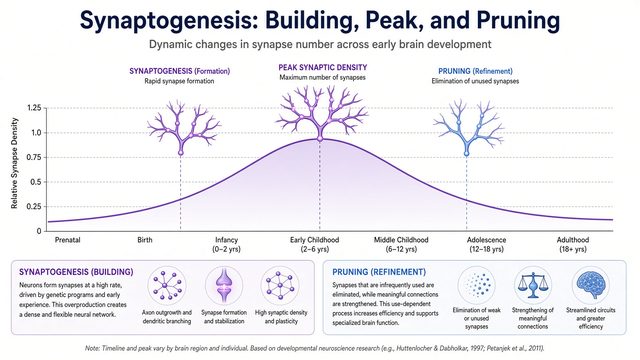
Heavy drinking can cause lasting damage: shrinkage of the frontal lobes and cerebellum, memory problems, impaired decision-making and, in people with thiamine deficiency, Wernicke-Korsakoff syndrome, a serious condition with confusion, eye movement problems, unsteady walking and profound memory loss. Binge drinking in adolescents and young adults may affect the developing brain, and heavy use in pregnancy causes fetal alcohol spectrum disorders.
Sleep and mood
Alcohol may help you fall asleep, but it fragments sleep, suppresses REM sleep and worsens snoring and sleep apnea. It is also linked with depression and anxiety. Regular heavy use can intensify both.
Recovery
The brain has some capacity to recover after people stop drinking. Brain volume increases and cognitive performance can improve over weeks to months of abstinence, though recovery may be incomplete after long-term heavy use.
Reducing risk
- Know your intake. Track how much you drink.
- Consider drinking less or not at all. Health bodies including the World Health Organization state that no level of alcohol use is entirely safe for health.
- Set limits and alcohol-free days.
- Never drink and drive, and avoid alcohol if pregnant or planning pregnancy.
- Eat while drinking and alternate with water.
- Avoid mixing with medications that cause drowsiness.
- Seek help if you struggle to cut down. A doctor or services such as the SAMHSA helpline in the U.S. can provide support.
Bottom line
The old idea that a daily drink protects the brain has weakened under scrutiny. If you do drink, less is better for your brain.
Further reading from authoritative sources
This article is educational and does not replace advice from a licensed clinician. See the medical disclaimer. Looking for specialist care? Browse the neurology clinic directory.