How Diet Affects Sleep and Brain Recovery
Sleep and diet affect each other in a loop. Poor sleep changes food choices, and food choices change sleep. Because sleep is when the brain clears waste and consolidates memory, eating to support sleep is also eating for brain recovery.
What studies show
- Fiber and sugar: a small study by Marie-Pierre St-Onge and colleagues found that higher fiber and lower saturated fat and sugar intake were associated with more slow wave sleep, while higher sugar and saturated fat intake was associated with lighter, more fragmented sleep. In a controlled feeding study, a high-fiber diet increased deep sleep, and a high-sugar, low-fiber diet reduced it.
- Mediterranean diet: greater adherence is associated with better sleep quality and less insomnia in observational studies.
- Tryptophan and carbohydrates: tryptophan, a precursor of serotonin and melatonin, is found in turkey, eggs, dairy, nuts and seeds. Dietary tryptophan has small effects on sleep, and carbohydrate meals consumed four hours before bedtime may shorten sleep onset in some studies, though evidence is limited.
- Kiwi, tart cherries and fatty fish: small trials suggest improvements in sleep with kiwi fruit, tart cherry juice (a source of melatonin) and omega-3-rich fish, but evidence is preliminary.
- Magnesium and other micronutrients: low intakes may contribute to poor sleep, as discussed in other articles.
- Meal timing: heavy or large meals close to bedtime can cause reflux and disturb sleep, and very late eating is linked to poorer sleep and metabolic effects. Going to bed very hungry can also impair sleep.
- Caffeine and alcohol: caffeine can disturb sleep for six or more hours after intake, and alcohol fragments sleep and reduces REM.
- Spicy and high-fat foods: may worsen reflux for some people.
How sleep affects diet
Sleep loss raises ghrelin, lowers leptin, increases cravings for sugary and fatty foods, and weakens self-control, so people eat more calories, as discussed in the sleep and weight article. This creates a cycle in which poor sleep drives poor diet, which further disrupts sleep.

Diet, sleep and brain recovery
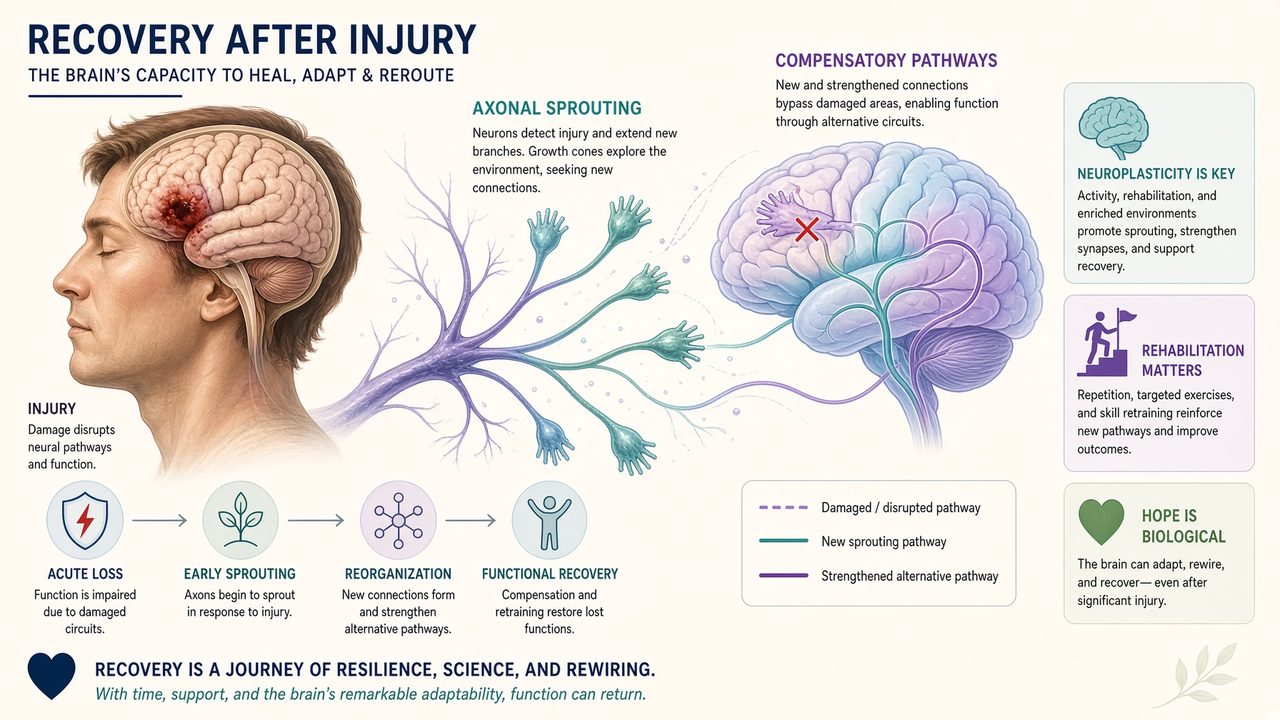
Slow wave sleep supports waste clearance by the glymphatic system, memory consolidation and synaptic reset. Chronic poor sleep is associated with higher amyloid burden and inflammation. A diet that supports sleep and reduces inflammation may therefore support brain recovery after strain, stress or injury. After concussion, adequate sleep and nutrition are central to recovery.
Eating for better sleep
- Eat regular meals, and finish large meals two to three hours before bed.
- Choose whole foods: vegetables, fruit, legumes, whole grains, nuts, seeds and fish.
- Include fiber, and limit added sugar and refined carbohydrates.
- Limit saturated fat from fried and fatty processed foods.
- Stop caffeine at least eight hours before bed, and limit alcohol.
- Consider a small snack if hungry before bed, such as yogurt, a banana, or whole grain toast with nut butter.
- Stay hydrated during the day, and reduce fluids close to bedtime if nighttime bathroom trips wake you.
- Experiment mindfully: foods like kiwi or tart cherry may help, but do not expect miracles.
- Do not rely on supplements without medical guidance, particularly melatonin or herbal products.
- Address medical issues: reflux, sleep apnea and others need medical care.
Takeaway
What you eat shapes how you sleep, and how you sleep shapes how your brain recovers. A whole-foods diet and sensible timing are a good foundation.
Further reading from authoritative sources
This article is educational and does not replace advice from a licensed clinician. See the medical disclaimer. Looking for specialist care? Browse the neurology clinic directory.