How Salt Affects the Brain
Salt is essential for nerve signaling, but most people eat far more than they need. Excess sodium raises blood pressure, and since the brain depends on healthy blood vessels, high-salt diets may affect cognition and stroke risk.
Sodium and neurons
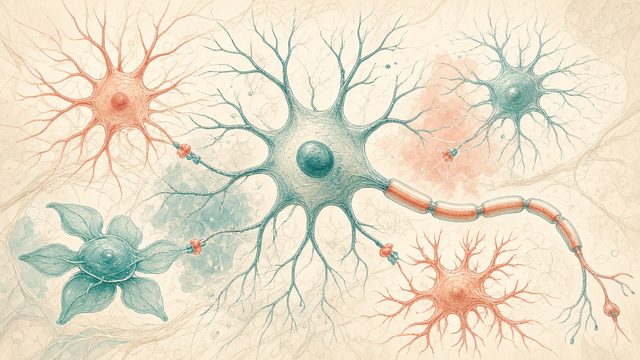
Neurons fire electrical signals using sodium and potassium gradients across the cell membrane. Blood sodium is tightly regulated by the kidneys, hormones and the brain. Too little sodium (hyponatremia) causes confusion, headache, seizures and coma, while too much (hypernatremia) causes thirst, confusion and brain shrinkage in severe cases. These are conditions of fluid balance disorders, not simply dietary salt.
High salt intake and the brain
- Blood pressure and stroke: sodium raises blood pressure in many people, and hypertension is the strongest modifiable risk factor for stroke and vascular cognitive impairment. Reducing sodium lowers blood pressure and stroke risk, according to trials such as DASH-Sodium and meta-analyses.
- Cognition and dementia: observational studies link high sodium intake with poorer cognitive performance and increased dementia risk in some cohorts, though findings are not consistent. A study in mice by Costantino Iadecola and colleagues at Weill Cornell found that a high-salt diet caused cognitive impairment independent of blood pressure by impairing blood vessel dilation in the brain via an immune response in the gut involving T helper 17 cells, reducing nitric oxide, and the effects were reversible when salt was reduced.
- Brain blood vessels: high salt stiffens arteries and impairs the blood-brain barrier in animal models.
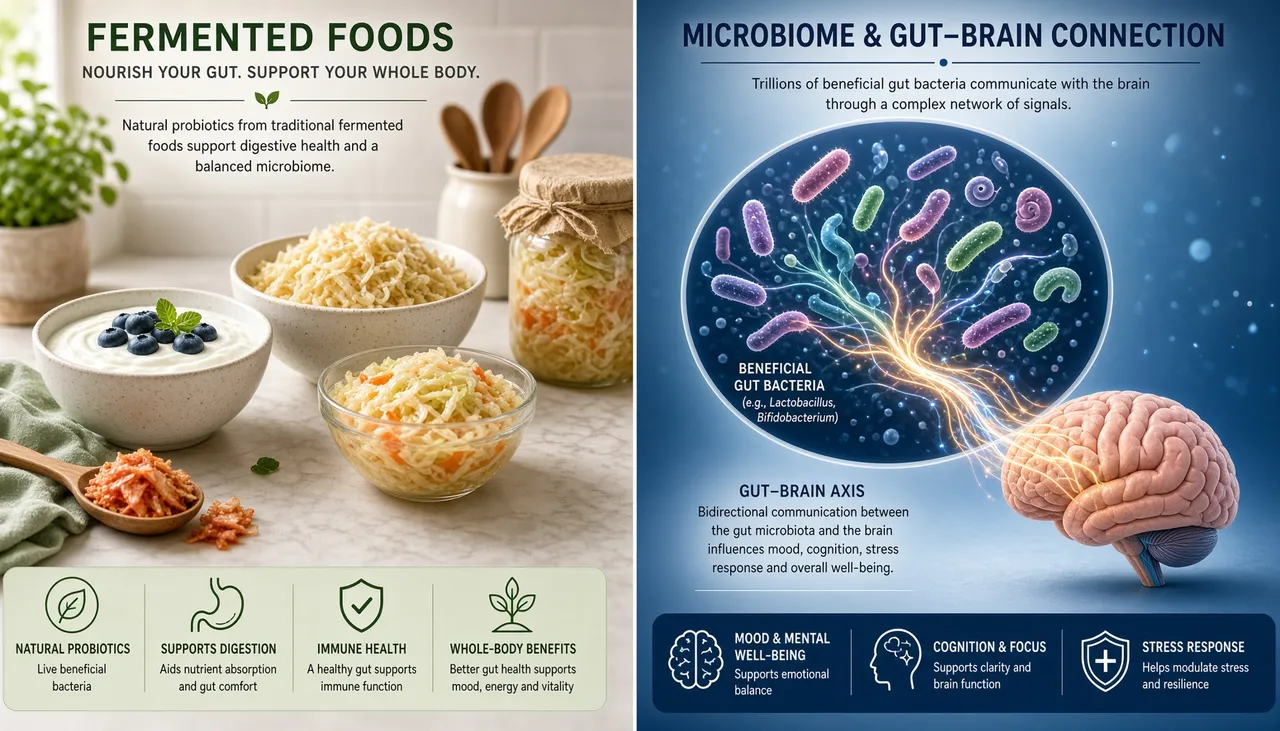
- Gut-brain effects: high-salt diets alter gut microbiota and immune activity.
- Human data: a study of older adults found that those with the highest sodium intake had worse cognitive scores, whereas other studies found no relationship or a U-shaped pattern, reflecting the difficulty of measuring salt intake accurately. Large trials on salt and dementia are lacking.
- Mood and behavior: research is limited.

How much salt
Health authorities recommend limiting sodium to less than 2,300 mg per day (about one teaspoon of salt), with an ideal of 1,500 mg for people with hypertension, according to American Heart Association guidance, while the World Health Organization advises less than 2 grams of sodium (5 grams of salt) per day. The average American consumes about 3,400 mg per day. More than 70 percent of sodium comes from packaged and restaurant food, not the salt shaker.
The brain's salt appetite
The brain has dedicated circuits for sodium appetite, involving neurons in the nucleus of the solitary tract and parabrachial nucleus that respond to sodium depletion, and the hormones aldosterone and angiotensin. Salty foods also activate reward circuits, which may help explain cravings for salty snacks.
Ways to cut back
- Check labels for sodium, and choose "low sodium" options.
- Cook at home more, and use herbs, spices, lemon, garlic and vinegar for flavor.
- Limit processed meats, canned soups, instant noodles, sauces and salty snacks.
- Rinse canned beans and vegetables.
- Ask restaurants for less salt, and share large portions.
- Eat more potassium-rich foods such as fruits, vegetables and beans, which help counter sodium's effect on blood pressure (unless your doctor advises otherwise because of kidney disease or medications).
- Reduce gradually, since taste adapts within weeks.
- Monitor blood pressure and see a doctor about hypertension.
- Do not eliminate salt entirely, and talk to a doctor before restricting if you have conditions that affect sodium balance, such as adrenal disease, or take diuretics, or are a heavy sweater.
Takeaway
Moderating salt supports the blood vessels that nourish the brain. Small, steady reductions can make a real difference over time.
Further reading from authoritative sources
This article is educational and does not replace advice from a licensed clinician. See the medical disclaimer. Looking for specialist care? Browse the neurology clinic directory.