The Neuroscience of Cold Exposure
Cold plunges and cold showers have become popular wellness rituals, with claims about focus, mood and resilience. The science shows real physiological responses, along with plenty of hype, and some genuine risks.
What happens in the body
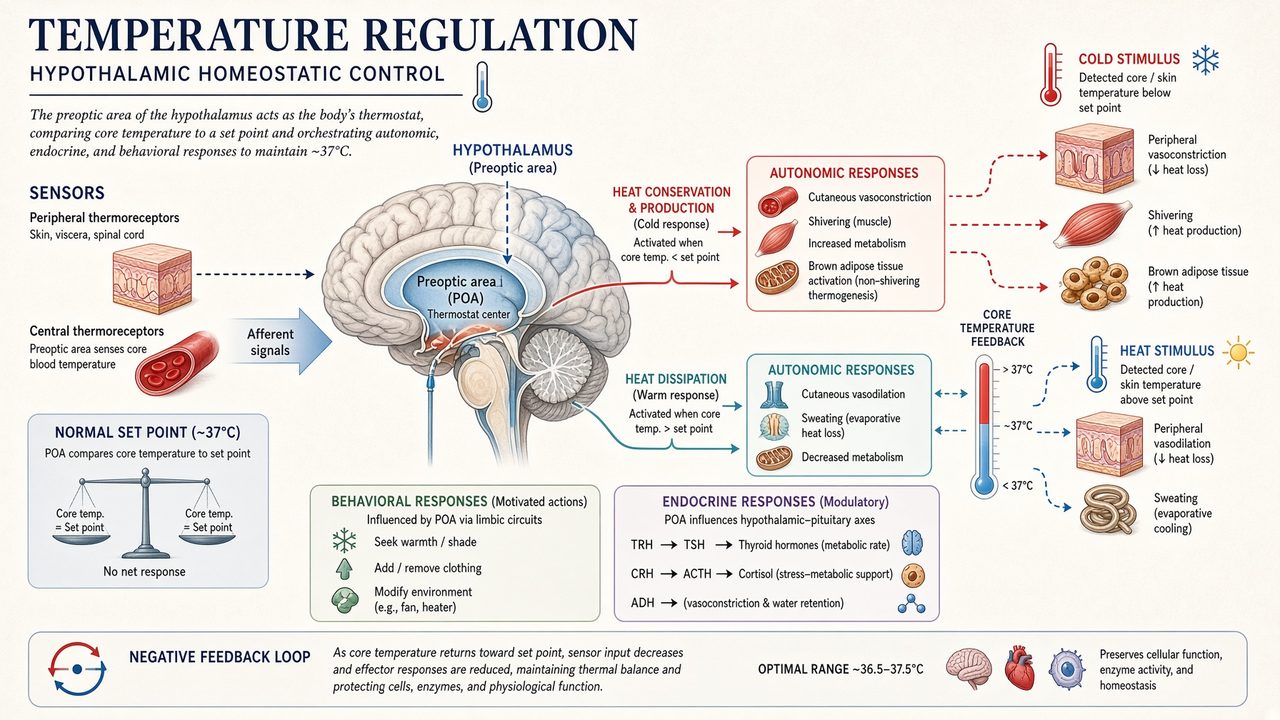
When cold water hits the skin, receptors signal the brain, and the sympathetic nervous system fires. Heart rate, breathing and blood pressure jump, a reaction called the cold shock response, and blood vessels in the skin constrict. The locus coeruleus releases noradrenaline, and levels of the hormone in the blood have been reported to rise severalfold in some immersion studies. Dopamine may also increase, which could contribute to feeling energized afterward.
What studies suggest
- Noradrenaline and dopamine: a widely cited study from the Czech Republic by Šrámek and colleagues found that immersion in 14 degree Celsius water for one hour increased plasma noradrenaline by about 530 percent and dopamine by about 250 percent. These levels fell after exposure, and the study was small.
- Mood: small trials and surveys report improved alertness and mood after cold showers or winter swimming. A study of regular cold-water swimmers found improved mood and well-being scores, but participants self-selected, and expectation effects are likely.
- Depression: a case report and a few small studies suggest benefits, but there are no large randomized trials to recommend cold water as a treatment.
- Cold showers and sick days: a Dutch randomized trial of over 3,000 adults found that ending showers with 30 to 90 seconds of cold water did not reduce illness, though it reduced sickness absence from work, perhaps because people felt more energetic.
- Brown fat and metabolism: regular cold exposure may increase brown adipose tissue activity, with small effects on energy expenditure.
- Inflammation and recovery: cold water immersion after exercise may reduce soreness but can blunt muscle and strength adaptations if done regularly after resistance training.
- Wim Hof method: a small study at Radboud University showed that trained participants using breathing, meditation and cold exposure could modulate their immune response to endotoxin, but the findings need replication.

Risks
- Cold shock: sudden immersion can cause gasping, hyperventilation and, in cold open water, drowning risk.
- Heart and blood pressure: the sudden strain can trigger arrhythmias or heart attacks in vulnerable people.
- Hypothermia and frostbite with prolonged exposure.
- Not suitable for some: people with heart disease, uncontrolled high blood pressure, Raynaud's disease, pregnancy or other conditions should check with a doctor first.
- Never swim alone in cold open water, and never combine with alcohol. Breathing techniques that involve hyperventilation should never be practiced in or near water, since they can cause blackout.
Sensible ways to try it
- Start with a cool shower, then finish with 15 to 30 seconds of cold, building slowly.
- Control your breathing: exhale slowly and avoid breath-holding in the first moments.
- Keep sessions short, typically one to three minutes in cold water around 10 to 15 degrees Celsius.
- Warm up gradually afterward with dry clothing and warm drinks.
- Listen to your body, and stop if you feel dizzy or chest pain.
- Avoid immediately after resistance training if building muscle is a goal.
Takeaway
Cold exposure is a quick way to feel alert, and some people enjoy the mood lift. It is not a proven treatment for depression or a replacement for sleep, exercise or therapy, and it should be approached with care.
Further reading from authoritative sources
This article is educational and does not replace advice from a licensed clinician. See the medical disclaimer. Looking for specialist care? Browse the neurology clinic directory.