The Neuroscience of Exercise: How Movement Boosts Mood
If a drug could improve mood, sharpen attention, support memory, help sleep and lower dementia risk, it would be a blockbuster. Exercise does all of these to varying degrees, and neuroscience is uncovering how.
What happens in the brain during and after exercise
Neurotransmitters and endorphins
Exercise increases activity of dopamine, serotonin and norepinephrine systems, the same systems targeted by many medications for mood and attention. It also triggers release of endorphins and endocannabinoids, which are thought to contribute to the pleasant feeling many people experience, often called the "runner's high." Researchers note that the exact roles of these molecules are still being clarified.
Growth factors
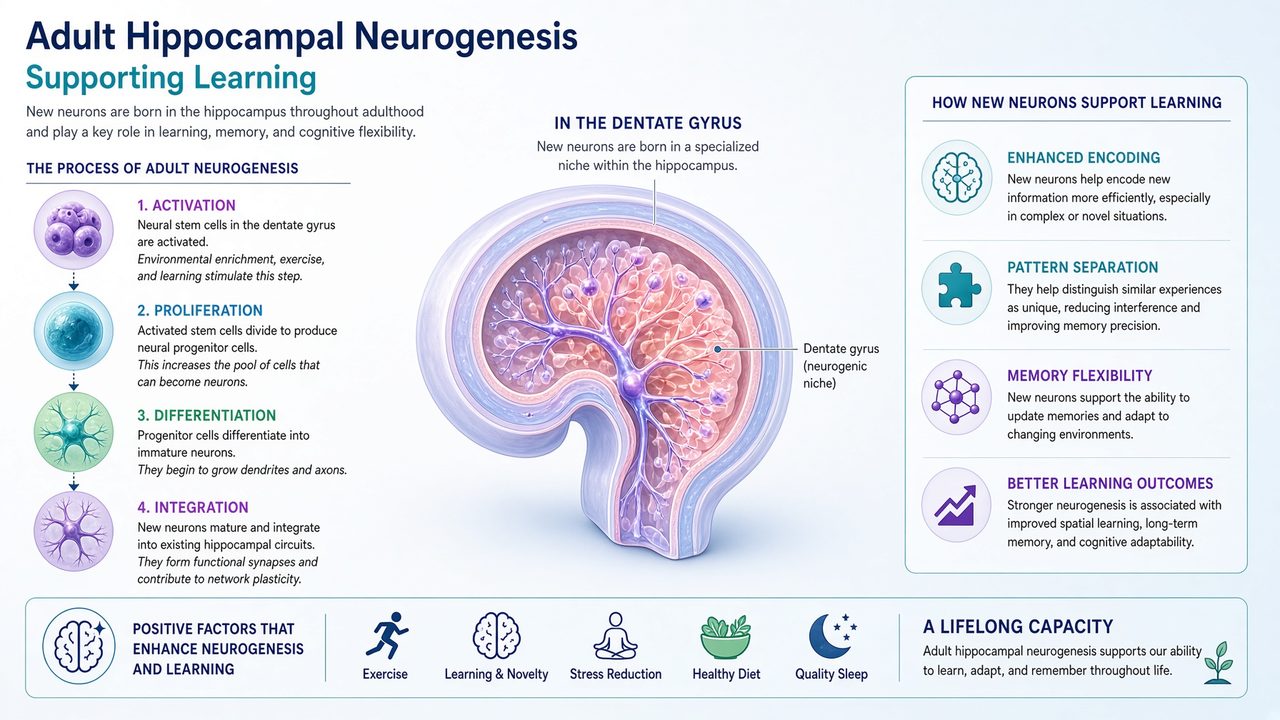
Aerobic exercise increases levels of brain-derived neurotrophic factor (BDNF), a protein that supports the survival and growth of neurons and the strengthening of synapses. In animals, exercise increases the generation of new neurons in the hippocampus, a region important for memory. In humans, a randomized trial in older adults found that a year of moderate aerobic walking increased hippocampal volume by about two percent, while the stretching control group showed typical age-related shrinkage.
Blood flow and vascular health
Exercise improves blood vessel function and brain blood flow, and lowers blood pressure and cardiovascular risk, which are all linked with cognitive aging.
Inflammation and stress
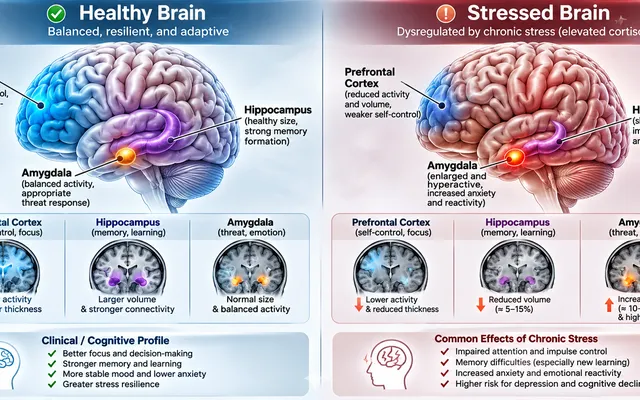
Regular exercise tends to lower chronic inflammation and improve the stress response, which helps mood.
Benefits supported by research
- Mood and depression: Meta-analyses show that exercise reduces depressive symptoms, with effects comparable to some other treatments for mild to moderate depression. It also helps as an add-on in more severe cases.
- Anxiety: Regular activity is associated with reduced anxiety symptoms.
- Memory and thinking: Aerobic exercise is associated with small to moderate improvements in cognitive function, particularly executive function and processing speed, in adults and older adults.
- Attention and learning: Short bouts of activity can improve attention for some time afterward, especially in children.
- Dementia risk: Higher lifetime physical activity is linked to lower dementia risk in observational studies.
- Sleep: Regular exercise is associated with improved sleep quality.

How much exercise is enough
Public health guidelines recommend at least 150 minutes per week of moderate activity (such as brisk walking) or 75 minutes of vigorous activity, plus muscle-strengthening activities on two or more days. Even smaller amounts are beneficial compared with none. Many studies suggest the largest gains come from moving from inactive to modestly active.
What type is best
- Aerobic exercise has the strongest evidence for brain health.
- Resistance training also supports cognition and mood.
- Mind-body activities such as yoga and tai chi offer benefits for mood, stress and balance.
- Coordination-heavy activities such as dance or racquet sports combine physical and cognitive demands.
The best exercise is the one you enjoy and will keep doing.
Getting started
1. Start small. A ten-minute walk counts. 2. Build gradually, adding time before intensity. 3. Schedule it, as you would any appointment. 4. Find company, since social support boosts consistency. 5. Pick something enjoyable.
Cautions
Talk to your doctor before beginning a new program if you have heart disease, uncontrolled blood pressure, diabetes, joint problems or other medical conditions, or if you have been inactive for a long time. If exercise feels compulsive or causes injury, seek guidance.
Further reading from authoritative sources
This article is educational and does not replace advice from a licensed clinician. See the medical disclaimer. Looking for specialist care? Browse the neurology clinic directory.