Yoga and the Brain: What Research Shows

Yoga has moved from ancient practice to mainstream health activity, and researchers have been testing its effects on the brain. The evidence is promising for stress, mood and attention, though many studies are small.
What yoga includes
Modern yoga typically combines physical postures (asanas), breathing exercises (pranayama) and meditation or relaxation. Styles range from gentle to vigorous, and the mix of components affects outcomes.
Mental health and stress
- Stress and anxiety: meta-analyses find that yoga reduces perceived stress and anxiety symptoms, with moderate effects, and trials show reductions in cortisol and improved heart rate variability in some groups.
- Depression: reviews suggest that yoga reduces depressive symptoms compared with usual care, and may be comparable to other exercise in some studies. A study by Chris Streeter found increased GABA levels in the thalamus after a session of yoga, compared with walking, with improvements in mood and anxiety.
- PTSD: trauma-sensitive yoga, developed at the Trauma Center by Bessel van der Kolk, reduced PTSD symptoms in women with chronic treatment-resistant PTSD in a randomized trial, with effects comparable to some therapies.
- Sleep: yoga improves sleep quality in several trials, including in cancer survivors and older adults.

Cognition and brain structure
- Attention and executive function: studies show improvements in attention, working memory and processing speed after yoga training, with some trials in older adults.
- Memory: a trial at UCLA by Helen Lavretsky found that yoga was similar to memory training in improving memory in older adults with mild cognitive impairment, and Kundalini yoga reduced anxiety.
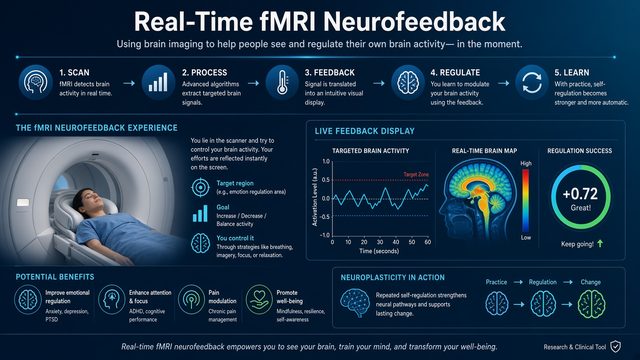
- Brain imaging: small studies suggest that long-term yoga practitioners have greater gray matter volume in regions such as the hippocampus and insula, and altered connectivity, and an eight-week study found changes in activity in regions related to attention and emotion. Findings need replication, and self-selection effects are possible.
- Breathing practices: slow pranayama increases vagal tone and heart rate variability, and may reduce amygdala reactivity.
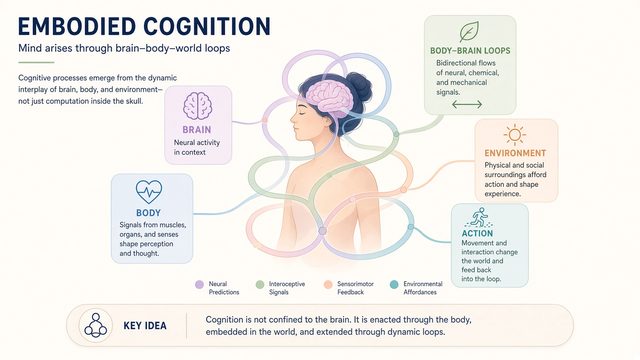
- Pain and body awareness: yoga improves chronic low back pain and interoceptive awareness.
What to keep in mind
- Study quality varies, and effect sizes are modest.
- It is difficult to blind participants, and expectations influence outcomes.
- Yoga's benefits may partly overlap with those of exercise, relaxation and social support.
- Injuries can occur, particularly in vigorous styles or with poor alignment.
Getting started safely
- Choose a style that fits your fitness, such as hatha, restorative or yin for beginners.
- Find a qualified instructor, especially if you have injuries, pregnancy or medical conditions.
- Listen to your body: avoid pain, and use props.
- Start with two to three sessions a week of 30 to 60 minutes.
- Include breathing and relaxation, not just poses.
- Practice consistently: benefits build over weeks.
- Check with your doctor if you have glaucoma, high blood pressure, osteoporosis, or are pregnant, since some poses need modification.
- Use yoga as a complement, not a replacement, for medical or psychological treatment.
Takeaway
Yoga offers a gentle, accessible way to train both body and mind. The best practice is one you enjoy enough to repeat.
Further reading from authoritative sources
This article is educational and does not replace advice from a licensed clinician. See the medical disclaimer. Looking for specialist care? Browse the neurology clinic directory.