Relaxation Training for Better Sleep Hygiene
Sleep hygiene means habits and environment that support sleep. But even perfect hygiene may not help if the body and mind stay revved up. Relaxation training adds the missing skill: learning to deliberately lower arousal.
What sleep hygiene covers
- Regular schedule: consistent bed and wake times
- Light: bright daylight, dim evenings
- Environment: cool, dark, quiet, comfortable bedroom
- Substances: limiting caffeine, alcohol and nicotine
- Food and exercise: avoiding heavy late meals, and exercising regularly but not right before bed
- Naps: limited in length and early
- Bed use: reserved for sleep and intimacy
Research shows that sleep hygiene alone has limited effect on chronic insomnia, but it is a useful foundation and part of CBT-I.
Why relaxation training helps
Insomnia is associated with hyperarousal: elevated heart rate, muscle tension, cortisol, high-frequency EEG and racing thoughts. Relaxation techniques shift the autonomic balance toward the parasympathetic system, lower muscle tension and quiet cognitive activity. Meta-analyses find that relaxation therapies improve sleep onset and sleep quality, with moderate effects, and are recommended by sleep medicine guidelines as part of treatment.

Techniques
Progressive muscle relaxation (PMR)
Developed by Edmund Jacobson in the 1920s. Tense each muscle group for five seconds, then release for 20 to 30 seconds, moving from feet to face. Notice the contrast between tension and relaxation. Practice daily for 10 to 20 minutes.
Diaphragmatic and slow breathing
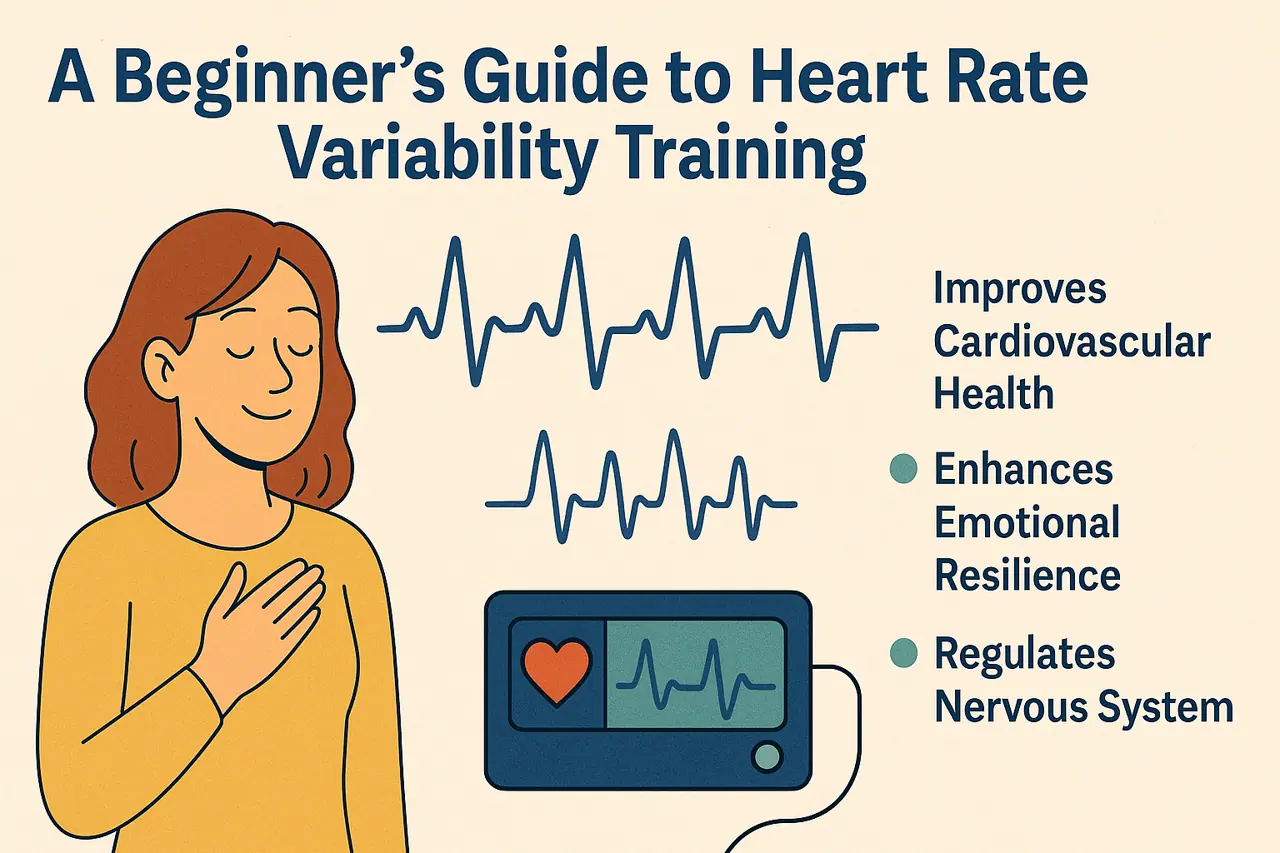
Place a hand on your belly and breathe slowly, with a longer exhale, about six breaths per minute, for five to ten minutes. Avoid forcing deep breaths that cause lightheadedness.
Body scan
Move attention slowly through the body, noticing sensations without trying to change them, a core practice in mindfulness-based programs, which improve sleep quality in trials.
Guided imagery
Imagine a peaceful, detailed scene using all senses, such as a quiet beach or forest.
Autogenic training
Repeat phrases such as "my arms are heavy and warm," to induce relaxation.
Meditation and yoga nidra
Mindfulness meditation and yoga nidra reduce arousal and improve sleep in some studies.
Biofeedback
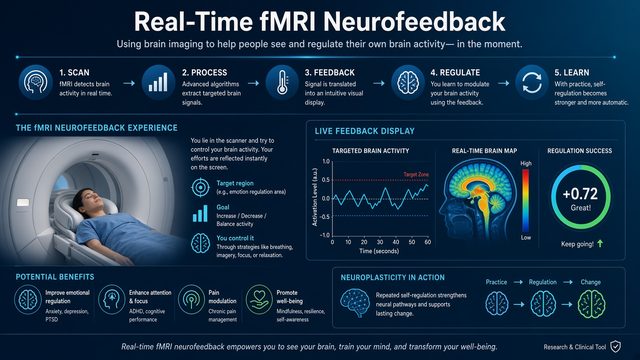
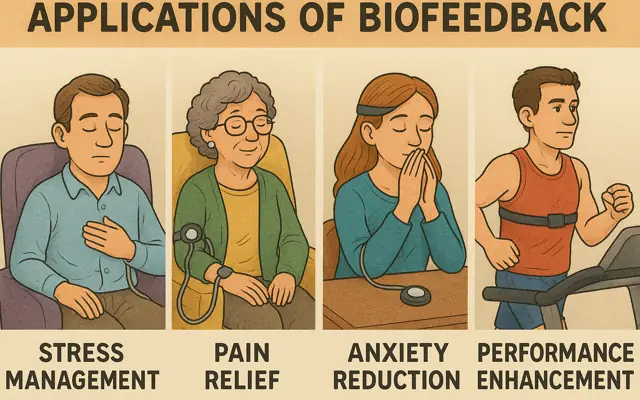
Provides real-time feedback on heart rate, breathing or muscle tension to teach relaxation, as discussed in other articles.
Putting it together
- Practice during the day first, so the skill is established before using it in bed.
- Do your chosen technique in the evening, after a wind-down routine, then in bed.
- Do not try too hard, since effort backfires. Approach with curiosity.
- Be consistent: benefits build over weeks.
- Pair with stimulus control: if you remain awake for a long time, get up, relax elsewhere and return when sleepy.
- Reduce worry: note concerns earlier in the evening.
- Adapt to your needs: people with trauma histories may find some body-focused practices uncomfortable, and should choose gentler, eyes-open options.
- Seek help: if insomnia persists beyond a few weeks, consider CBT-I with a clinician.
When relaxation feels difficult
Some people find that relaxation exercises make them more aware of tension or worry at first. This is common and usually eases with practice. Start with short sessions, keep your eyes open if closing them is uncomfortable, and choose the technique that feels most natural, whether breathing, imagery or muscle release. If anxiety, trauma memories or persistent insomnia interfere, a therapist can tailor the approach, and CBT-I combines relaxation with other proven strategies.
Takeaway
Sleep hygiene sets the stage, and relaxation training teaches the body to step onto it. Together, they make sleep more reliable.
Further reading from authoritative sources
- National Institute of Neurological Disorders and Stroke (NINDS)
- National Center for Complementary and Integrative Health (NCCIH)
This article is educational and does not replace advice from a licensed clinician. See the medical disclaimer. Looking for specialist care? Browse the neurology clinic directory.