Evening Screens and Sleep: Separating Fact from Fiction
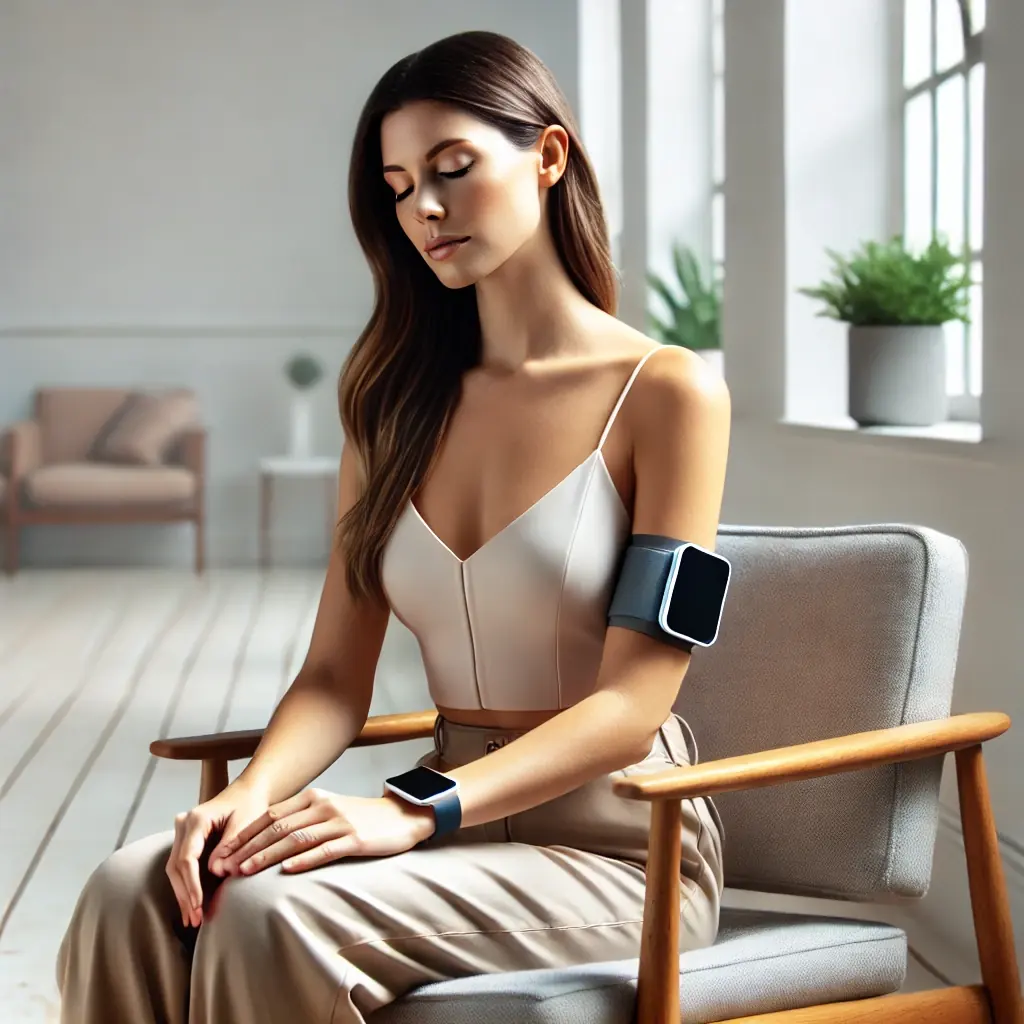
Almost everyone has heard that screens ruin sleep. The truth is more nuanced. Light from screens plays a role, but content, stimulation and the time they take from sleep may matter even more.
What is true
- Light suppresses melatonin: short-wavelength (blue-enriched) light is especially effective at suppressing melatonin, and evening light shifts the circadian clock later. In a study by Anne-Marie Chang and Charles Czeisler, people reading on a light-emitting e-reader for four hours before bed took longer to fall asleep, had reduced melatonin, less REM sleep and felt sleepier the next morning than when reading a printed book.
- Brightness and proximity matter: a phone held close at full brightness delivers more light to the eyes than a television across the room.
- Teens are sensitive: adolescent circadian clocks run later, and they may be more sensitive to light at night, and heavy screen time is associated with shorter sleep.
- Time displacement: screen use can push bedtime later, and "just one more episode" delays sleep.
- Stimulation and arousal: emotionally engaging content, social media, work emails, news and games can raise arousal and delay sleep onset.
- Notifications can wake people during the night.
What is exaggerated
- Blue light is the only culprit: other wavelengths and the overall brightness also matter. Light intensity and duration are often more important than color.
- Night mode fixes everything: studies find that filters and warm color settings have small or inconsistent effects on sleep. A randomized trial from Brigham Young University found that using a phone with night shift mode did not improve sleep compared with using it without it, though the research was small. Reducing brightness and time is more effective.
- Blue-blocking glasses are a cure: some studies find modest benefits, especially for people with insomnia or mania, but evidence is mixed and effects are small.
- Screens inevitably harm every person: large studies, including analyses by Amy Orben and Andrew Przybylski, find that technology use is associated with only small differences in sleep and well-being on average, and individual responses vary. Effects on children appear larger when screens are in the bedroom.
What to do
- Set a screen curfew of 30 to 60 minutes before bed, and use the time for reading a paper book, stretching, conversation or music.
- Lower brightness and use night mode if you must use devices, and hold them farther away.
- Choose calm content: avoid exciting games, work and stressful news at night.
- Keep devices out of the bedroom, or charge them across the room, and use an old-fashioned alarm clock.
- Silence notifications, with do-not-disturb mode.
- Use bright light during the day, since a strong daytime light signal makes the clock less sensitive to evening light.
- Keep a consistent bedtime.
- For children and teens, set family rules for devices and avoid screens in bedrooms.
- If you use a screen to relax, choose low-stimulation content, and stop when you feel sleepy.
- Seek help if insomnia persists.
Takeaway
Screens affect sleep, but not simply through blue light. Limiting time, brightness and stimulation in the last hour before bed is the practical solution.
Further reading from authoritative sources
- National Institute of Neurological Disorders and Stroke (NINDS)
- National Center for Complementary and Integrative Health (NCCIH)
This article is educational and does not replace advice from a licensed clinician. See the medical disclaimer. Looking for specialist care? Browse the neurology clinic directory.