Insomnia and the Brain: Breaking the Cycle
Almost everyone has an occasional bad night, but for about one in ten adults, trouble sleeping becomes a chronic condition. Insomnia disorder means difficulty falling asleep, staying asleep or waking too early, at least three nights a week for three months or more, together with daytime problems such as fatigue, low mood or poor concentration.
What is going on in the brain
Hyperarousal
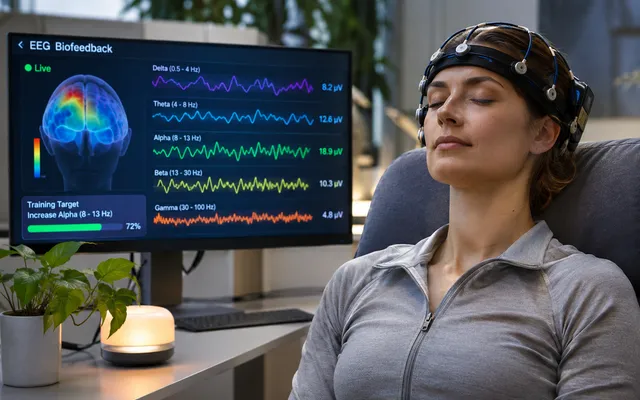
Research suggests that many people with insomnia are physiologically "wired." Studies find higher heart rate, higher body temperature, more stress hormone activity and more fast brain activity during sleep and at rest. Their brains may remain partly in an alert state when they should be shifting into sleep. Imaging studies suggest altered activity in networks that govern arousal, emotion and attention.
Sleep state misperception
People with insomnia often sleep more than they think, but the lighter, more fragmented sleep they experience can feel like wakefulness. This is real suffering, not imagination, but it explains why people may feel exhausted despite measurable sleep.
How insomnia becomes chronic
The widely used three-P model divides contributors into three categories:
1. Predisposing factors, such as a tendency toward anxiety or light sleep. 2. Precipitating factors, such as stress, illness or a life change, which trigger the first bad nights. 3. Perpetuating factors, such as spending long hours in bed, napping, irregular schedules, and worrying about sleep, which keep the problem going after the trigger has gone.
Over time, the bed itself can become a cue for alertness and frustration, a process called conditioned arousal.

Medical and mental health links
Insomnia often occurs alongside depression, anxiety, chronic pain, sleep apnea, restless legs syndrome, menopause symptoms and medication effects. Treating those conditions matters, and treating insomnia also tends to improve mood and pain outcomes.
Treatment: CBT for insomnia
Major medical guidelines recommend cognitive behavioral therapy for insomnia (CBT-I) as the first-line treatment. It typically involves four to eight sessions and includes:
- Sleep restriction, which temporarily limits time in bed to match actual sleep, then gradually expands it as sleep becomes more efficient
- Stimulus control, which strengthens the link between bed and sleep. You go to bed only when sleepy, leave the bed if you cannot sleep, and keep a regular wake time
- Cognitive strategies, which challenge unhelpful beliefs such as "I must get eight hours or I'll fall apart"
- Relaxation training, including breathing and muscle relaxation
- Sleep education about healthy habits
Trials show that CBT-I produces durable improvements and works for most people who complete it. It can be delivered in person, by telehealth or through validated digital programs.
Medications
Sleep medicines, including prescription drugs and over-the-counter sedating antihistamines, can offer short-term relief but have side effects, may lose effectiveness and are not intended as the only long-term strategy. Older adults are at particular risk of falls and confusion. Any medication decisions should be made with a clinician.
Things that make it worse
- Watching the clock
- Trying harder to force sleep
- Using alcohol as a sleep aid
- Long daytime naps
- Late-night caffeine
- Bright light and stimulating activities before bed
When to see a doctor
Talk to a healthcare professional if sleeplessness lasts more than a few weeks, affects your daytime function, or comes with loud snoring, breathing pauses, leg discomfort or strong low mood. A thorough assessment can identify other conditions and lead to the right treatment.
Further reading from authoritative sources
- National Institute of Neurological Disorders and Stroke (NINDS)
- National Center for Complementary and Integrative Health (NCCIH)
This article is educational and does not replace advice from a licensed clinician. See the medical disclaimer. Looking for specialist care? Browse the neurology clinic directory.