Sleep and ADHD: Understanding the Connection
Attention-deficit/hyperactivity disorder and sleep problems are tightly intertwined. Most people with ADHD report some sleep difficulty, and insufficient sleep can look a great deal like ADHD, so untangling the two matters for diagnosis and treatment.
How common and what kind
Studies suggest that 50 to 70 percent of children and adults with ADHD have a sleep problem, including:
- Delayed sleep phase: a late circadian clock, with trouble falling asleep and difficulty waking. Research by Denise Bijlenga, Sandra Kooij and colleagues found delayed melatonin onset, about 1.5 hours later on average, in many adults with ADHD.
- Insomnia: difficulty falling or staying asleep, partly related to hyperarousal, restlessness and racing thoughts.
- Restless legs syndrome and periodic limb movements: more common in ADHD, and linked to low iron and dopamine dysfunction.
- Sleep-disordered breathing: snoring and sleep apnea in children, where enlarged tonsils and adenoids cause hyperactivity and inattention, which can improve after adenotonsillectomy.
- Daytime sleepiness: which can appear as hyperactivity in children.
Why they are linked
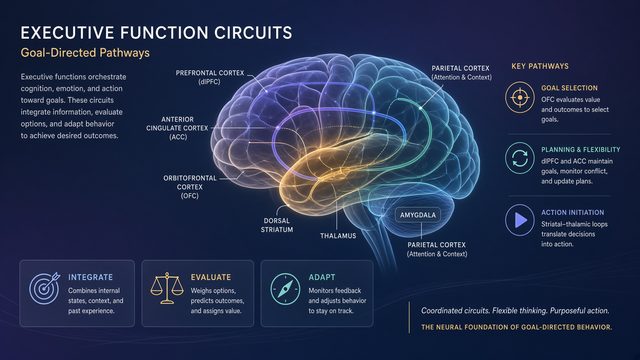
Shared neurobiology may be involved. Dopamine and noradrenaline systems regulate attention and arousal, and also sleep and circadian rhythms. Executive function difficulties make it harder to maintain routines. Stimulant medications can delay sleep onset or reduce appetite if taken late. Anxiety, depression, autism spectrum conditions and screen use also contribute.

The overlap with sleep deprivation
Children who are chronically underslept often show inattention, hyperactivity, irritability and poor impulse control, and may be misdiagnosed. Careful clinicians screen sleep before or during ADHD evaluation, especially if snoring or sleep problems are present.
Effects of ADHD medication
Stimulants can delay sleep onset and shorten sleep when dosed late, but in some people, they improve sleep by reducing evening hyperactivity, or when the rebound effect is managed. Non-stimulants such as atomoxetine and guanfacine can have varied effects, with guanfacine often causing drowsiness. Talk to your prescriber about timing, dose and alternatives. Do not change medication on your own.
Treatments that help
- Sleep hygiene and routines: consistent bedtime and wake time, a calming wind-down, and limited screens and stimulation in the hour before bed.
- Morning light and evening dimming: to shift a delayed clock.
- Melatonin: low doses (0.5 to 3 mg) taken one to three hours before bedtime are used for sleep onset insomnia in children with ADHD, with evidence from randomized trials, including studies by Annemieke van der Heijden. It should be used under medical guidance.
- Behavioral approaches: parent training for children, and CBT for insomnia adapted for ADHD, which show improvement in sleep and daytime symptoms.
- Treat other conditions: screen for and treat sleep apnea, restless legs (check iron levels, ferritin in particular) and anxiety.
- Exercise: regular daytime activity, not too close to bedtime.
- Limit caffeine, particularly in the afternoon.
- Use external structure: visual schedules, alarms and reminders, since planning a bedtime routine can be hard.
- Adjust stimulant timing in consultation with a clinician.
For adults with ADHD
Late-night "revenge bedtime procrastination," hyperfocus on activities and time blindness can push bedtimes later. Setting alarms for winding down, creating a pre-sleep routine and being consistent can help.
When to seek help
If sleep problems persist, or if snoring, gasping or severe daytime sleepiness occur, talk to your doctor. Improving sleep can improve attention, mood and behavior.
Takeaway
ADHD and sleep problems amplify each other. Addressing sleep is an essential part of managing attention difficulties.
Further reading from authoritative sources
- National Institute of Neurological Disorders and Stroke (NINDS)
- National Center for Complementary and Integrative Health (NCCIH)
This article is educational and does not replace advice from a licensed clinician. See the medical disclaimer. Looking for specialist care? Browse the neurology clinic directory.