Sleep and Athletic Performance
Elite athletes train, eat and recover with precision, yet sleep is often the most overlooked performance tool. Research shows that sleep affects nearly every aspect of athletic performance, from reaction time to injury risk.
What the research shows
- Sleep extension: in a well-known Stanford study by Cheri Mah and colleagues, basketball players who extended sleep to about 10 hours a night for five to seven weeks improved sprint times, free throw and three-point shooting accuracy (by about 9 percent), and reported better mood and less fatigue. Similar benefits have been reported in swimmers, tennis players and football players.
- Sleep loss: impairs reaction time, accuracy, decision-making, endurance and motivation, and increases perceived exertion. Studies find that restricting sleep reduces time to exhaustion and sprint performance, and that sleep loss slows glycogen resynthesis and muscle recovery.
- Injury risk: a study of adolescent athletes by Matthew Milewski found that those sleeping fewer than eight hours were about 1.7 times more likely to be injured than those sleeping more, and research on elite athletes links poor sleep to illness and injury.
- Hormones and recovery: deep sleep promotes growth hormone release and tissue repair, and sleep loss raises cortisol and inflammation, and lowers testosterone and glucose regulation.
- Immune function: sleep-deprived athletes are more likely to get sick.
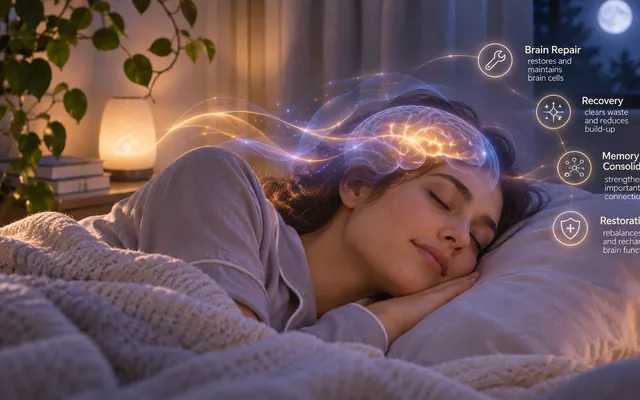
- Concussion recovery: sleep supports brain healing, and sleep disturbance is common after concussion.
- Cognitive function: decision-making, anticipation and learning of tactics and skills rely on sleep for consolidation.
Why athletes sleep poorly
Evening training and competition, travel and time zone changes, early training sessions, caffeine and stimulants, pre-competition anxiety, injury pain, noise in team accommodation, and late-night screens or social obligations interfere. Studies show that athletes often sleep less than recommended and have poorer sleep efficiency than non-athletes.

Strategies
- Prioritize sleep: aim for seven to nine hours, and consider more during heavy training. Teen athletes need eight to ten.
- Keep regular schedules, particularly bedtime and wake time, as much as possible.
- Extend sleep in the days before competition ("banking sleep"), which may help buffer a poor night.
- Napping: a 20 to 30 minute nap in the early afternoon helps recovery and performance, as discussed in other articles.
- Optimize the sleep environment: dark, cool and quiet, including when traveling, with eye masks and earplugs.
- Control caffeine and alcohol, avoiding them close to bedtime.
- Wind-down routines: relaxation, breathing, light stretching, and reduced screens.
- Manage pre-competition nerves: breathing, imagery and routines. Do not worry about one poor night, since performance often holds up, and anxiety about sleep makes things worse.
- Plan travel, with light exposure and time zone management.
- Schedule training to avoid very late intense sessions where possible.
- Screen for sleep disorders, such as sleep apnea, and consult sports medicine or sleep specialists.
- Use wearable data carefully, as discussed in other articles.
Special situations
Young athletes face early school start times alongside training, and many accumulate sleep debt that shows up as injuries and mood problems, so coaches and parents can help by scheduling realistic rest. Athletes in sports with early morning competitions may gradually shift their schedules earlier in the days beforehand. After a poor night before competition, light exposure, a brief nap if possible, and a familiar pre-event routine can partly offset sleepiness, and caffeine at the right time may help alertness, within the rules of the sport.
Takeaway
Sleep is a legal performance enhancer. Athletes who treat it as part of training gain speed, accuracy and resilience.
Further reading from authoritative sources
- National Institute of Neurological Disorders and Stroke (NINDS)
- National Center for Complementary and Integrative Health (NCCIH)
This article is educational and does not replace advice from a licensed clinician. See the medical disclaimer. Looking for specialist care? Browse the neurology clinic directory.