Sleep and Chronic Pain: A Bidirectional Relationship
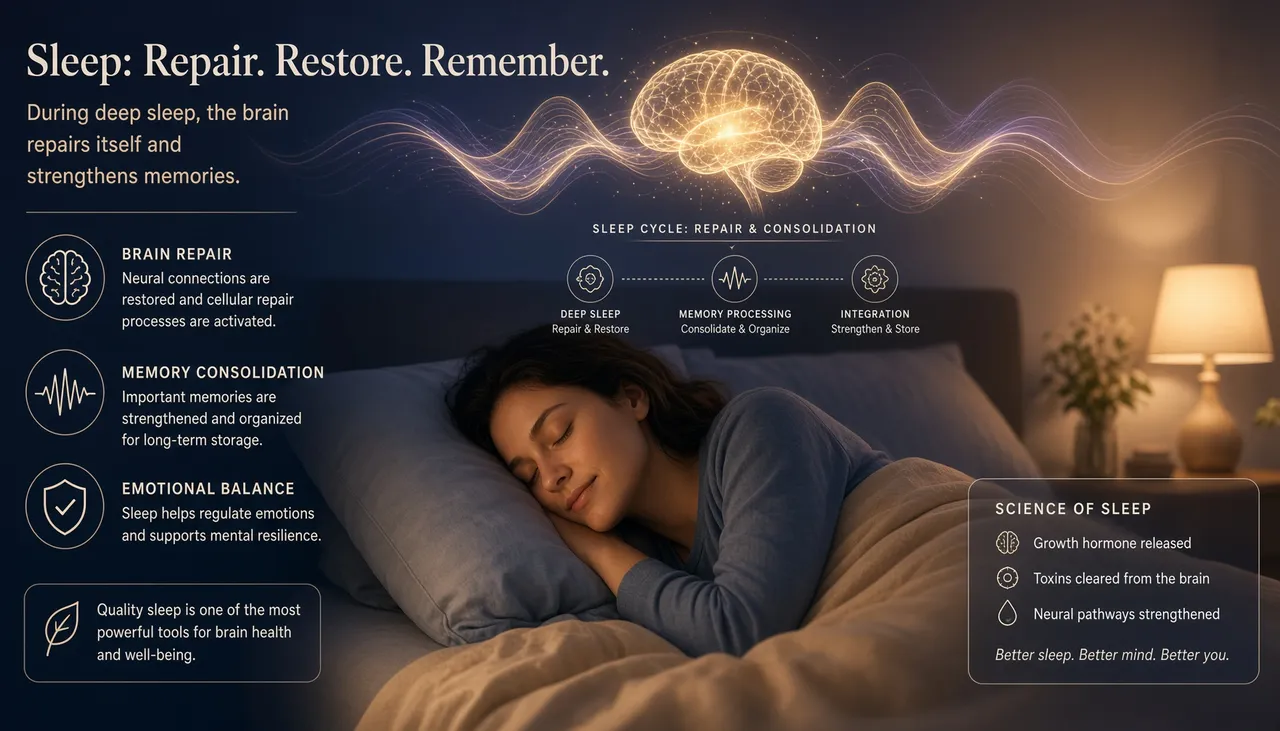
If you live with chronic pain, you probably know that a bad night makes pain feel worse, and that pain makes it hard to sleep. Research confirms that the two conditions feed each other in a cycle that can be interrupted.
How common is it
Between 50 and 80 percent of people with chronic pain report significant sleep problems. Conditions such as fibromyalgia, arthritis, back pain, headache and neuropathy are strongly associated with insomnia and fragmented sleep.
How pain disrupts sleep
Pain causes arousals and difficulty finding comfortable positions, activates stress systems and hyperarousal, and can disrupt slow wave sleep. Worry about pain and sleep can add to nighttime wakefulness. Medications, such as opioids, can suppress slow wave and REM sleep and worsen sleep apnea.

How poor sleep worsens pain
- Experiments: studies by Matthew Walker's lab found that one night of sleep deprivation reduced pain thresholds, and imaging showed that the brain's somatosensory regions were more reactive to pain while reward and descending pain-control regions, such as the nucleus accumbens and the insula, were less responsive. Research by Monika Haack and Janet Mullington found that sleep restriction over several nights increased pain sensitivity and spontaneous pain.
- Mechanisms: sleep loss increases inflammation, impairs the brain's endogenous pain inhibition, and alters dopamine and opioid signaling. It also lowers mood and coping, increasing pain catastrophizing.
- Prospective studies: sleep problems predict the onset of chronic pain, and improvement in sleep predicts pain relief, in some research, suggesting that sleep disturbance is more than a symptom. In fibromyalgia, restoring deep sleep is associated with reduced pain.
Treatments that help both
- CBT for insomnia (CBT-I): in trials among people with chronic pain, CBT-I improves sleep and often lowers pain severity and interference. It can be combined with cognitive behavioral therapy for pain.
- Cognitive behavioral therapy for pain and acceptance and commitment therapy: reduce catastrophizing and improve coping.
- Exercise: regular, graded physical activity improves sleep and decreases pain over time.
- Mind-body practices: mindfulness, yoga, tai chi and relaxation reduce pain and improve sleep.
- Treat underlying pain conditions with appropriate care, including physical therapy and medications as directed by a clinician.
- Medication review: discuss with a doctor, as some pain drugs help sleep (such as low-dose amitriptyline or gabapentinoids), while others, such as opioids, can harm sleep. Avoid combining opioids with alcohol and sedatives.
- Evaluate sleep apnea and restless legs syndrome, which are common in people with chronic pain.
Practical sleep tips
- Keep a regular schedule and get morning light.
- Use supportive pillows and positioning, and a comfortable mattress.
- Use heat before bed if it helps, such as a warm bath.
- Practice relaxation or body scan meditation to ease tension.
- Limit caffeine and alcohol, which worsens sleep.
- Avoid watching the clock, and get up and do something calming if you cannot sleep.
- Pace activities during the day to avoid flares.
- Seek help from a pain specialist or sleep specialist if sleep problems persist.
Takeaway
Pain and sleep are locked in a two-way relationship. Treating sleep deliberately gives the brain a better chance to dial pain down.
Further reading from authoritative sources
- National Institute of Neurological Disorders and Stroke (NINDS)
- National Center for Complementary and Integrative Health (NCCIH)
This article is educational and does not replace advice from a licensed clinician. See the medical disclaimer. Looking for specialist care? Browse the neurology clinic directory.