Sleep and Learning in Children
Children's brains are growing rapidly, and sleep is when much of the work happens. Research consistently shows that children who sleep enough learn better, behave better and feel better.
How much sleep children need
The American Academy of Sleep Medicine recommends about:
- Infants (4 to 12 months): 12 to 16 hours including naps
- Toddlers (1 to 2 years): 11 to 14 hours
- Preschoolers (3 to 5 years): 10 to 13 hours
- School-age children (6 to 12 years): 9 to 12 hours
- Teens (13 to 18 years): 8 to 10 hours
Many children and teens fall short, particularly during adolescence, when biological rhythms shift later and school starts early.
How sleep supports learning
- Memory consolidation: children show particularly strong sleep-dependent memory gains. Studies by Ines Wilhelm, Jan Born and colleagues found that children consolidated explicit memories and extracted hidden rules during sleep more effectively than adults. Their deep sleep contains very strong slow waves.
- Language learning: naps and nighttime sleep help toddlers generalize new word meanings and grammar. Rebecca Gómez and colleagues found that napping preschoolers abstracted patterns in artificial language better than those who stayed awake.
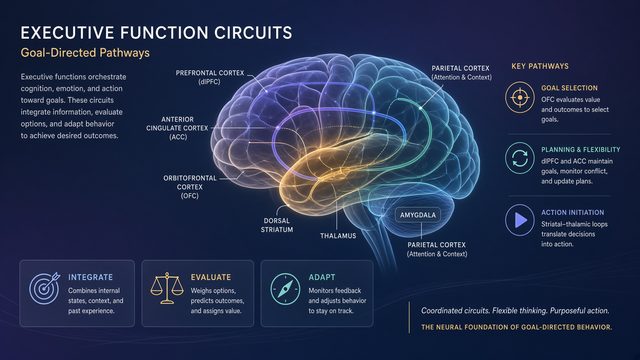
- Attention and executive function: sleep loss reduces working memory, flexible thinking and self-control.
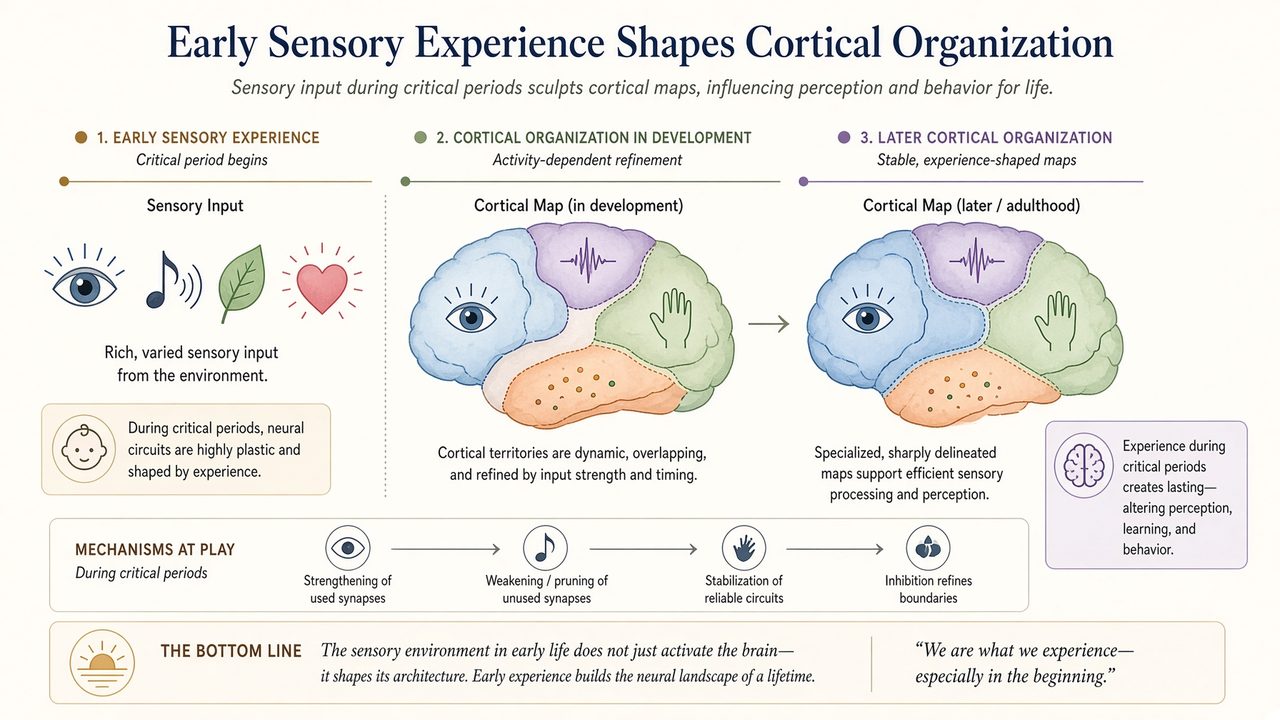
- Brain development: sleep supports synaptic pruning and maturation of cortical networks.
- Emotional regulation and behavior: short sleep is linked to irritability, tantrums, hyperactivity and conduct problems. Chronic insufficient sleep is a risk factor for anxiety and depression.
- Academic performance: studies find associations between longer, regular sleep and better grades and test scores. Delaying school start times for adolescents has been shown to increase sleep, reduce tardiness and car crashes, and improve mood, and sometimes grades.

Common problems
Insomnia and bedtime resistance, snoring and sleep apnea, restless legs syndrome, nightmares and night terrors, delayed sleep phase in teens and irregular schedules are common. Sleep problems in ADHD, autism and other developmental conditions are frequent.
Tips for parents and caregivers
- Set consistent bedtimes and wake times, including on weekends, within an hour.
- Build a predictable routine: bath, books, quiet talk, lights out.
- Make the bedroom cool, dark and quiet, and use a night light if needed.
- Limit screens before bed and keep devices out of the bedroom.
- Encourage daytime activity and outdoor light.
- Watch caffeine, including soda and energy drinks, for older children and teens.
- Offer age-appropriate naps for young children, and avoid late naps.
- Help children fall asleep independently, rather than relying on parental presence at every awakening.
- Address fears and worries during the day, and use calming strategies.
- Model good sleep habits.
- Talk to a pediatrician if your child snores loudly, has pauses in breathing, is very sleepy by day, or has persistent sleep difficulty.
For teens and schools
Support later school start times where possible, avoid heavy homework loads that cut into sleep, and educate teens about sleep. Teens can limit weekend sleep-ins to about two hours, get morning light, and avoid late-night screens.
Takeaway
Sleep is a basic ingredient of learning. Prioritizing it helps children grow, think and feel their best.
Further reading from authoritative sources
- National Institute of Neurological Disorders and Stroke (NINDS)
- National Center for Complementary and Integrative Health (NCCIH)
This article is educational and does not replace advice from a licensed clinician. See the medical disclaimer. Looking for specialist care? Browse the neurology clinic directory.