Sleep and Mood Disorders: The Chicken-and-Egg Problem
Does bad sleep cause mood problems, or do mood problems cause bad sleep? For depression, bipolar disorder and anxiety, the answer is both. Understanding the two-way relationship has changed how clinicians treat mental health conditions.
Depression
Insomnia and hypersomnia are among the most common symptoms. Insomnia often precedes first episodes and relapses, and is a strong predictor of depression. Trials show that treating insomnia with CBT-I alongside depression treatment improves remission, as described in the earlier article on sleep and depression. REM sleep changes, such as early REM and increased REM density, and reduced slow wave sleep, are typical. Persistent insomnia while depression improves increases relapse risk.
Bipolar disorder
Sleep disruption is central. Reduced need for sleep is a hallmark of mania, and sleep loss can trigger manic episodes, as observed with travel across time zones or all-night work. Irregular sleep and circadian instability are present even between episodes. Treatment approaches such as interpersonal and social rhythm therapy, developed by Ellen Frank, stabilize daily routines and sleep schedules, and reduce relapse. Maintaining regular sleep is a mainstay of relapse prevention. Light therapy needs caution because it can induce mania, and should be supervised. Sleep deprivation therapy is not appropriate without medical supervision in bipolar disorder.
Anxiety disorders
Insomnia and anxiety strongly interact. Hyperarousal and worry delay sleep, and sleep loss amplifies amygdala reactivity and anxiety the next day. Panic attacks can occur at night, and PTSD involves nightmares and fragmented sleep. Treating sleep with CBT-I reduces anxiety symptoms.
Other conditions
Seasonal affective disorder involves circadian misalignment. Postpartum depression is related to sleep disruption. In ADHD, schizophrenia and autism, sleep problems are common and aggravate symptoms.
Why the relationship is two-way
- Shared neurobiology: sleep and mood are regulated by overlapping serotonin, noradrenaline, dopamine and orexin systems, and prefrontal-limbic circuits.
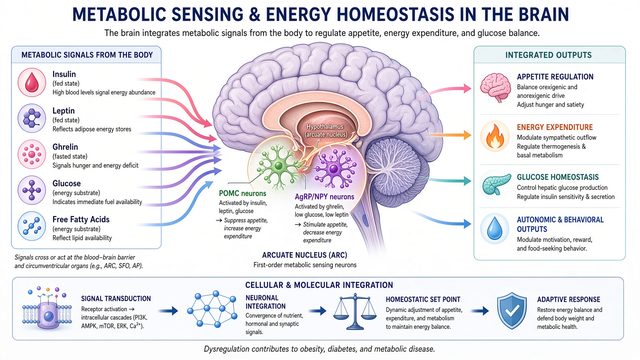
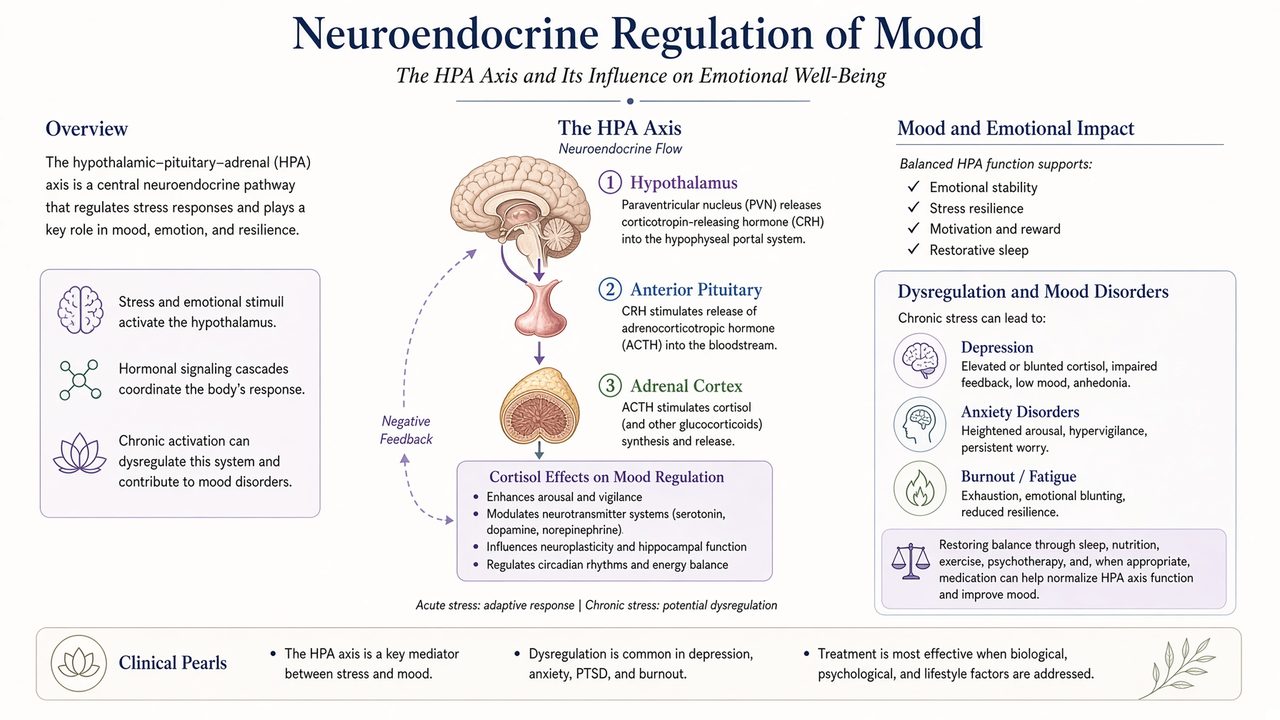
- Stress system overactivity: HPA axis and sympathetic arousal disturb sleep and mood.
- Inflammation: sleep loss and depression both elevate inflammatory markers.
- Circadian disruption: misalignment worsens both.
- Behavioral loops: low mood leads to inactivity, napping, rumination and irregular schedules, which impair sleep, and poor sleep worsens mood and motivation.
Treatment implications
- Assess sleep in every mood or anxiety evaluation.
- Treat both simultaneously: CBT-I, behavioral activation and medication when appropriate. Be aware that some medications affect sleep, with some antidepressants causing insomnia or sedation.
- Stabilize routines: regular sleep, wake and meal times and daily activity.
- Use light and exercise.
- Avoid alcohol and sedative misuse.
- Screen for sleep apnea and other conditions.
- Monitor sleep changes as early warning signs of relapse.
Seeking help
Persistent sleep problems and mood changes lasting more than two weeks merit professional evaluation. If you have thoughts of self-harm, call or text 988 in the United States, or contact local emergency services.
A note on medications and monitoring
Many psychiatric medications influence sleep, and sleep changes can signal that a medication needs adjustment or that an episode is beginning. Keeping a simple sleep diary, noting bedtime, wake time and mood, gives clinicians useful information. People should never stop or change a prescribed medication abruptly because of sleep problems, and should call their prescriber if sleep suddenly becomes much shorter or much longer than usual, particularly with bipolar disorder.
Takeaway
Sleep and mood are partners in health and illness. Caring for one improves the other.
Further reading from authoritative sources
- National Institute of Neurological Disorders and Stroke (NINDS)
- National Center for Complementary and Integrative Health (NCCIH)
This article is educational and does not replace advice from a licensed clinician. See the medical disclaimer. Looking for specialist care? Browse the neurology clinic directory.