The Neurobiology of Nightmares
A nightmare is a vivid, disturbing dream that wakes you with fear or distress and leaves you able to recall it. Occasional nightmares are normal, but frequent ones can erode sleep and mood. Neuroscience offers a picture of how the sleeping brain generates them.
What happens in the brain
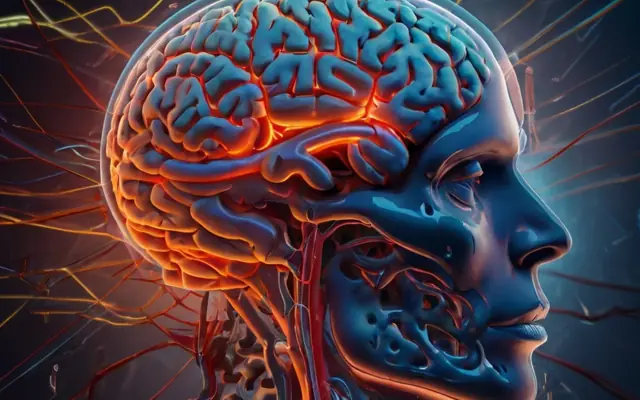
REM sleep, the stage most associated with dreaming, features high activity in the amygdala, anterior cingulate, hippocampus and visual association cortex, and reduced activity in the dorsolateral prefrontal cortex, which supports logic and self-monitoring. Noradrenaline is suppressed. Pierre Maquet and others have shown, using PET imaging, that limbic structures are especially active in REM. Mark Blagrove and colleagues found that nightmare frequency is associated with stronger emotional reactivity. Tore Nielsen and Ross Levin proposed an affective network dysfunction model, in which nightmares occur when the dream-based process of extinguishing fear memories fails, and fear is not reduced but overwhelms the sleeper, causing awakening.
Nightmares versus night terrors
- Nightmares: occur in REM sleep, usually in the second half of the night, the dreamer wakes and recalls detailed content, and is alert.
- Night terrors (sleep terrors): arise from deep non-REM sleep in the first part of the night, mostly in children, with screaming, panic and difficulty waking, and little or no recall. They are disorders of arousal related to sleepwalking.

Who gets nightmares
Nightmares are common in children, peaking between ages 6 and 10, and about 2 to 6 percent of adults have them weekly. They are more common in people with anxiety, depression, PTSD, and some personality traits such as high sensitivity or "thin boundaries." They also occur with certain medications, including some antidepressants, beta-blockers, dopamine agonists, and with withdrawal from alcohol or REM-suppressing drugs. Sleep deprivation, irregular sleep schedules, stress, trauma and sleep disorders, including sleep apnea, can trigger them. Genetic factors contribute.
Why nightmares matter
Frequent nightmares cause insomnia, fear of going to sleep, daytime fatigue and distress, and are associated with higher risk of suicidal thoughts and mental health conditions. Distress from nightmares is a predictor of poor outcomes, and treating them improves broader wellbeing.
Treatments
- Imagery rehearsal therapy (IRT): the best-supported approach. Patients write down a nightmare, rewrite it with a new ending, and mentally rehearse the new version. Trials show reductions in nightmare frequency and distress.
- Cognitive behavioral therapy for insomnia (CBT-I): treating sleep problems reduces nightmares.
- Exposure and relaxation: gradually facing nightmare content in waking life, combined with relaxation training.
- Trauma-focused therapy for PTSD-related nightmares.
- Medications: prazosin has been used, though the evidence is mixed, as discussed elsewhere, and a doctor should decide. If a medication seems to cause nightmares, discuss changing it with the prescriber, and never stop it abruptly.
- Lucid dreaming training shows promise for some people.
- Treat sleep apnea and other disorders.
Self-help
- Keep regular sleep hours and enough sleep.
- Avoid alcohol and heavy late meals, and limit horror content before bed.
- Wind down with relaxation and calming routines.
- After a nightmare, orient yourself, slow your breathing, and use grounding techniques. Try to think of a pleasant ending or get up and do something calm.
- Support children: reassure, keep a comforting routine, use night lights if helpful, and let them draw or talk about the dream in daylight.
- Seek help if nightmares occur weekly, disturb sleep, or are linked to trauma or thoughts of self-harm. In the United States, call or text 988.
Takeaway
Nightmares are the sleeping brain's emotional alarms going off. With the right techniques, they can usually be calmed.
Further reading from authoritative sources
- National Institute of Neurological Disorders and Stroke (NINDS)
- National Center for Complementary and Integrative Health (NCCIH)
This article is educational and does not replace advice from a licensed clinician. See the medical disclaimer. Looking for specialist care? Browse the neurology clinic directory.