Art Therapy and the Brain
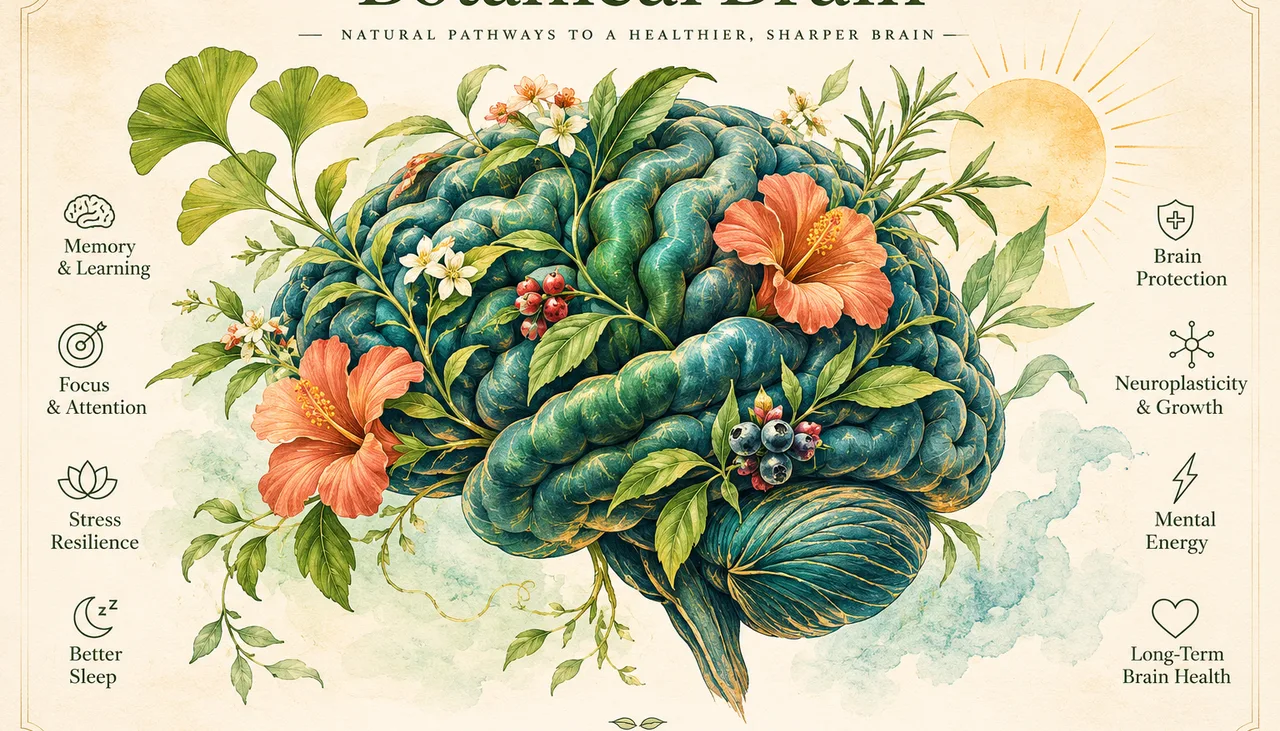
Creating art engages vision, movement, memory, emotion and imagination. Art therapy is a profession in which trained therapists use art-making within a therapeutic relationship to improve mental, emotional and physical wellbeing.
What happens in the brain
Studies of drawing and art-making show activity in visual, motor, parietal and prefrontal regions, and in the reward system. In a study by Girija Kaimal and colleagues, 45 minutes of art-making lowered cortisol in most participants, regardless of artistic experience. Research by Rebecca Bolwerk and colleagues found that creating art involved stronger functional connectivity of the default mode and frontoparietal networks than passively viewing art, supporting the idea that making art engages self-reflection and control. Viewing art activates reward regions, which may account for pleasure.
Benefits and evidence
- Emotional wellbeing: reviews suggest reductions in anxiety and depression, and improvements in coping in people with cancer, chronic illness and mental health conditions.
- Trauma and post-traumatic stress disorder: art therapy provides a nonverbal way to express experiences. Studies, such as those of military service members, found reduced symptoms, though the evidence base is still developing.
- Stroke and brain injury: art activities train motor skills, attention, planning and visuospatial abilities, and offer meaning and identity. Some programs report improved mood and engagement.
- Dementia: art engagement in museums or care settings promotes social connection, mood and communication, with some studies showing improved wellbeing and behavior.
- Children and adolescents: art therapy supports emotional expression, and has been used in schools and hospitals.
- Autism and developmental conditions: may support communication and sensory regulation.
- Pain and stress: art distraction can reduce perceived pain.

Limitations
Many studies are small, and benefits are difficult to separate from the effects of social interaction and attention. Art therapy should complement, not replace, evidence-based treatments for serious conditions.
How sessions work
A therapist guides the person in using materials such as drawing, painting, collage or clay, and invites reflection on the process and the images. The focus is expression, not producing skilled artwork. Sessions can be individual or in groups.
Getting started
- Find a credentialed art therapist through organizations such as the American Art Therapy Association or the British Association of Art Therapists
- Try art at home: coloring, sketching, journaling with images, working with clay, or visiting museums
- Keep it playful and without judgment
- Join community art groups, which add social support
- Adapt materials for disability, such as large grips or digital tools
Art for caregivers and professionals
Caregivers and health workers also benefit from creative activities that relieve stress. Short, regular sessions, such as drawing for ten minutes, can provide a break and a sense of accomplishment.
Culture and choice
Art traditions differ across cultures, and effective therapy respects personal and cultural meanings of images and materials. Participants are always free to keep their work private.
Online options
Virtual art therapy groups and guided drawing programs make creative support available at home, which helps people with limited mobility or in rural areas.
Takeaway
Art-making offers the brain a way to express and heal. You do not need talent, only willingness to explore.
Further reading from authoritative sources
This article is educational and does not replace advice from a licensed clinician. See the medical disclaimer. Looking for specialist care? Browse the neurology clinic directory.