Peak Performance Biofeedback for Students and Lifelong Learners
Athletes, musicians and surgeons have used biofeedback for decades to perform under pressure. The same approach can help students and lifelong learners regulate their state before exams, presentations and complex study sessions.
The performance state
Performance is best in a state of relaxed alertness: low muscle tension, steady breathing, good heart rate variability, and clear attention. Under pressure, many people drift toward over-arousal, with rapid breathing, tense muscles and scattered thoughts, or under-arousal with boredom and fatigue. Biofeedback helps you recognize and adjust.
Evidence from performance domains
- Sports: studies of HRV biofeedback in athletes have reported reductions in anxiety and improvements in performance in some sports such as golf, basketball and shooting. A meta-analysis suggested a moderate benefit for performance outcomes, with variable study quality.
- Music: Research on musicians with performance anxiety found that biofeedback and relaxation training reduced anxiety, and some studies reported improved performance quality. A study at the Royal College of Music in London used HRV biofeedback and found improvements in musical performance as rated by experts.
- Surgeons and professionals: simulated studies of stress management training suggest improved performance under stress.
- Students: research on HRV biofeedback for test anxiety and academic stress shows benefits for anxiety, with variable effects on grades.
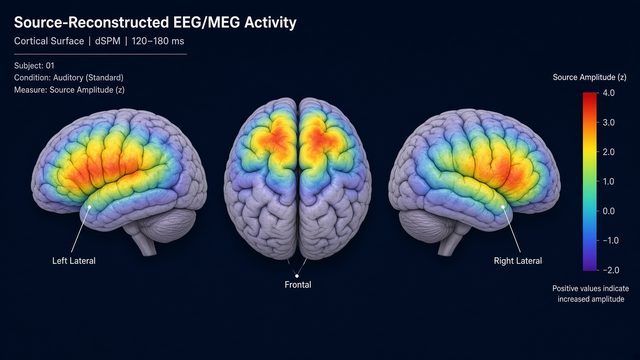
- Neurofeedback for performance: studies of alpha and SMR training in musicians, dancers and sharpshooters reported improvements in some performance measures, though many studies are small and not rigorously controlled.
Overall, the evidence supports biofeedback as a tool for managing stress and arousal, with performance gains likely resulting from improved self-regulation.
Techniques for learners
Pre-performance routine
Combine a consistent routine with breathing: for example, five minutes of resonance breathing before an exam or presentation, followed by a few positive self-statements and a brief mental rehearsal.
In-the-moment regulation
Use slow exhale-focused breathing, relaxing shoulders and jaw, and grounding attention on the task. Biofeedback training makes these cues easier to recall under stress.
Recovery
After intense study or practice, use relaxation and breathing to restore balance, which supports sleep and consolidation.
Attention training
Neurofeedback or mindfulness-based practices can train sustained attention, though evidence varies.
Visualization with feedback
Mental rehearsal combined with physiological monitoring helps align imagery with calm states.
Devices and apps
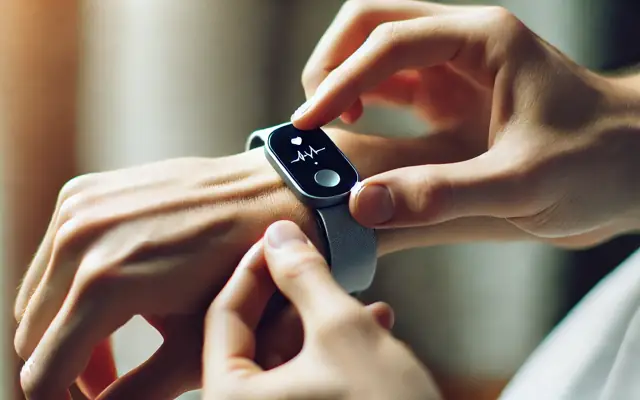
Options include chest-strap heart rate monitors paired with HRV apps, breathing pacers, wearable sensors, EMG devices and EEG headbands. Accuracy varies, and chest straps are more accurate than wrist optical sensors for HRV. Choose tools that provide clear, understandable feedback, and that are backed by transparent methods. A certified biofeedback practitioner (BCIA) can set up personalized training, particularly for performance anxiety or complex goals.
Building a training plan
1. Define your goal, such as staying calm during exams or sustaining concentration for two hours. 2. Measure baseline: resting HRV, breathing rate, and self-rated tension. 3. Learn core skills in a calm setting for two to four weeks, practicing daily. 4. Practice under mild stress, such as timed tests, then progressively more realistic conditions. 5. Develop a short routine you can use in minutes. 6. Evaluate performance and adjust, using self-ratings and objective results. 7. Maintain with regular practice.
Realistic expectations
Biofeedback will not replace studying or practice. It helps you access your skills under pressure and manage stress. Benefits build over weeks, vary among individuals, and are strongest when combined with sleep, exercise and effective study strategies. Beware of claims that devices will unlock "genius" or guarantee top grades.
Takeaway
Peak performance depends on skill, preparation and the right physiological state. Biofeedback is a practical way to train the third ingredient, helping learners stay calm, focused and ready.
Further reading from authoritative sources
- National Institute of Neurological Disorders and Stroke (NINDS)
- National Center for Complementary and Integrative Health (NCCIH)
This article is educational and does not replace advice from a licensed clinician. See the medical disclaimer. Looking for specialist care? Browse the neurology clinic directory.