Biofeedback for Chronic Pain: A Clinical Overview
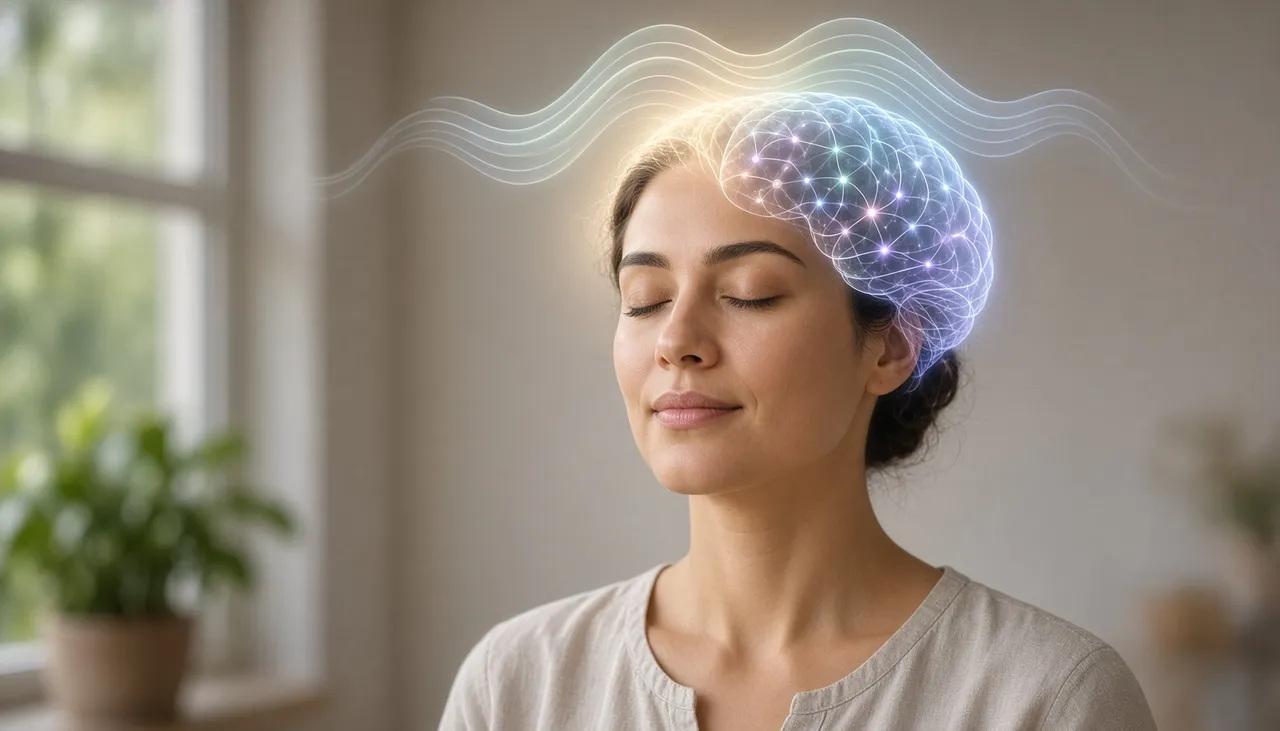
Chronic pain involves the nervous system, muscles and emotions together. Biofeedback teaches people to notice and change physiological signals that may feed pain, such as muscle tension, stress responses and breathing patterns. It is used in many pain clinics as part of comprehensive care.
How it may help
- Reducing muscle tension. Pain can lead to guarding and tension, which can then add to pain. Feedback helps people learn to release tension.
- Calming the stress response. Lowering sympathetic arousal may reduce pain amplification.
- Improving breathing. Slow diaphragmatic breathing activates parasympathetic responses.
- Building self-efficacy. Seeing control over body signals reduces helplessness and fear.
- Altering brain pain processing. Learning regulation may influence brain networks involved in pain, though this is under study.
Techniques
Surface EMG biofeedback
Electrodes over muscles, such as the neck, shoulders, jaw or low back, display muscle activity. Training aims to reduce excess tension and improve muscle balance and posture.
Thermal biofeedback
Finger temperature feedback guides relaxation. It is used for migraine, Raynaud's phenomenon and stress-related pain.
HRV biofeedback
Paced breathing training increases heart rate variability, and has been studied in fibromyalgia, chronic pain and related anxiety.
Skin conductance
It shows arousal and is used to teach relaxation and awareness.
Neurofeedback
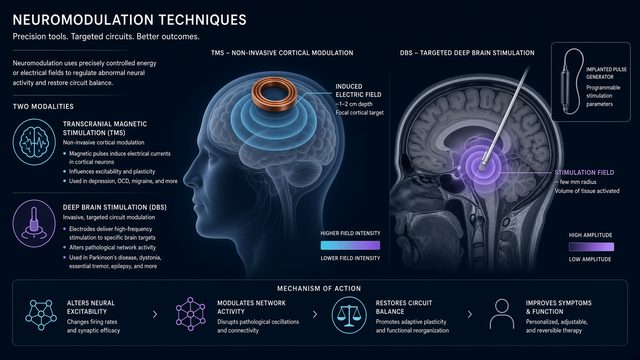
EEG-based training has been explored in fibromyalgia, chronic pain and spinal cord injury pain, with early positive results but limited evidence, requiring larger trials.
Pelvic floor biofeedback
Well-established for pelvic floor dysfunction, constipation and some forms of pelvic pain, by teaching muscle relaxation and coordination.
What evidence shows
- Headache and migraine: among the strongest evidence for biofeedback, reducing frequency and severity.
- Temporomandibular disorders: EMG biofeedback combined with relaxation reduces jaw pain and muscle tension.
- Low back pain: EMG and relaxation approaches show benefits in some studies, though results are mixed.
- Fibromyalgia: trials suggest modest improvements in pain, fatigue and function, particularly for HRV and EMG biofeedback combined with other approaches.
- Other conditions: possible benefits are reported for neck pain, irritable bowel syndrome and certain neuropathic pains, with varying quality of evidence.
Reviews generally conclude that biofeedback can be a helpful component of pain management, with effects similar in size to other behavioral therapies. Studies are often small, and blinding is difficult.
What a program looks like
1. Assessment of pain history, medical status and psychological factors 2. Baseline measurement of physiological signals 3. Training sessions, usually weekly for six to twelve weeks 4. Home practice with relaxation and breathing, sometimes with portable devices 5. Generalization into daily activities 6. Review of progress, with goals based on function
Combining with other care
Biofeedback works best alongside exercise, cognitive behavioral therapy, medications as needed and sleep care. It should not replace evaluation of serious conditions, and you should not stop prescribed treatments without discussing it with your clinician.
Safety
It is generally very safe. Because it requires active participation, those with severe cognitive impairment may find it difficult. People with pacemakers should tell the clinician before using electrical sensors, though standard biofeedback sensors are passive recorders.
Finding a practitioner
Look for licensed healthcare professionals with training in biofeedback, such as psychologists, physical therapists, physicians and nurses, and consider certification from the Biofeedback Certification International Alliance. Ask about experience with your type of pain, expected number of sessions and costs, and how progress will be measured.
Bottom line
For many people with chronic pain, biofeedback offers a tool to regain a sense of control. Combined with active rehabilitation and psychological support, it can contribute to meaningful improvements.
Further reading from authoritative sources
- National Institute of Neurological Disorders and Stroke (NINDS)
- National Institute on Aging (NIA)
- National Center for Complementary and Integrative Health (NCCIH)
This article is educational and does not replace advice from a licensed clinician. See the medical disclaimer. Looking for specialist care? Browse the neurology clinic directory.