Biofeedback for Migraine and Headache Relief
Biofeedback has a longer history in headache care than in almost any other area. For decades, clinicians have used it to help people with migraine and tension-type headache reduce how often they get headaches and how severe they are. Because it is drug-free and has few side effects, it is attractive to many patients, including those who cannot tolerate medications.
How it may work
Researchers do not know exactly why biofeedback helps. Proposed mechanisms include:
- Reducing sympathetic arousal and stress reactivity, which may lower sensitivity to triggers
- Releasing muscle tension in the head, neck and shoulders, which is a common feature of tension-type headache
- Enhancing a sense of control, which helps with anxiety and the fear of attacks
- Altering brain responses to pain and sensory input
Nonspecific effects, such as relaxation, attention and expectation, probably contribute as well.
Types of biofeedback used
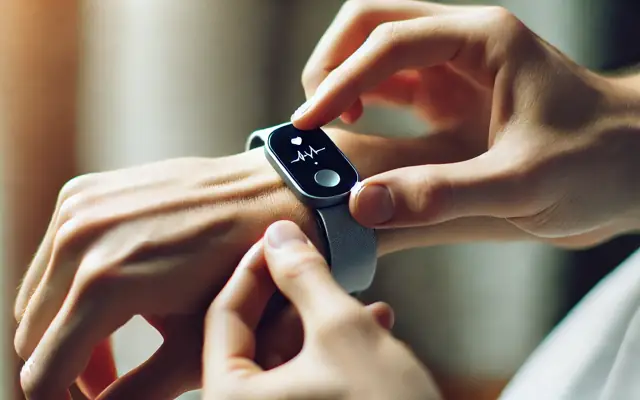
Thermal (temperature) biofeedback
A small sensor on a finger measures skin temperature. People learn to warm their hands using relaxation and imagery. The technique is widely used for migraine and appears to relate to reducing sympathetic nervous system activity.
EMG biofeedback
Sensors on the forehead, neck or shoulders show muscle activity. The person practices relaxing those muscles, which is particularly useful for tension-type headache.
Heart rate variability and breathing
Paced breathing with HRV feedback reduces arousal and has been studied in migraine.
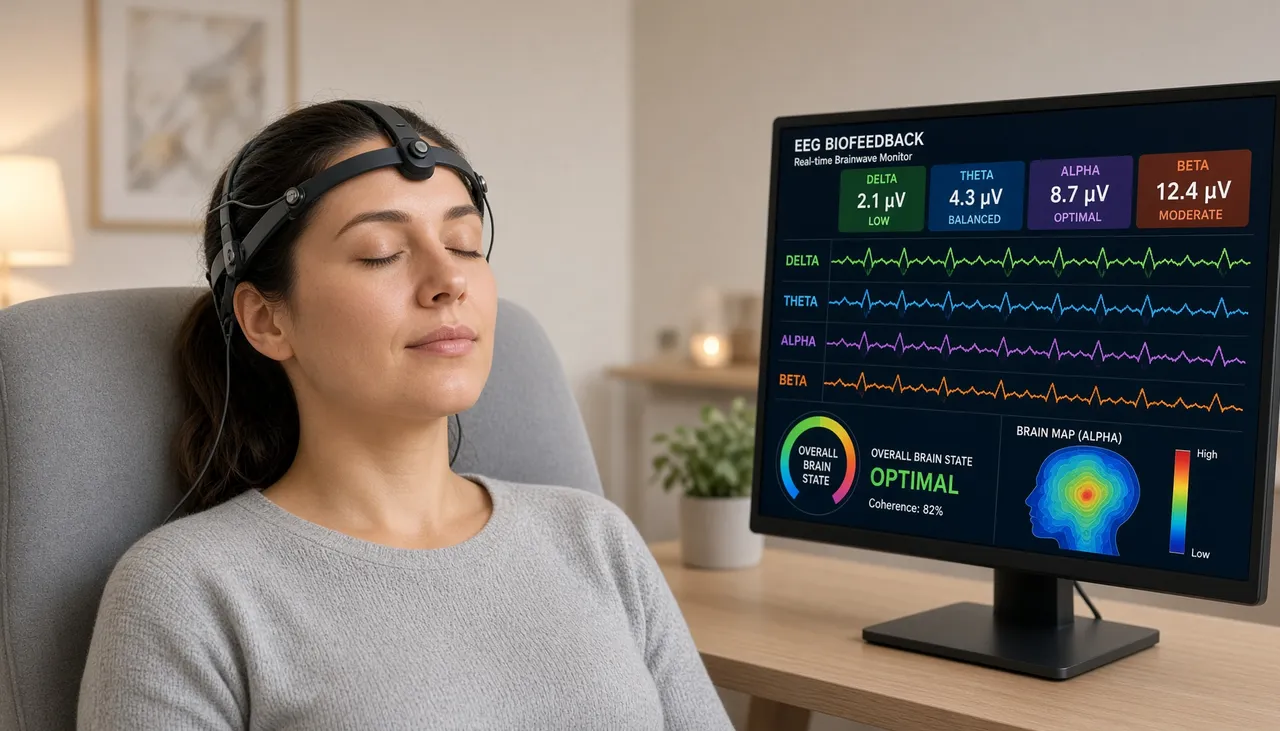
Neurofeedback
Some studies have tested EEG-based training for migraine, such as slow cortical potentials. Evidence is still limited.
What the evidence says
Reviews and guidelines have found that biofeedback, often combined with relaxation training, can reduce headache frequency in people with migraine and tension-type headache by a clinically meaningful amount on average. Earlier guidelines from headache and neurology organizations rated behavioral treatments including biofeedback as effective options for migraine prevention. Biofeedback seems to work in children and adolescents too, and can be particularly appealing for young people and for pregnant women who want to avoid medication.
Benefits tend to be modest to moderate and vary by person. Studies differ in quality, and it is difficult to blind participants to the treatment. As with other behavioral therapies, effects usually take several weeks of practice.
What a program looks like
1. Evaluation. A clinician reviews your headache history and diagnoses. Medical causes should be addressed first. 2. Diary. You track headaches, triggers and medications. 3. Training. Sessions, typically weekly for eight to twelve weeks, teach relaxation and show your signals on a screen. 4. Home practice. You practice daily, often with a handheld temperature sensor or app. 5. Review and maintenance. The goal is to use the skills without equipment.
Using it alongside other treatments
Biofeedback works well combined with medication, lifestyle changes and other behavioral approaches. Do not stop preventive or acute medication without consulting your physician. Combining it with regular sleep, meals, hydration and exercise adds benefit.
Tips for success
- Be consistent. Daily practice matters more than session length.
- Practice when you are not in pain, then use the skill at early warning signs.
- Be patient. Improvements usually build over weeks.
- Keep a diary to see progress.
- Do not strain. Relaxation works best when it is passive.
When to see a doctor
New, worsening or unusual headaches should be evaluated. Seek urgent care for sudden severe headache, headache with neurological symptoms, fever with stiff neck or headache after head injury.
Finding a practitioner
Look for licensed clinicians with training or certification in biofeedback, ideally with experience in headache. Some headache clinics and pain programs offer it. Ask how they will measure your progress.
Further reading from authoritative sources
- National Institute of Neurological Disorders and Stroke (NINDS)
- National Institute on Aging (NIA)
- National Center for Complementary and Integrative Health (NCCIH)
This article is educational and does not replace advice from a licensed clinician. See the medical disclaimer. Looking for specialist care? Browse the neurology clinic directory.