Neurofeedback for ADHD: What the Evidence Says
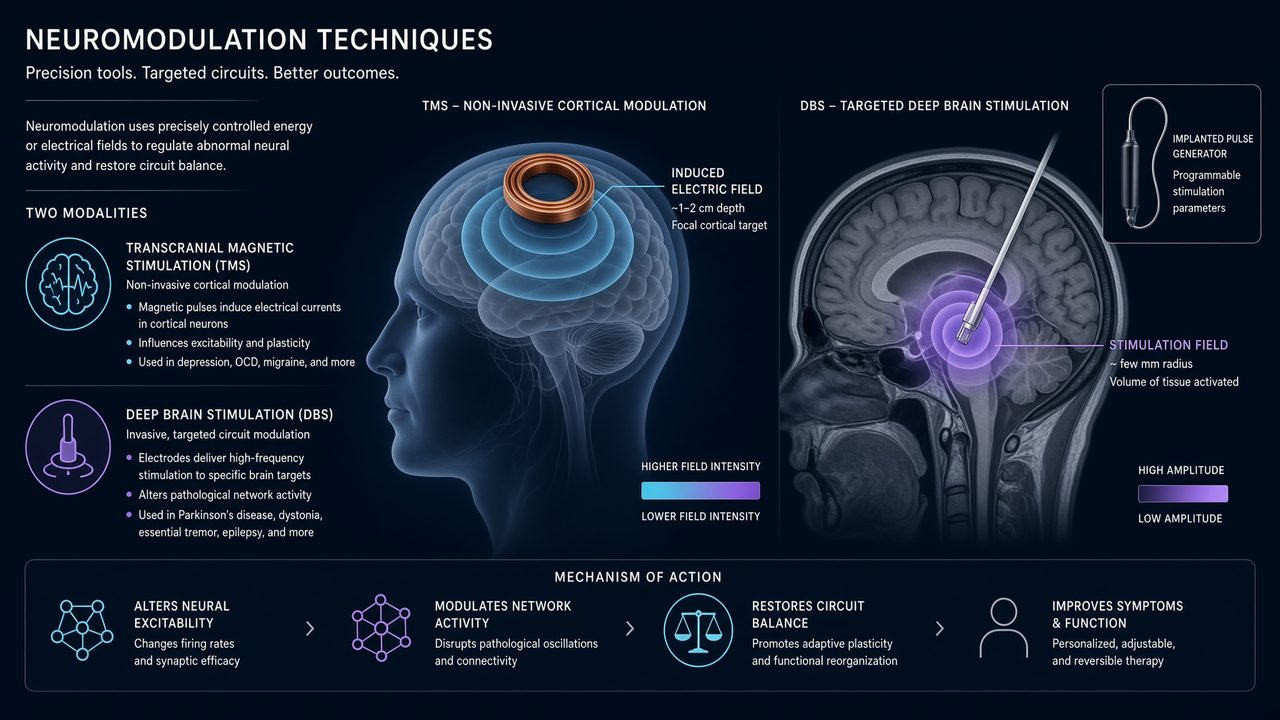
Neurofeedback is a form of biofeedback in which a person sees real-time displays of their electroencephalogram, and learns to shift certain patterns, usually through games or video that respond to brain activity. It is widely offered for attention-deficit/hyperactivity disorder, and the evidence is debated.
How it works
Protocols commonly train children to reduce theta activity and increase beta activity, or to regulate slow cortical potentials, based on observations that some people with ADHD show higher theta and lower beta in some regions. Sensors are placed on the scalp, and the child receives rewards when brain activity moves in the target direction. Treatment typically involves 20 to 40 sessions over weeks or months. The proposed mechanism is operant conditioning of brain activity, strengthening self-regulation circuits.
What studies show
- Early positive findings: Meta-analyses found moderate to large reductions in symptoms rated by parents, who knew their child was receiving treatment, as in reviews by Martijn Arns and colleagues in 2009, which concluded that neurofeedback was efficacious and specific.
- Better-controlled trials: A multicenter randomized trial in Europe led by Hanna Christiansen, Daniel Brandeis and colleagues compared neurofeedback with a control, and a meta-analysis by Samuele Cortese and the European ADHD Guidelines Group in 2016 found that when only probably blinded assessments, such as teacher ratings, were considered, effects on ADHD symptoms were not significant. A sham-controlled trial from the Neurofeedback Collaborative Group in the United States, published in 2020, also found no clear advantage of active over sham neurofeedback. Some researchers suggest that nonspecific factors, such as attention, expectation and a structured routine, produce much of the benefit.
- Long-term effects: some studies report maintained gains at follow-up, but without blinded sham comparisons their meaning is uncertain.
- Slow cortical potential training and other protocols: results have been mixed.
Safety
Neurofeedback is generally safe. Side effects are rare, and can include headaches, fatigue or irritability. The main risks are cost, time and delays in effective treatment.
Cost and access
Courses of neurofeedback often cost thousands of dollars and are rarely covered by insurance. Home devices vary in quality.
How it compares
Medication, such as stimulants, has stronger evidence and larger effects. Behavioral parent training and school interventions are effective for children. Exercise, sleep and diet support all children. The American Academy of Pediatrics rates neurofeedback as having level 1 or 2 evidence in some of its assessments, but does not include it among first-line recommended treatments, and European guidelines judge the evidence as insufficient.
If you are considering it
- Start with a thorough evaluation and proven treatments
- Ask providers about credentials, such as board certification in neurofeedback through Biofeedback Certification International Alliance, and about protocols and evidence
- Be skeptical of promises of cure, or of long, expensive packages paid in advance
- Track symptoms with standardized scales, with input from teachers
- Consider participation in a well-designed clinical trial
Takeaway
Neurofeedback is a promising idea with unsettled evidence for ADHD. Make it an add-on, not a substitute, and stay critical.
Further reading from authoritative sources
- National Institute of Neurological Disorders and Stroke (NINDS)
- National Institute on Aging (NIA)
- National Center for Complementary and Integrative Health (NCCIH)
This article is educational and does not replace advice from a licensed clinician. See the medical disclaimer. Looking for specialist care? Browse the neurology clinic directory.