Biofeedback for Epilepsy: Seizure Management Support
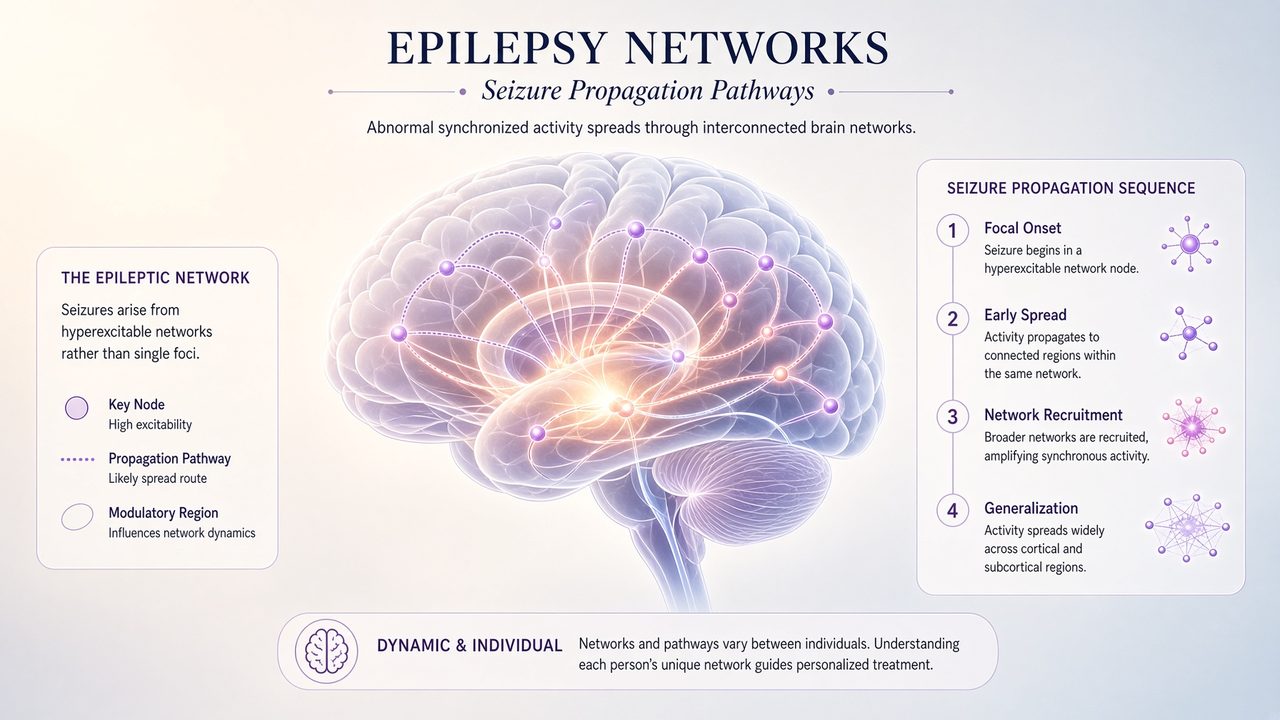
Epilepsy is a condition of recurrent seizures, and medication and other medical treatments are the foundation of care. Some people also use biofeedback-based approaches to manage stress, triggers and, in some research, seizure frequency.
Types of biofeedback studied
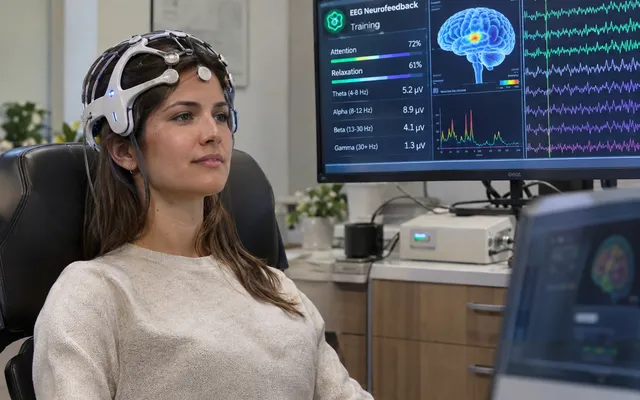
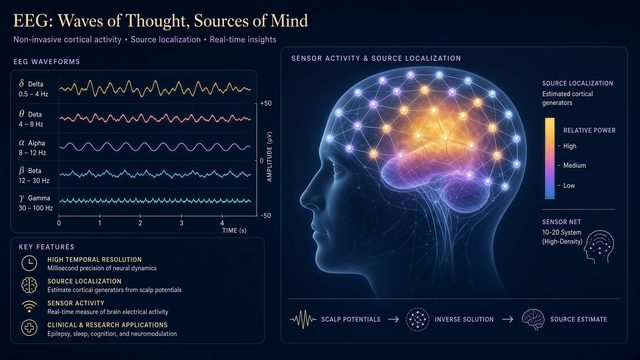
- EEG neurofeedback: the pioneer work of Barry Sterman in the 1970s found that training cats, and later people, to increase sensorimotor rhythm, a 12 to 15 hertz brain rhythm over sensorimotor cortex, was associated with fewer seizures. Later studies trained sensorimotor rhythm or slow cortical potentials in people with drug-resistant epilepsy. A meta-analysis by Tan and colleagues in 2009 and a Cochrane-style review found that many studies reported reduced seizure frequency, but trials were small and often not blinded or well controlled, so effects may be overestimated.
- Slow cortical potential training: work by Niels Birbaumer and Boris Kotchoubey in Germany found reductions in seizures in some patients with drug-resistant epilepsy.
- Electrodermal biofeedback and skin conductance training: Work by Yvonne Nagai and colleagues in the United Kingdom, using galvanic skin response biofeedback to teach people with drug-resistant temporal lobe epilepsy to increase skin conductance, a measure of arousal, found reductions in seizure frequency in small trials, with brain imaging showing effects on the amygdala-related networks.
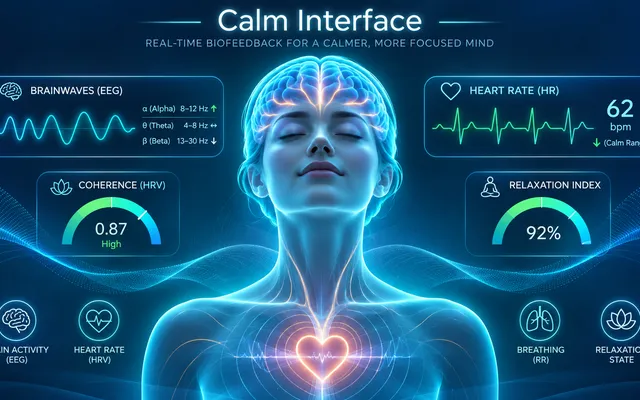
- Heart rate variability biofeedback and relaxation: to reduce stress, a common seizure trigger for some people
- Psychological approaches: behavioral self-management programs, such as the MOSES and HOBSCOTCH programs, cognitive behavioral therapy, mindfulness and education improve quality of life and coping
What the evidence means
Randomized trials suggest that neurofeedback may reduce seizure frequency for some people with difficult-to-control epilepsy, but quality is limited, and guidelines do not recommend it as standard treatment. The American Epilepsy Society and others note that more research is needed. Reductions in stress and improvements in mood and confidence are plausible benefits.
Safety and cautions
- Never stop or reduce anti-seizure medication because of biofeedback.
- Inform your neurologist before starting, and keep regular follow-up.
- Seizure risk: some protocols and flashing displays could theoretically provoke seizures in sensitive individuals, so providers should be experienced in epilepsy and avoid photic stimuli. Sessions should be supervised.
- Choose qualified providers, with experience in epilepsy, and be cautious of promises of cure.
- Cost and time commitment
Complementary self-management
- Take medications consistently
- Maintain regular sleep
- Identify triggers, such as stress, missed medication, alcohol, flashing lights for photosensitive epilepsy, and illness, using a seizure diary
- Use stress reduction: relaxation, paced breathing, exercise and counseling
- Have a seizure action plan and share it with family, school or workplace
- Seek emotional support: depression and anxiety are common in epilepsy
When to seek urgent care
Call emergency services for a seizure lasting longer than five minutes, repeated seizures without recovery, injury, breathing trouble, or a first seizure.
Research directions
Ongoing studies are testing larger, blinded trials of neurofeedback and skin conductance training, closed-loop approaches that respond to early warning signs, and wearable devices that detect arousal changes before seizures. Until such studies report, biofeedback remains an experimental add-on, and participation in a registered trial is the safest way to try newer methods.
Talking with your care team
Bring this article's questions to your neurologist: Is biofeedback appropriate for my seizure type? Are there local providers with epilepsy experience? How will we measure whether it helps?
Takeaway
Biofeedback may add to seizure self-management for some people. Keep it alongside, not instead of, proven medical care.
Further reading from authoritative sources
- National Institute of Neurological Disorders and Stroke (NINDS)
- National Institute on Aging (NIA)
- National Center for Complementary and Integrative Health (NCCIH)
This article is educational and does not replace advice from a licensed clinician. See the medical disclaimer. Looking for specialist care? Browse the neurology clinic directory.