Pelvic Floor Biofeedback: Mind-Body Control
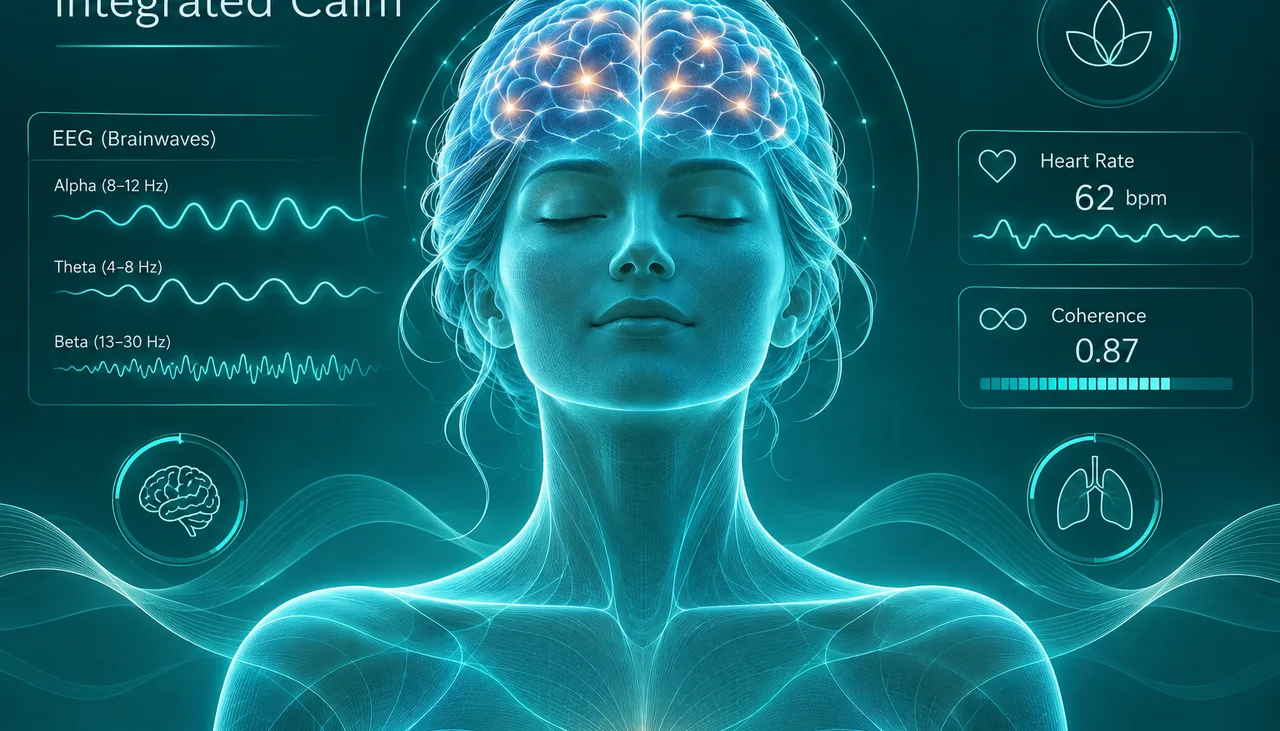
The pelvic floor is a group of muscles that support the bladder, bowel and reproductive organs, and they are controlled partly voluntarily and partly automatically by the nervous system. When coordination fails, people may experience urinary or fecal incontinence, constipation, pain or difficulty with sexual function. Biofeedback is a leading, evidence-based way to retrain these muscles.
The brain and pelvic floor
Control of continence involves brain regions including the prefrontal cortex, anterior cingulate, insula, and the pontine micturition center in the brainstem, along with spinal pathways and nerves. People often have difficulty knowing whether they are contracting or relaxing the right muscles, and some inadvertently bear down when trying to squeeze. Neurological conditions such as stroke, Parkinson's disease, multiple sclerosis and spinal cord injury can disrupt pelvic floor control and bladder and bowel function.
How biofeedback works
A small sensor, either a probe placed in the vagina or rectum, or surface electrodes on the skin near the area, measures muscle activity or pressure. A screen shows the signal in real time, so you can see when you contract or relax correctly. A therapist, often a specially trained physical therapist or nurse, coaches technique, breathing and posture. Sessions typically last 30 to 60 minutes, weekly or every other week for several sessions, with daily home practice. Home devices may be used for follow-up.

Conditions
- Urinary incontinence: stress incontinence, urge incontinence and mixed types. Pelvic floor muscle training with biofeedback improves continence for many women, and men after prostate surgery, according to systematic reviews, though some trials find that biofeedback adds only a small advantage over well-taught exercises alone.
- Fecal incontinence: biofeedback improves symptoms in many patients, and guidelines recommend it. Trials have found biofeedback-assisted training more effective than exercises alone in some patients.
- Constipation due to dyssynergic defecation: a condition in which the pelvic floor muscles fail to relax during defecation. Biofeedback is the treatment of choice, and trials, including work by Satish Rao and colleagues, showed benefit exceeding that of sham therapy or laxatives. A systematic review supports success rates around 70 percent in selected patients.
- Pelvic pain and pelvic floor tension: biofeedback to teach relaxation, with limited evidence
- Overactive bladder and urinary retention: coordination training
- Sexual dysfunction: pelvic floor retraining in some cases
- Postpartum and prostate surgery recovery
Benefits and safety
Biofeedback is noninvasive, drug-free and has few side effects, though some people find internal sensors uncomfortable or embarrassing, and surface sensors are alternatives. It teaches skills that last.
What to expect and how to prepare
Your clinician takes a history and examination, rules out other causes, and may recommend bladder or bowel diaries. Wear comfortable clothing, ask about privacy and comfort, and be open about symptoms. Daily practice is critical. Give it time, as improvement often takes weeks.
When to seek help
See a doctor for urinary or bowel leakage, pain, blood in urine or stool, or sudden changes, to exclude serious causes. Incontinence is common and treatable, and there is no need to feel ashamed.
Takeaway
Pelvic floor biofeedback helps the brain and muscles work together. For many people it restores control and confidence.
Further reading from authoritative sources
- National Institute of Neurological Disorders and Stroke (NINDS)
- National Institute on Aging (NIA)
- National Center for Complementary and Integrative Health (NCCIH)
This article is educational and does not replace advice from a licensed clinician. See the medical disclaimer. Looking for specialist care? Browse the neurology clinic directory.